t. 845-278-6738
f. 845-278-6761
e. putnam@cornell.edu
w. cceputnamcounty.org
Cornell Cooperative Extension
Putnam County

Is Your Pollinator Garden Messy? "Cues to Care" Can Help
by Erika West, Master Gardener Volunteer, Putnam Pollinator Pathway
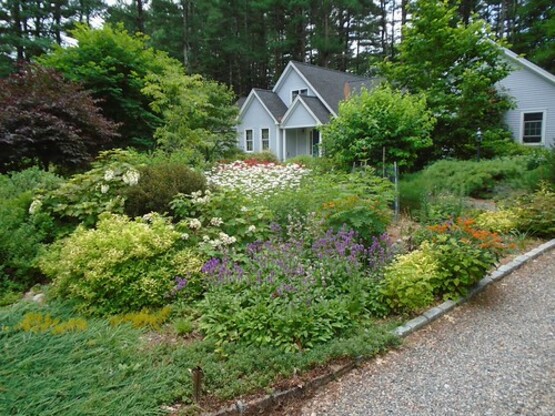
Perhaps you have created the garden of a bee’s dream. You’ve filled your garden with natives, sought out straight species, embraced the “weeds”, and ensured a beautiful sequence of blooms spring to fall. Perhaps you have left the leaves on your lawn and garden beds in the fall to protect overwintering bees, butterflies and other beneficial insects. Your garden is buzzing and humming with life. Success!
There is only one problem: your neighbors don’t share your enthusiasm for the habitat you’ve created.
“Messy”, “unkempt”, “weedy”: these are words often used to describe ecologically forward gardens. Cultural norms have long dictated expansive lawns, clipped hedges, and perennials carefully dotted throughout the front bed. Despite the growing popularity of naturalistic gardens, landscapes outside the norm are often judged harshly. The perception that your property is neglected can have real consequences: visits from the town, fines from your homeowners’ association, demands you clean up your space. So, what can an ecologically minded gardener do? The answer may lie in addressing the chief misperception that you don’t take care of your property.
“Cues to care” are landscape elements that communicate intent and care of a landscape. They are hints to neighbors and passersby that your garden is intentional and meets cultural expectations for management. The concept was first written about by professor and landscape architect Joan Iverson Nassauer in an essay entitled “Messy EcoSystems, Orderly Frames” (1998). Nassauer’s research indicates people view landscapes through the lens of neatness and order. While calls to reexamine our notions of beauty and embrace ecological “mess” are growing, there remains a perceptual divide between traditional and ecological. To bridge the gap, Nassauer recommends incorporating familiar elements from traditional landscaping into non-traditional landscapes.
Since Nassauer coined the term, “cues to care” have been embraced and expanded upon within the horticultural and ecological communities. Read on for some of the tried-and-true elements; take what you like, leave what you don’t. We hope this two-part series inspires you to carry on and perhaps find your own way to translate your landscape into an understandable language for the public.
PART ONE: Basic Design Elements
Frame the View
Mowing:
Given society’s proclivity for expansive lawns, mowing is king in communicating care of a landscape. Incorporate this cue by: 1) mowing paths through meadows, and 2) mowing borders around natural-looking areas. Mowing is inviting and evident of human presence. Mowed borders are especially important for creating separation from walkways and roadways. Plants spilling into these areas may create uncomfortable plant or animal interactions for passersby and contribute to hazardous situations due to limited visibility of cars, pedestrians, and wildlife crossing. Further, mowed borders have a similar effect to the frame of a painting: they protect, enhance, and communicate value.
Crisp Edges:
Maintaining a crisp edge between lawn and garden will also have this effect. A shovel, half-moon edger, electric edger, or even a string trimmer can all help achieve the neat, orderly, distinction of spaces that people find culturally attractive.
Create a Sense of Welcome
Pathways:
Let people know your landscape is open to humans as well as wildlife. Create pathways of mown grass, stone or mulch.
Structural Cues:
Arbors, trellises, and benches demonstrate this is a place for humans to explore, rest, and reflect.
Wildlife feeders, houses and birdbaths are easily recognizable elements of intent that help cue plantings as wildlife habitat not weeds. Furthermore, studies show people appreciate songbirds and efforts to support them (Messy Ecosystems, Orderly Frames, 1998).
Foundation Plantings:
Second only to lawns, foundation plantings are a well-known cultural expectation for home landscapes. A well-executed foundation planting adds to the overall perception of your property, allowing natural areas to fit within a greater scheme of care. Cultural expectations dictate plantings should cover the foundation but not obscure windows or doors. Keeping shrubs trimmed and planting in rows or linear designs can further communicate intent and care.
Use Bold Patterns
Nassauer’s research and the success of public gardens like New York City’s Highline and Chicago’s Lurie Garden point to the appeal of bold patterns in a landscape. Limiting and grouping plant species in large blocks or drifts that repeat throughout your landscape enhances “readability” - or the ease with which viewers take in and interpret your landscape. It’s a simple and visually restful style with the “wow” factor that comes from large sweeps of color.
If you’re gardening in a smaller space or you desire greater plant mingling and species diversity than large blocks and drifts would allow, consider limiting your color scheme or emphasizing plant structure and form over color. Smaller, repeating patterns are still great for communicating intent and with less color, they feel less jumbled or overwhelming. There’s also no reason you can’t combine both block and intermingling.
What’s more, these planting styles aren't just appealing to humans. Pollinators are also drawn to flowers planted “en masse”. Massed plants are easier for pollinators to find and provide efficient foraging. Many bee species, for example, only collect and use pollen from one flower type at a time - a behavior essential for pollination. Multiples of a single plant type allow these pollinators to collect more food at once and conserve energy by reducing trips to the nest. It also ensures that caterpillars hosting on a plant have enough to eat and may result in more leaves that aren’t chewed and ragged-looking.
Consider Size and Scale
Sky-high perennials, colonies of dense shrubs, and obstructed views can be intimidating. To bring a sense of safety and the picturesque to your garden, consider keeping plant height in check. Low to medium varieties and rounded forms read as neat and are easy to incorporate in most landscapes.
You might also consider the scale of plants as they relate to the size of your garden bed and to each other. Plantings that overwhelm your bed or drastically vary in height may read as messy, unplanned, and out of balance. To keep scale in check, consider these tips from professional landscape designers: 1) choose plants whose mature height are no more than half the bed width, 2) keep plants within 1/3 the height of plants in their immediate vicinity, 3) keep the average perennial height at 18-24 inches and, if you want architectural drama, include pops of plants at greater heights repeating throughout your space.
Add Signs
Let observers know your garden’s purpose with a “Putnam Pollinator Pathway” or other habitat sign. When a garden is in its infancy or going through a transition, signs can be especially useful for communicating intent. They also open the door to conversation, offering opportunities to educate and inspire other homeowners on the importance of native plants and habitats.
PART TWO: The Plants
Add Familiar Plants:
The good news is native plants are more accessible than ever; the bad news is many, especially those with small flowers, are often mistaken for weeds. In highly visible areas, consider including flowering plants found in more traditional landscapes or showy native cultivars to help communicate intent in your planting. Carefully chosen non-natives can be resilient, functional and attract your neighbors’ attention and understanding through their recognizability and familiarity.
For the biggest effect, plan your garden to always have something in bloom. It’s not only good for pollinators, but Nassauer’s research found that when ecological “restorations or gardens include an ‘unnaturally high’ proportion of plants with larger, brighter, flowers, at least in the first few seasons, people are more likely to find them attractive” (Messy Ecosystems, Orderly Frames, 1998). If you’re just starting your garden, try filling in gaps with colorful annuals. As perennials, trees and shrubs grow and take up more space, they’ll shade and outcompete the annual re-seeders.
And, don’t snooze on flowering trees—not only are native trees vital to pollinators, as “compared with shrubs or grasses, people are more likely to immediately appreciate trees” (Messy Ecosystems, Orderly Frames, 1998).
Take Control of Problematic Plants:
Get rid of plants that require too much maintenance—or relegate them to areas out of sight. These are plants that don’t perform well, get too tall, flop in paths or aggressively outcompete other plants thereby reducing legibility.
If you don’t want to relocate or be rid of your more wild plants, try taming them with staking or the “Chelsea Chop.” The Chelsea Chop is a pruning technique whereby you reduce the height of perennials by 1/3 - 1/2 to keep them from growing too tall, becoming floppy or to derive other benefits such as increased fullness or delayed flowering. Named after England’s Chelsea Flower Show, this technique is typically used before the end of May to allow enough time for regrowth and bloom. It works best on tall, late summer or autumn flowering perennials like asters, monarda and coneflowers and is not successful for all perennials. In essence, pinching back your plants in this way simulates animal browse that occurs in unmanaged landscapes. Before giving your plants the chop, be sure to do some research to see if yours are a good fit for this technique.
Alternatively, planting densely and surrounding floppy plants with more structured ones creates built-in support to keep plants upright. Landscape designers will often disregard spacing suggestions on plant tags, instead opting to plant on 12-inch centers. This technique covers bare ground more quickly (thereby crowding out weeds), looks more natural and increases competition for water, nutrients and space thereby keeping plants shorter. Planting perennial grasses (not turf grass) can also help achieve this goal as they can provide structural support and use up excess nitrogen.
Avoid “Cues of Neglect”:
In addition to removing or managing problematic plants, avoid other obvious “cues of neglect” (Benjamin Vogt, Prairie Up) by keeping up with home and hardscape maintenance. Peeling paint, broken benches, perennially empty bird feeders, holes in your plantings, can contribute to confusion about your landscape. Do you need to be perfect? No, and in some contexts, the worn, lived-in feeling of old and not-perfectly-maintained structures can add character, history or simply be realistic to life. If you’re struggling with perceptions about your property though, it might be worth considering whether and what you can do to achieve more balance.
Think about Winter: In ecological gardening, perennials and grasses remain standing until spring to allow overwintering habitat for beneficial insects and other creatures. To improve winter aesthetics, consider the form plants will take when it gets cold and wet. For example, coneflower stems will stay upright with attractive seed heads and moss phlox will remain evergreen, whereas hostas will collapse too much. Plan to incorporate a mix of plants that stand up to the elements and continue to provide visual interest throughout their lifecycle.
Alternatively, do as the Lurie Garden in Chicago does and create “stem nesting zones” instead of leaving the whole of your garden standing. This may help bridge the cultural divide between the ecological and the cultural norm of cutting gardens back in fall.
Have a Maintenance Plan:
Be realistic about upkeep, plant densely so you don't have to mulch every year and use ground covers to fill gaps and crowd out weeds. Be mindful of each plant’s requirements and use ones that have similar maintenance needs. If you mix in species that need special treatment—more watering, more pruning, or no pruning when everything else needs cut back— you’re going to have more work to do.
References:
https://www.jstor.org/stable/43324192?read-now=1&...
https://www.sciencedirect.com/science/article/pii...
https://seas.umich.edu/news/landscapes-can-talk
https://gardeningsolutions.ifas.ufl.edu/care/flor...
https://www.thenatureofcities.com/2018/08/24/cues...
https://www.humanegardener.com/wild-design-home-g...
https://www.monarchgard.com/thedeepmiddle/simple-...
“Planting in a Post-Wild World: Designing Plant Communities for Resilient Landscapes,” Thomas Rainer and Claudia West
“Nature's Best Hope: A New Approach to Conservation That Starts in Your Yard” (2019), Doug Tallamy
Dyck Arboretum of the Plains, Youtube
Photo by Neal Sanders, Medfield, Mass., landscape designed by Betty Sanders using 90-95 percent native plants.