Happenings December 2025

December 2025
Help Us Grow with an End-of-Year Gift
Happy holidays from Cornell Cooperative Extension! In this season of giving, here are some quick reminders to help ensure your charitable gifts are deductible for 2025.
Mind the Deadline
First, keep in mind that your gift must be made online, USPS postmarked, or received by December 31 to be eligible for tax credit for the 2025 calendar year.
Giving online or in-person by the deadline is straightforward, but sending a check by mail can be a little unclear. You might think using a courier service like would be the surest way, but actually, the US Postal Service is! The USPS postmark date on the envelope counts as the date the gift was received.
Your Partnership Matters
As we usher in the year-end festivities, the time couldn't be more right to discuss our Build a Dream Capital Campaign's progression. Our campaign to raise funds to build the Cornell Barn at Tilly Foster Farm is well underway. We are thrilled about the strides made, and yet, are keenly aware of the miles left to journey.
The Cornell Barn at Tilly Foster Farm - A Vision Coming to Life!
Construction at Tilly Foster Farm is moving fast — but we’ve hit the most critical moment of the entire project. We must close the final funding gap now to keep the Cornell Barn on schedule and fully equipped for opening day. Without immediate support, we risk delays and rising costs. With your help, we cross the finish line.
Your year-end gift will:
- Prevent construction delays
- Ensure classrooms and labs are fully equipped
- Strengthen youth, agriculture and community programs
Please make your tax-deductible gift today: CCE Putnam County, 1 Geneva Road, Brewster, NY 10509
How beautiful it is to hold the power to catalyze a transformation where lifelong education strengthens families, communities and enhances Putnam’s environment.
Ways to Give
- Online: Visit our donation page here and be a part of the difference we are striving to create.
- By Check: Checks should be made payable to Cornell Cooperative Extension Putnam County and mailed to our office at 1 Geneva Road, Brewster, NY 10509.
Please seek the advice of your own financial or legal advisor. Cornell Cooperative Extension Putnam County is a 501(c)(3) non-profit educational organization (TIN: 14-6036878). Gifts are considered tax-deductible to the extent allowable by the IRS.
This is the moment. Your gift now makes all the difference!
Get ready to ring in the New Year knowing that your contribution has paved the way for a brighter, educated, and engaged future. Let's continue this incredible journey, and here's to many more fruitful years of making a difference!
Thank You!
Happy holidays and warm wishes for 2026!
Bears and Bird Feeding: The Dos and Don'ts
from Jennifer Lerner, Senior Resource Educator, and NYS Department of Environmental Conservation
Bear vs Bird Feeder by CCE Putnam
Increasingly we get reports of black bears trashing birdfeeders, barbecues, and garbage cans. As we promote Project Feeder Watch and the Great Backyard Bird Count, we thought it wise to address some bear vs bird feeder concerns.
Once unheard of in Putnam County, black bear populations are expanding from surrounding mountain areas. Young bears strike out to find new territory, sometimes in our neighborhoods. If bears don’t find suitable food and habitat they move on. But if they can scrape out a living—and they eat a wide variety of foods—they stick around our suburban backyards. This means more bear interactions with humans. As bears become habituated to food sources around our homes they become “nuisance” bears. A nuisance bear often ends up a dead bear.
Even when relocated, nuisance bears will usually travel great distances to get back to their territory and once again find the food sources they have grown accustomed to. The best tactic is preventing them from finding food sources around our homes. It may go without saying but say we must: Never Feed or Approach Bears! That means even unintentional feeding from garbage cans, grills and bird feeders. Once habituated to humans, a bear learns to overcome its instinctive fear of them. In essence, feeding bears “rewards” bears for approaching people in the same way a treat rewards a dog for coming on command.
To keep these beautiful animals, you, and your pets safe, here are some tips from NYS DEC:
Use bird feeders seasonally: remove bird feeders by April 1st and resume feeding only in late fall/early winter. Clean up any spilled seeds. Due to climate change bears are going into hibernation later in the season and not going in as deeply.
Store garbage securely: Keep garbage inside a sturdy building and put it out for collection on the morning of pick-up, not the night before. Use bear-resistant containers if possible.
Feed pets indoors: Store pet and livestock food indoors and feed pets inside to avoid attracting bears. (This will also help you reduce house pet and wildlife interactions)
Clean grills: Clean barbeque grills before nightfall to remove any residual food or grease.
Secure all attractants: Store birdseed and other food items inside a secure building.
Report nuisance bears: If you see a nuisance bear, report it to the DEC immediately. NYS DEC Wildlife Division 518-402-8883.
More reading
Learn more at BearWise New York: https://dec.ny.gov/nature/animals-fish-plants/bla...
And Why Bird Feed Can Be a ‘Gateway Food’ for Bears from Audubon Magazine: https://www.audubon.org/magazine/why-bird-feed-ca...
Bug of the Month: The Hoverfly
by Janis Butler, Master Gardener Volunteer
As we approach winter, your trees may be suffering. But you may not know until it dies next spring!
By now you may have heard or read about the importance of leaving leaves alone in fall. You might know that in any square yard of leaf litter there are hundreds of thousands of living creatures, most too small to see. All of them doing their best to survive winter and, in the process, turning leaf litter into humus and providing food (namely themselves) for other hungry strivers further up the food chain.
Who exactly are these critters and why should we care about saving them from the deadly black plastic bag or leaf blower? Let’s look at just one, the syrphid or hoverfly.
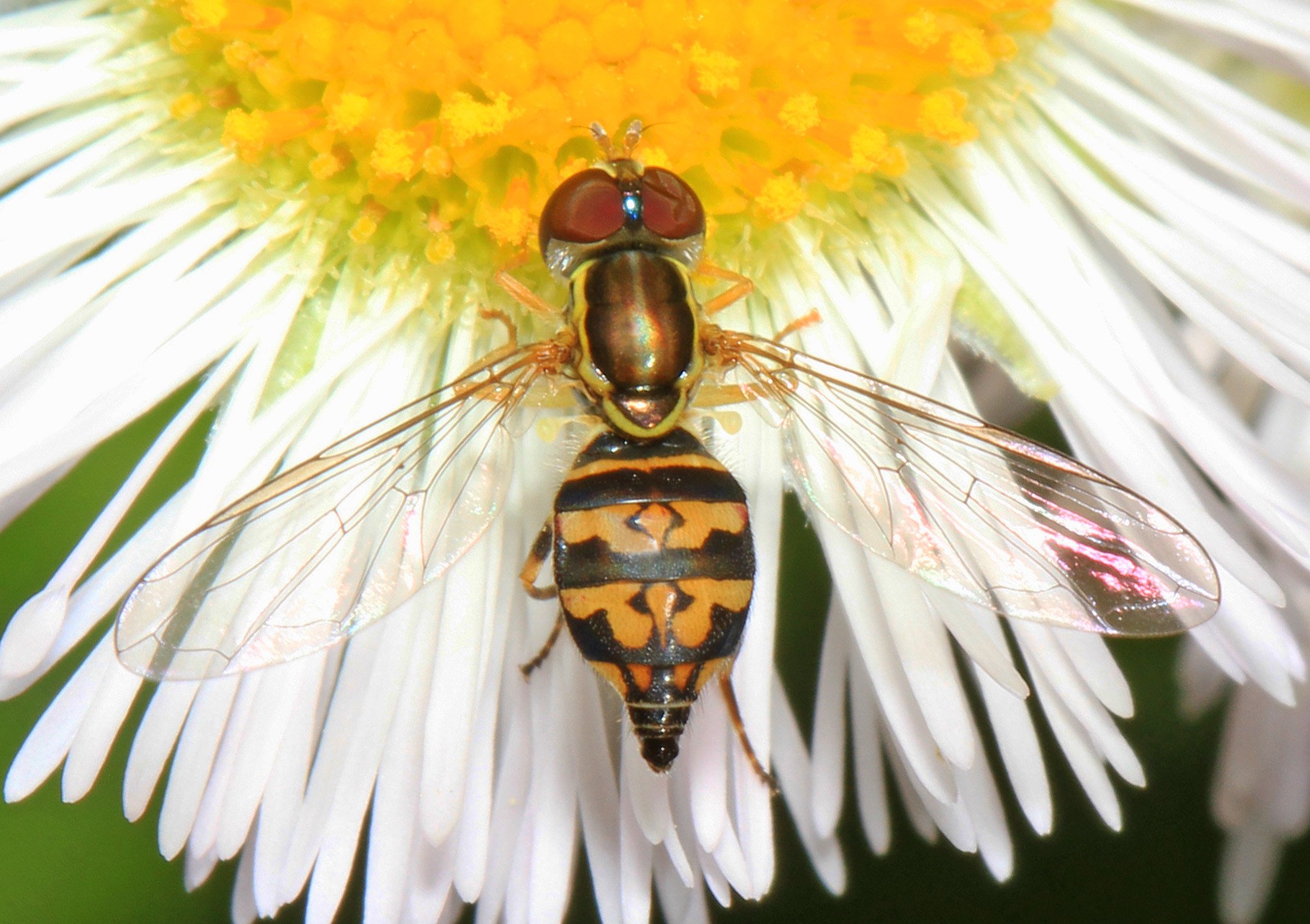
The hoverfly could turn you into a fly zealot, if you’re not one already. They are quite unlike the stereotyped pests who buzz us annoyingly, spreading germs and producing maggots. For one thing, they hover. For another thing, they often look more like bees than flies, with bright colors that scare off predators. For another, they are critically important pollinators, right up there with bees and wasps.
Best of all, they are major consumers of aphids, leafhoppers, planthoppers, mealybugs, whiteflies, scales, thrips, and caterpillars, all enemies of the gardener. Kudos, hoverflies!
How does a hoverfly hover?
Hovering in one spot over a flower, then quickly zooming to another spot, twisting and turning to get just the right angle to reach the pollen and nectar, makes the hoverfly a major pollinator and is their most distinguishing charm. They have wings like an airplane yet they can hang suspended in the air like a helicopter. How do they do it?
First, hoverflies generate lift to support their weight by beating their wings at an incredibly high frequency —over 250 times per second! But they’re not just beating up and down: they’re moving in a figure 8 pattern, rapidly twisting and rotating at the end of each stroke. Though they’re generating “lift” on both upstrokes and downstrokes, the forces generated by each stroke balance each other out, so the hoverfly stays in the same spot. This complex motion creates powerful little whirlwinds at the leading edge of each wing, which provide even more lift.
Nevertheless, hovering requires constant, rapid adjustments since instability is inevitable. So hoverflies have a few more tricks.
Like all true flies (Order Diptera), hoverflies have two wings. But they’ve also evolved a pair of small, modified hind wings called halteres. These act like gyroscopes, sensing changes in body rotation and orientation and sending the information to the insect’s nervous system. When they want to move forward, sideways, or backward, the halteres send messages to the brain to adjust the wing stroke amplitude and pattern.
Further aids are their five eyes: two large, bulbous ones that nearly cover their heads and are made up of thousands of individual lenses for a wide range of vision, and three smaller ones on top of the head, which are sensitive to light and movement.
Finally, their central nervous system gathers the information from the haltares, eyes, and other body and wing sensors and enables the hoverfly to make immediate course corrections as needed.
This all happens very fast, as you can imagine! Impressive, since the hoverfly’s brain is about the size of a pinhead (though with 1,000,000 neurons).
Hoverflies, aphids, and reproduction
If you loathe aphids, read on.
Plants that are attacked by aphids can send out chemical signals (pheromones) indicating their distress. Hoverflies and other aphid-loving insects detect these signals and eagerly fly to the plant to lay their eggs. When the eggs hatch in two or three days, the emerging larvae immediately begin to feast on the aphids. If a plant has no aphids, the hoverfly will pass it by, laying no eggs there, since aphids are important sources of protein for hoverfly larvae. According to Cornell’s Integrated Pest Management website, “Each (hoverfly) larva can consume up to 400 aphids during development, and therefore reduce damage to some plants. When syrphid larvae are abundant, they may reduce aphid populations by 70 to 100%.”
Hoverflies in leaf litter
The hoverfly’s life cycle is about a month, from egg through adult, depending on weather, food availability and the species (there are over 400 species in the Northeast; about 6000 globally). They can produce up to seven generations in a season.
When winter approaches, the last larval instar of the season, now about 1/2 inch long, drops to the ground from the plant it was feeding on and migrates, legless, to a moist, sheltered spot like leaf litter or soil. Some species enter a state of diapause for the winter; others pupate. The most common hover fly in our area of eastern New York, the Eastern Calligrapher (Toxomerus geminatus), is one who pupates.
If s/he is lucky enough to make it through the winter, i.e. no hungry predator has ripped open the cocoon, s/he will emerge as a beautiful adult hoverfly. They’re called calligraphers because of the delicate black etchings on the yellow background of their abdomens. Yellow and black — bee and wasp colors — are nature’s warning colors so the hoverfly’s deceit offers protection from wary predators. S/he adds to the deceit by making a buzzing/droning sound. But, like all hoverflies, s/he can’t sting and is harmless to humans.
As soon as the Eastern Calligrapher emerge from their cocoons in late spring, they mate and the female lays the resulting eggs on selected plants. She’s drawn to the same species for egg laying as for nectaring, and plants with aphids are always preferred.
How can we help hoverflies?
Plant hoverfly favorites: white or yellow flowers in the Asteraceae family (daisies, sunflowers, yarrow, etc.). Being short-tongued, they prefer flowers with flat tops and easily-accessed rewards.
Leave leaves alone in fall. If you must remove them from lawns, do so gently, raking them to the edge of the lawn. Never use leaf blowers because they kill insects outright, destroy their habitat, and remove food sources from other critters. Plus they pollute not only with fumes but also by blowing ground litter — mold and fungal spores, fecal matter and dust — into the air.
Avoid misuse of pesticides, especially when insects are present.
Thanks for your help!
Bacterial blight of brassica leafy greens: a new threat to arugula production
from Elisabeth Hodgdon, Cornell University, and Cameron Cedeno & Carolee Bull, Penn State
Leafy greens are a high value crop for many vegetable producers. Brassica baby leaf salad greens in particular are a great fit for many operations in the Northeast given their cold tolerance, quick growth, and varietal diversity. Recently, more brassica leafy greens growers in the Northeast have reported issues with bacterial disease in their crops, particularly in arugula. Bacterial blight, caused by the pathogen Pseudomonas cannabina pv. alisalensis, was first detected in arugula in New York State in 2021. Here, we summarize current recommendations for managing this disease and new results from current research projects on arugula bacterial blight.
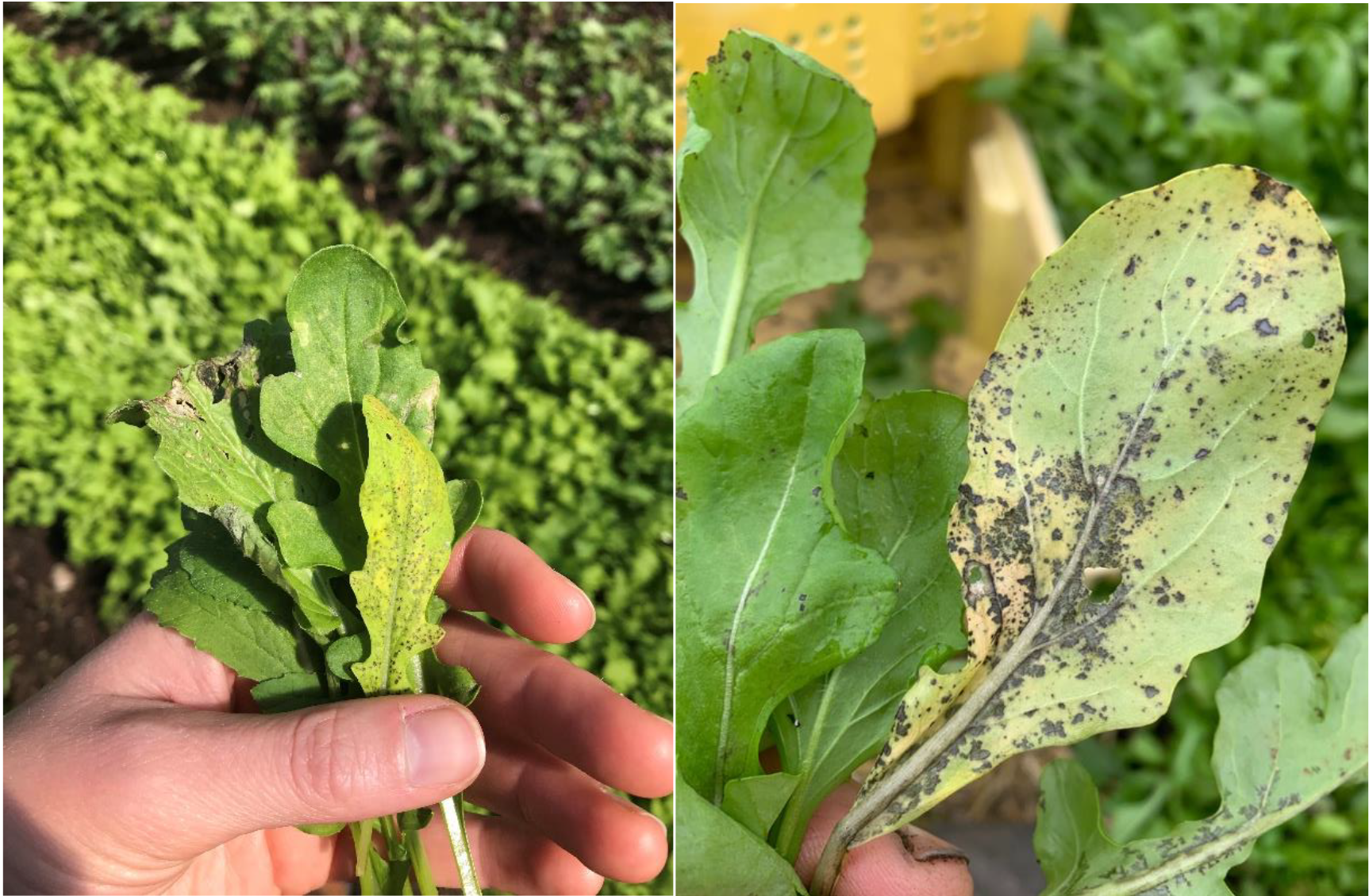
Symptoms of bacterial blight in arugula appear as black and tan spots on leaves that are surrounded by yellow halos. The lesions spread quickly under moist conditions, leading to blighted leaves. Because of the high value of baby leaf greens, there is little tolerance for spotting on arugula leaves in most retail and wholesale markets. Thus, growers need effective solutions to manage bacterial blight in their arugula.
Because bacterial blight of arugula and other baby leaf brassicas is new to our region and elsewhere in the US, little is currently known about specific management strategies. Best management practices for plant disease prevention, particularly when multiple strategies are used in tandem, seem to be effective for many farms who experience this disease, including:
- Using certified disease-free or treated seed when available: Hot water bath treatment for brassica seeds is recommended to prevent bacterial disease, however, arugula seed cannot be hot water treated due to “gumminess” of the resulting wet seed. Steam and UV treatments are currently being tested for treatment of arugula seed. The bacterial blight pathogen is believed to be seedborne in some cases; research is underway examining this pathway of transmission.
- Increasing air flow and reduce humidity in growing environments: Very dense plantings of arugula under row cover and in high tunnels often experience higher incidence of bacterial blight. Activities that improve air flow, such as removing row cover as often as possible and ventilating tunnels, can reduce disease. Some producers have been able to grow arugula crops outdoors with no bacterial blight, while their indoor plantings experience this disease, although this is not always the case.
- Using drip irrigation versus overhead: Practices that reduce leaf wetness help prevent spread and progression of bacterial blight and other disease.
- Chemical control: Very little is known about pesticide efficacy on bacterial blight in arugula. Copper and hydrogen peroxide products may aid in preventing or slowing progression of disease. A test spray should be performed first to assess phytotoxicity under your growing conditions. Be aware that for any pesticide used in high tunnels in NYS, the label must explicitly list “greenhouse” (“hoophouse,” “indoor,” or comparable terms) use in order to legally be applied to a crop within a high tunnel. If the label is silent on greenhouse use, you may not use the product in your tunnel.
- Crop rotation: Rotation of tunnel beds or fields away from brassicas is important in disrupting the disease cycle of this pathogen, although there are known non-brassica hosts (e.g. oats).
As part of a Northeast SARE Research and Education grant, we (the NorthEast Arugula Team, or NEAT) conducted a series of arugula variety susceptibility trials, growing over 20 different varieties of arugula that were inoculated with the bacterial blight pathogen. Unfortunately, no salad arugula (Eruca sativa, e.g. Astro, Standard, Esmee, etc. common varieties) cultivars showed resistance to bacterial blight. Wild arugula varieties (Diplotaxis tenuifolia; e.g. Sylvetta, Nemesis, and Bellezia), however, exhibited significantly lower disease severity in both field and greenhouse experiments. If wild arugula is a good fit for a farm’s salad greens markets, it may be worth growing versus salad arugula if bacterial blight is a problem.
Do you suspect you have bacterial blight in your arugula or other brassica greens? If so, please reach out to the NEAT team by contacting Elisabeth Hodgdon at eh528@cornell.edu or (518) 650-5323 to coordinate submission of samples to Penn State for diagnosis. Funding for this project was provided by Northeast SARE Research & Education grant LNE23-463. For more information about the NEAT team and projects, visit https://plantpath.psu.edu/research/labs/bull/rese...
Bacterial blight symptoms in arugula. Photo credits: Margaret McGrath (left) and Elisabeth Hodgdon (right).
4-H News: New Clubs, Award-winning Art and the Fibonacci sequence
by Brandy Keenan, 4-H Educator
New 4-H Year, New Clubs
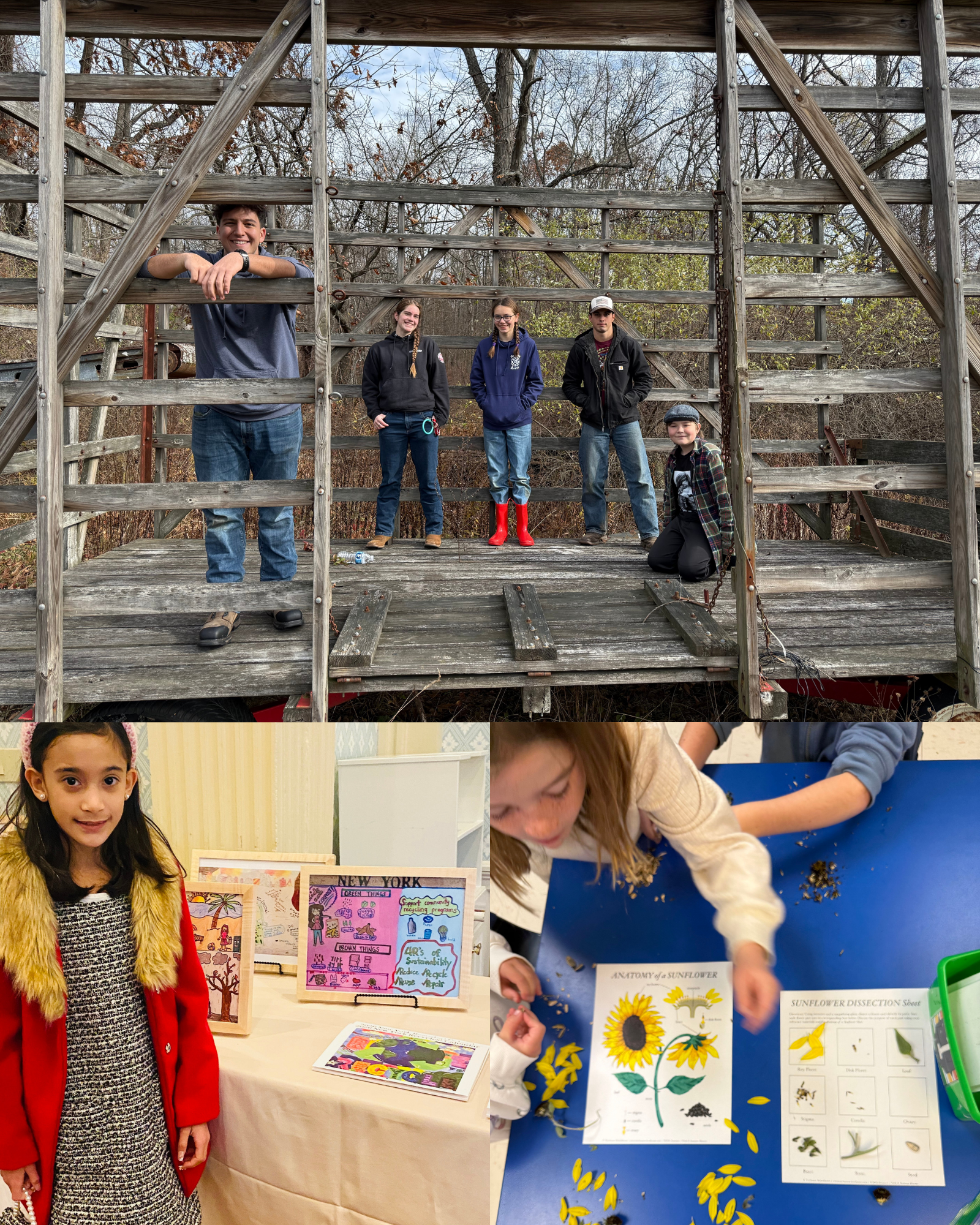
4-H is off to a great start this year with 10 clubs, three of which are new, and 73 youth enrolled. One of the new clubs this year is the Agriculture and Environmental Club, Hay You! They had their First meeting this November at Tilly Foster Farm. After getting to know each other through some youth led ice breakers, the youth took a tour of the farm exploring their new “home”. One of the highlights was meeting Gil, Tilly Foster's highland steer.
Congratulations, Taylor!
Last month, 4-H member Taylor Camilleri accepted an award for winning the Grades 4–6 Artwork Category in the 2026 NY Recycles! Calendar Contest (sponsored by New York State Association for Reduction, Reuse and Recycling) in Cooperstown. Her poster is featured in the 2026 calendar as part of the campaign themed “Small Actions, Big Impact: Leading in Sustainability.”
PQ Before School Garden Club get Familiar with Fibonacci
Last Month, the before school garden club at North Salem Elementary engaged in the dissection of sunflowers. They identified various parts like the ray florets, bract, and stigma. Afterwards they created suncatchers out of the petals and leaves. The following week they discovered how math is a part of the natural world by exploring spirals in the heads of sunflowers. They learned about the Fibonacci sequence which makes spirals possible: 1, 1, 2, 3, 5, 8… and then graphed out spirals in an art project.
Give Breakfast a Holiday Twist with Gingerbread Pancakes

from Josephine Quiocho, Nutrition Educator
A delicious way to enjoy this classic holiday flavor and eat your whole grains for breakfast.
Ingredients
- 1⁄2 cup whole wheat flour
- 1⁄2 cup all-purpose flour
- 1⁄2 teaspoon salt
- 1⁄2 teaspoon baking soda
- 2 teaspoons pumpkin pie spice
- 1 egg
- 2 Tablespoons molasses
- 1 Tablespoon vegetable oil
- 1 cup low-fat buttermilk
Directions
1. Mix dry ingredients in a bowl.
2. In another bowl, beat egg. Stir in molasses, oil and buttermilk.
Pour milk mixture into dry ingredients; stir together lightly.
3. Lightly spray a large skillet or griddle with non-stick cooking spray or lightly wipe with oil.
4. Heat skillet or griddle over medium-high heat (350 degrees in an electric skillet). For each pancake, pour about 1/4 cup of batter onto the hot griddle.
5. Cook until pancakes are puffed and dry around edges. Turn and cook other side until golden brown.
6. Refrigerate leftovers within 2 hours.
For nutrition information, please visit SNAP-Ed NY.
Source: snapedny.org/recipes/gingerbread-pancakes/


Last updated December 3, 2025
December is ...

National Giving Month
National Giving Month is a time to encourage charitable acts and recognize those who help their communities. It's a period for donating time, money, or goods, and it aligns with other holidays that focus on giving, such as Hanukkah, Christmas, and Kwanzaa. Many organizations and individuals focus their giving efforts in December, which accounts for about one-third of all annual charitable giving.
How you can participate in National Giving Month:
- Donate to a charity.
- Volunteer your time to an organization.
- Donate goods like food, clothing, or books.
- Share your professional skills, such as pro bono work or mentorship.
- Host a charity event.
Resource: National Association of Nonprofit Organizations & Executives

Bingo Month
Almost everyone has played a game of Bingo in their lifetime whether it was an elementary school rainy-day activity, a fun weekly outing at church or a spirited night of trying to win designer purses. Bingo has its roots in 1500’s Italy, but, in 1929, it was made popular here in the U.S. thanks to New York traveling salesman Edwin Lowe. After seeing a game of chance called Beano while traveling in the south, Lowe enlisted the help of mathematician Carl Leffler, who developed thousands of combinations of numbered game cards. In the 1930s, a Catholic priest approached Lowe about using Bingo as a church fundraiser, beginning its association with the American Catholic community. And here's a fun fact: Edwin Lowe also brought the world the game Yahtzee!
Resource: Wikipedia
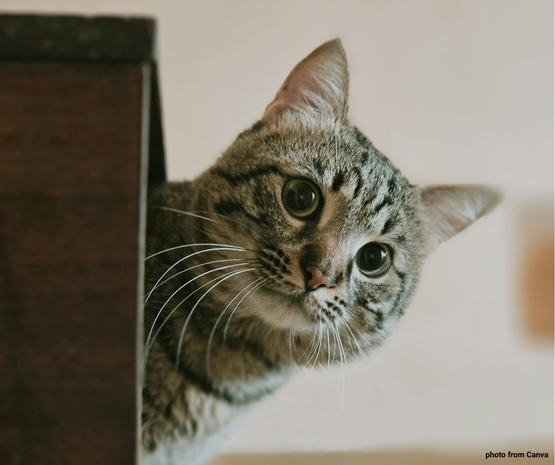
National Cat Lover's Month
National Cat Lover’s Month is an opportunity to honor the beauty and intelligence of our feline friends. According to the American Veterinary Medical Foundation, 25 percent of households are home to a cat. Tragically, however, cat overpopulation remains an issue, and more than 3 million cats enter animal shelters each year. Cats also have higher euthanasia rates than dogs, and approximately 850,000 cats are euthanized each year because they can’t find their forever homes. Considering adopting a cat in need from your local animal shelter. If you already have a cat, use this month to give yourself the gift of time with your cat companion. And if you can’t adopt a cat, consider making a donation to your local shelter to purchase food and other necessities for cats waiting for their forever homes.
Resource: American Humane Society

World AIDS/HIV Awareness Month
There has been considerable progress made over the last 40 years in terms of treatment and support for those living with HIV and AIDS. Approximately, 39.9 million people worldwide are living with HIV. The rate of new HIV infections declined 73 percent between 1984 and 2019, and the age-adjusted death rate has dropped more than 80 percent since its peak in 1995.However, there are still too many people remain unaware of their HIV status, and too few people living at risk taking the appropriate pre-exposure prophylaxis medicine. In 2019, there were approximately 1.2 million people living with HIV in the U.S., with 34,800 new infections that year, representing an 8 percent decrease since 2015. However, an estimated one in eight people living with HIV in the U.S. did not know they’d been infected. World AIDS/HIV Awareness Month is dedicated to supporting educational campaigns, disseminating information about testing and treatments, lobbying for healthcare equity and breaking the stigma surrounding HIV/AIDS.
Resource: HIV.gov
Move More. Be Well.

from SNAP-Ed NY
If your holiday traditions all seem to revolve around eating, liven things up with some opportunities to be physically active with family and friends.
Go for a walk or run. Instead of heading for the couch after the big meal, bundle up and head outdoors for some fresh air. Walking is an activity the whole family can do together, even the dog!
Play to win. Start a new tradition of an annual family game of touch football, basketball, mini-golf or whatever your family’s favorite sport is.
Make it move. Add movements and gestures to your favorite card or board games.
Play in the snow. Go sledding, ice skating, skiing or snowshoeing. Build a snowman or snow fort. Team up for an epic snowball fight.
Break up the binge-watching. In between bowl games or your favorite holiday movies, take a walk or do something active.
If the holidays sometimes leave you feeling stressed and overwhelmed, take care of yourself to stay well.
Keep up healthy habits. Make a commitment to yourself before the holiday season begins. If you don’t completely give up your healthy habits, you won’t feel like you have to start all over once the holidays are in the rear-view.
Fit in fitness. Try not to skip workouts, but when a full social calendar gets in the way, sprinkle some healthy activity like walking into your daily routine.
Give yourself the gift of peace. When the invitations pile up, don’t be afraid to say no to some of them. If you need some down time to recharge for the next party, take a break. Do something that relaxes you, like yoga, meditation, reading, a warm bath or spending time in nature.
Get your ZZZs. Aim for 7–9 hours of sleep each night to stay in the healthy zone. Don’t let your wake-up time and bedtime get too far off your regular schedule. Nap when needed and ditch the digital devices at night.
For more tips, visit heart.org/healthyforgood.
Cornell Cow Convos Podcast Series
This monthly podcast series led by PRO-DAIRY and CCE Dairy Specialists features current, new, and emerging topics of interest to the dairy industry right now. New episodes are released on the last Thursday of the month. The series also features specially selected interviews with dairy farmers and industry experts and invites suggestions from our listeners for future topics.
Check out the podcast on the PRO-DAIRY website where each episode, additional resources, and speaker contact information will be posted. In the 27th episode of Cornell Cow Convos, Katie Callero, dairy management specialist, SWNY CCE Ag Team, and Kathy Barrett, Cornell PRODIARY, interview Dr. Joao Costa, a University of Vermont professor, on the methods and benefits of extended colostrum feeding for dairy calves.
The podcasts are offered by Cornell Cooperative Extension and PRO-DAIRY.

International Year of the Woman Farmer Information Hub Launched
The National Association of State Departments of Agriculture (NASDA) along with 15 members of an International Year of the Woman Farmer working group launched an information hub dedicated to celebrating and advancing women in agriculture. The site debuted Oct. 15, the International Day of Rural Women, to highlight and connect efforts supporting women in agriculture worldwide.
Women contribute nearly half of the world’s food production, but they continue to face persistent barriers to accessing land, resources and leadership opportunities. The information hub serves as a central online platform to elevate women’s stories and drive action in support of women farmers globally, recognizing that supporting them helps advance the entire agriculture industry. A primary feature of the group’s collaboration is the National Women in Agriculture Study, a national effort led by the American Farm Bureau Federation, to better understand the women behind American agriculture.
As part of this effort, NASDA is seeking support in gathering additional farmer stories. If you are a woman in agriculture, fill in the survey and share your story!
Cornell Small Farms Courses
Are you interested in improving your technical and business knowledge to benefit your farming operation? The Cornell Small Farms Program offers a suite of more than 30 online courses, primarily taught by Cornell Cooperative Extension educators, to help farmers improve their technical and business skills.
The online courses are designed to be flexible and user-friendly. All course materials are stored on an easy-to-use web platform. Tune in to weekly webinars to hear from experts and ask questions in real time, and complete all other course reading and assignments when it works for you. There are also self-paced courses available.
Registration is open now for all courses. Visit https://smallfarmcourses.com/.
Guidelines for Greenhouse Floriculture and Herbaceous Ornamentals Now Available

from Cornell IPM
The Cornell Integrated Pest Management Pesticide Safety Education Program has announced the release of the 2026-2027 New York and New England Management Guidelines for Greenhouse Floriculture and Herbaceous Ornamentals.
This regional publication contains a wealth of management information for common insect, disease, and weed pests affecting floral crops grown in greenhouses, nurseries, or landscapes in New York and New England. It also provides information on growth regulator use in ornamentals, using pesticides effectively and safely, as well as basic integrated pest management (IPM) principles. Contact information for university experts, state pesticide regulatory agencies, and diagnostic and testing services is also included. The guide is designed to be used by greenhouse and nursery growers, landscape maintenance staff, consultants, and others who grow or maintain ornamentals.
The 2026-2027 edition of the Guide is available as a print copy or online-only access. The print edition costs $47.50 plus shipping. Online-only access is $47.50.
The Guide can be ordered from the Cornell Store at Cornell University by calling (844) 688-7620 or ordering online HERE.

CLICK HERE and become a part of our efforts
to build our new home at Tilly Foster Farm!
Tidbits
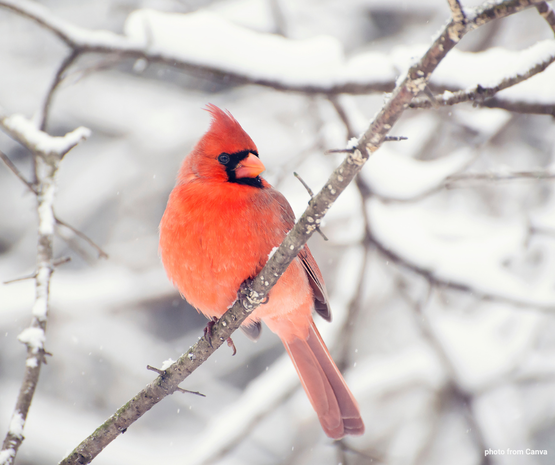
Save the Date to Count the Birds
In support of the historic Audubon Christmas Bird Count, join us at the Tilly Foster Forest for a winter bird count. You’ll help us identify and count the birds sheltering in the forest for the winter, adding to our nature catalog of the forest. This family-friendly event will be held Jan. 3 (snowdate: Jan. 4) in conjunction with Soldiers2Scientists, an organization that engages veterans and their families in citizen science. Mark your calendars and dust off your binoculars!

CoveCare Center hosts this year’s Giving Tree!
Help make a child’s holiday season brighter by choosing a tag from one of our participating Giving Tree locations.
How to participate:
- Commit to a gift for the child listed on the front of the tag.
- Wrap your gift to make it extra special.
- Attach the tag securely to the wrapped gift so we know who it’s for.
- Deliver your gift by Dec. 19 to: CoveCare Center, 1808 Route 6, Carmel, NY 10512
Where to find a giving tree
- Kent Public Library- 17 Sybil’s Crossing Kent Lakes, NY 10512
- George's Place in Carmel- 36 Gleneida Ave, Carmel, NY 10512
- Brewster Ice Arena- 63 Fields Lane, Brewster, New York 10509
- Drug World in Cold Spring- 55 Chestnut St, Cold Spring, NY 10516
Choose as many tags as you'd like and help bring joy to a child this holiday season. Your kindness and generosity truly make a world of difference!

Statewide First Day Hikes Kick Off the New Year
from NYS Department of Environmental Conservation
Looking forward to a fresh start in 2026? Why not plan for something fun on New Year's Day!
Celebrate the New Year outside with a First Day Hike at one of the many events being held across the state and nation.
The New York State Department of Environmental Conservation, The New York State Office of Parks, Recreation and Historic Preservation (State Parks), and the Canal Corporation invite New Yorkers to kick off 2026 by participating in one of the many hikes being held on state lands across the Empire State!
The 15th annual event includes a variety of staff, partner and volunteer led hikes, ranging from mountain climbs, cross-country skis, leisurely strolls along birding trails, and so much more! Some locations offer multiple hike options, allowing people the time and space to enjoy nature’s winter wonders. There is truly something for everyone!
Hikes are planned at DEC state lands, state parks and historic sites, wildlife areas, Forest Preserve trails, canal trails and towpaths, and environmental education centers. All DEC walks and hikes are free, and most are family-friendly, typically ranging from one to five miles, depending on the location and conditions.
Many New Yorkers thrive in winter and are eager for falling temperatures and consistent snowfalls. To these hardy adventurers, a few extra layers of gear combined with snowy New York terrain is a winning recipe for fitness, togetherness, and outdoor fun. If you've never been on a First Day Hike, save the date and get out there!
For hikes being offered, visit the DEC website at https://dec.ny.gov/things-to-do/hiking/first-day-hikes.
At a Glance
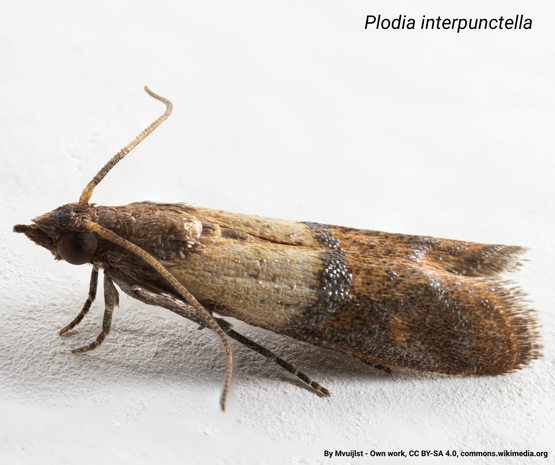
What's Bugging You? First Friday: IPM For Clothes Moths And Pantry Moths
Friday, Dec. 5
12 p.m.
Online
This month we'll focus on two moths that can be pests in your home - clothes moths and pantry moths. Learn how to use IPM tools to deal with them.
Register : HERE

Saving Energy, Saving Dollars
Thursday, Dec. 11
6 to 7:15 p.m.
Desmond-Fish Library
472 Route 403, Garrison
The Saving Energy, Saving Dollars workshop will help participants learn how they can make their homes more energy efficient, teach them how to save money on their utility bills, and connect them with energy efficiency programs, incentives, and resources. This workshop includes a brief presentation, with a follow up Q & A session. FREE energy saving kits will be provided for each participant, and the kits include easy DIY improvements folks can make in their homes: complete with items such as door sweeps, weather stripping, LED light bulbs, smart power strips, etc. The workshop is free to attend and will be hosted by an Energy Advisor with the Cornell Cooperative Extension of Putnam County.
Register: HERE

Boscobel Twilight Tours: A Jane Austen Holiday
Fridays and Saturdays through Dec. 13
4 to 6:20 p.m.
Boscobel House and Gardens1601 Route 9D, Garrison
After a brief hiatus during our emergency restoration, Boscobel’s Twilight Tours are back for 2025: brighter and more magical than ever.
Step into the candlelit mansion, aglow with the beauty of a 19th-century Christmas. Rooms shimmer with festive greenery and period-inspired décor, while live music on the c. 1815 square piano fills the air with the spirit of Jane Austen’s Regency England. This year’s tour draws inspiration from Jane Austen’s novels in honor of her 250th birthday.
Structured as an open-house experience, expert guides stationed throughout the mansion share tales of Yuletide traditions, early American craftsmanship, and the ongoing restoration that preserves Boscobel’s splendor for future generations. Children are welcome and will delight in searching for hidden gingerbread kids tucked among the decorations.
Outside, the mansion and grounds glow with lighting, setting the scene for a truly enchanting evening. Each tour concludes with a festive reception in the decorated Visitor Center Gallery.
Admission: $17-$29
Register: HERE
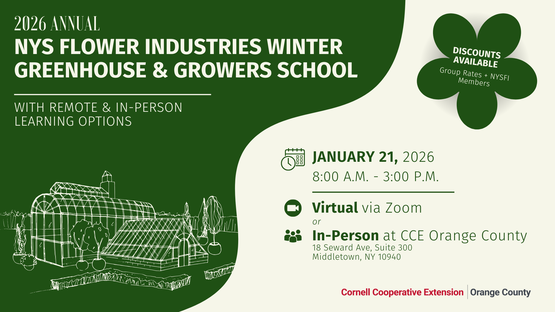
State Flower Industries Winter Greenhouse & Growers Schools
Wednesday, Jan. 21, 2026
8 a.m. to 3 p.m.
CCE Orange County, 18 Seward Ave., Suite 300, Middletown
The event agenda includes: “Building Better Pest Programs – Targeted Timing and Life Cycles”; New York State Flower Industries update; Ag & Markets update; “Avoid Diseases to Have Fabulous Foliage and Flowers”; Efficient technologies, processes, and practices to optimize energy use and related costs in greenhouse operations; and Modern tools and tactics for IPM in greenhouses.
(Morning sessions are available online, so if you can't attend in person, you can still attend via zoom and receive pesticide credits.)
Registration includes morning coffee & snacks and lunch
Registration deadline: Jan. 16, 2026
Cost: $60 or $50 for NYSFI members for first member of company.
Register: HERE

CCE Cut Flower Webinar Series
Tuesdays, Jan. 6 through Feb. 3
Online
The fifth annual CCE Cut Flower Webinar Series begins Jan. 6 and continues over 5 weeks on Tuesdays. This is a popular series of online events with speakers, a wide variety of subjects concerning growing cut flowers and plenty of interaction between speakers and attendees. Webinars will be recorded and sent to registrants for future review.
Session 1, Jan. 6:
1 p.m. - Updates on the Cut Flower Cost Calculator
2 p.m. - Great Woody Cuts: From Field to Vase
Session 2, Jan. 13:
1 p.m. - So You Want to Grow Some Perennials as Cuts? (a few comments that you won’t find on the Internet or Chat GPT from a scarred veteran of cut flower foibles)
2 p.m. - Industry Trends from a Regional Wholesaler’s Perspective
Session 3, Jan. 20:
1 p.m. - Anaerobic Soil Disinfestation: A Sustainable Path to Disease-Free Cut Flowers
2 p.m. - Biochar Use in Cut Flower Production: Practical Insights
Session 4, Jan. 27:
1 pm. - Bugs in my Blooms? Using beneficial insects in cut flower high tunnels*
2 p.m. - Propagation Techniques for Plants That Are Used for Cut Flowers
Session 5, Feb. 3:
1 p.m. - Managing Powdery Mildew, Leaf Spots and Root Rot on Cut Flowers*
2 p.m. - Managing Pests in (and Out of) Cut Flower Production*
3 p.m.- Market Trends and New Cut Flower Varieties for 2026
* NYSDEC pesticide application credits will be provided.
Cost: $60 for all five sessions, $20 for single sessions.
Register: HERE
Disease Detectives Train for Outbreaks
Medical Reserve Corps volunteers teamed up with Putnam County Health Department staff in November to fine tune their outbreak interviewing skills.
Two training and role-playing sessions were held at the Bureau of Emergency Services in Carmel.
Earlier this year the health department’s core outbreak team incorporated additional tiers of staff into the lineup. These staff members were among those who took part in the training to strengthen the surge capacity that is needed in a large outbreak. More than two dozen participants attended one of the intensive two-hour trainings.
Working in pairs, each person conducted a 20-minute mock interview with their partner. The scenario was a food-borne illness outbreak at a large wedding event. The goal? Enhance their “disease detective” skills, identify “patient zero” and the source of the pathogen and stop further transmission. Everyone received a role assignment sheet, which outlined their symptoms, the foods and drinks they ingested, and other pertinent details about their wedding experience. An extensive, 14-page, 59-item questionnaire was also provided as a guide for each participant when playing the role of interviewer.
Dr. Kaufman emphasized how information obtained through interviews is one of three main components in an outbreak investigation.
“Medical Reserve Corps volunteers have played an integral role in the past departmental responses,” said Connie Bueti, MPH, who as emergency preparedness coordinator for Putnam County also manages the MRC with help from Carla Taylor, the MRC program assistant. These dedicated and trained MRC members logged more than 2,400 hours conducting contact tracing interviews and a multitude of other tasks during the COVID pandemic. They remain involved year-round at other events and can be called upon whenever the need arises, whether it is a common norovirus outbreak or something less common such as measles.
Nearly 100 dedicated residents make up the Corps, with skills in areas like clinical, logistical and administrative, that make a tremendous difference in protection and strengthening health and safety in the county.
For more information, please visit the County website at www.putnamcountyny.gov.