Happenings May 2026

May 2026
Join Us for a Day of Giving During Hudson Valley Gives

We’re counting down the days to May 20th and Hudson Valley Gives. We’re working on our campaign in hopes we raise money for our Cornell Barn and Education Center at Tilly Foster Farm!
We need your help to make our campaign a success, and we’ve included a few easy ways that you can support us. In the upcoming weeks, we’ll be sharing the link to our Hudson Valley Gives page and hope you will help us reach our goal of $7,500—the cost of the purchase and installation of an underground propane tank!
Share and share alike.
Online days of giving are successful because of our own networks. Help us grow our network by sending an email to your network and ask your friends to do the same.
Be socially (media) active.
Use your social media networks: post on Facebook and Instagram about Hudson Valley Gives, and share your love for your particular passion, whether it’s education, health care, animals, or the arts. Ask others to do the same.
Become a fundraising champion.
Everyone loves a champion, including us! We really need fundraising champions to help drive people to our Hudson Valley Gives profile on May 20. Contact us for more information on how to become a fundraising champion!
Thank you in advance for your support!
Bug of the Month: Organ Pipe Mud Dauber Wasp
by Janis Butler, Master Gardener Volunteer
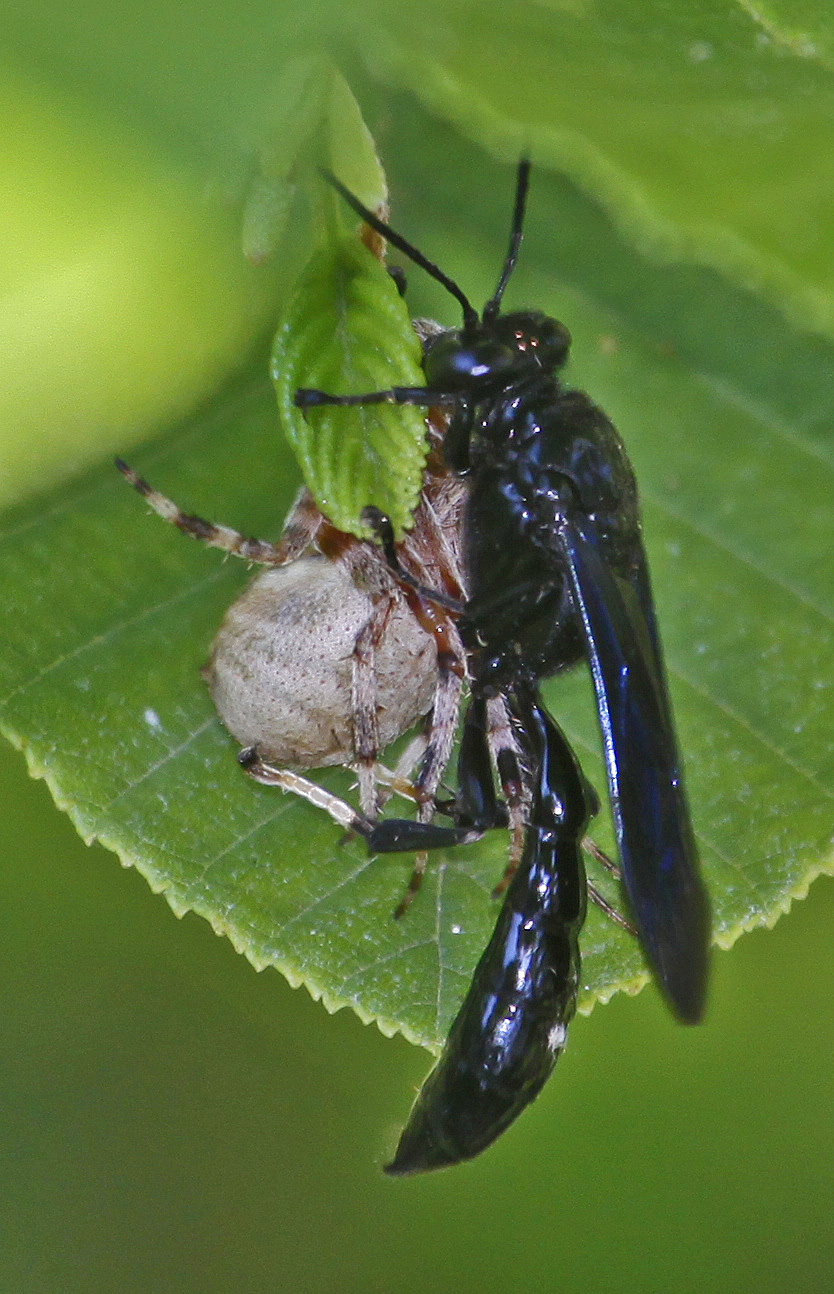
You’re probably seen her structures and admired them but perhaps didn’t know the name of the architect. She’s a gifted builder, masterfully combining form and function and putting a lot of herself into her work. After selecting only the finest materials for her creations, she binds them together with her own saliva.
We’re referring to the works of the Organ Pipe Mud Dauber Wasp (Trypoxylon politum) and the architecture in question is the long, thin tubes of mud that she artfully positions side by side in sheltered spots, under eaves or in abandoned buildings, usually near a source of damp soil.
This beautiful inch-long wasp is patent-leather black — iridescent in some light — with purple wings, a thread-like waist and white or pale yellow “ankles” on her hind legs, easily visible as they dangle below her while she flies. Like all non-aggressive solitary wasps who have no need to defend their nests, she is docile and only stings if caught in clothing or mishandled. The males don’t even have stingers.
Building the Organ Pipes
When constructing her characteristic “organ pipe” nest, she sources mud carefully. It must be wet and pliable, fine-grained, and rich in clay content. So astute is her choice that human potters have been known to follow mud daubers around to discover the source of their high-quality clay.
Once she’s found an acceptable source, she lunges at the mud with her mandibles spread, scooping some up and forming a ball with her mandibles and forelegs. Each mud ball is tiny, so it takes many trips to her clay site to gather enough for the pipes, she usually makes five to seven pipes, stuck tightly together, each with three to six cells.
Once back at the nest site, the wasp mixes the mud with her saliva, which acts as an adhesive and produces a cement-like mixture that hardens when dry. She then vibrates her body, producing a high-pitched buzzing sound to help pack the mud tightly, which increases the density and strength of the nest walls. She uses her forehead to smooth out, prod and smear the balls into place as she builds the walls, one cell at a time, eventually sealing each cell off before starting another immediately below it, resulting in the pipe-like appearance. The tubes are durable and waterproof, usually a shade of beige or gray, depending on the source of the clay.
Provisioning the nest
After the completion of each cell’s walls, she begins to hunt for food for her offspring. Organ Pipe Mud Dauber hatchings (tiny grubs) must have fresh food — specifically, live spiders — in order to survive. So the mother’s work is preordained: she must find mid-sized orb weavers or some similar species and bring them back to the nest alive.
Depending on the size of the spider, she may cram 5 to 20 (30 have been recorded!) into a single cell in the pipe. The spiders are immobilized by her paralyzing venom but remain alive until consumed by the emerging wasp larva. This is tough on the spiders, who are considered beneficial insects in our gardens, but does help keep spider numbers in balance.
Once the wasp is satisfied that her offspring will be well-nourished, she mates with a waiting male, lays an egg on one of the spiders, and seals off the cell. She then flies off to gather mud for the next cell.
In the process of finding spiders for her children, the mother wasp keeps up her own energy needs with visits to flowers for nectar, making her an important pollinator. While she is busy building and provisioning, the male wasp stays near the entrance to the nest, waiting to mate but also guarding against intruders, parasites, and other males, a rare instance among wasps of fatherly participation in the raising of his young. He may even help the female in nest construction. The female’s chores are limited to nest buildings, food procurement for the offspring, and egg-laying. She spends no significant time at the nest.
Life of the Larvae
The eggs hatch in a couple of days and the emerging wasp larvae begin consuming all the spiders, leaving behind only a few indigestible leg parts. The now-plump larva then creates a cocoon for itself and enters a prepupa state (a state of suspension between larva and pupa). It remains in this state until ready to morph into its final adult form the following year, chewing its way out of its cell.
If female, she will begin to build her own nest within a couple of days of emerging. If male, he will wait around for his paternal duties to begin. The mother wasp determines the sex of her offspring by holding sperm in a specialized organ (spermatheca) and deciding whether to release it as the egg passes, fertilizing it for a female or leaving it unfertilized for a male. She typically provides more spider food for the females, themselves future egg-layers, who are usually larger than the males.
Despite careful guarding by the male wasp, the developing larvae are preyed upon by many hungry foes. Parasitoid wasps, cuckoo wasps and others devour the Organ Pipe Mud Dauber Wasp larvae directly. Other insects steal the spiders stored in the nest, thereby starving the wasp larvae. And birds, especially the tufted titmouse, will break open the tubes to feed on the larvae. The holes they make are often mistaken for the larvae’s exit holes.
How Can We Help These Beneficial Insects?
Don’t disturb the “organ pipes” until you see clear signs that the new adult wasps have departed in late spring or early summer. You should see exit holes on the sides of the tubes, one hole for each emerging wasp. The nests are only used for one season and, once they’ve fulfilled their purpose, can be easily removed by humans.
Avoid killing spiders. They are a gardener’s friend and valuable food source for Organ Pipe Mud Dauber Wasps.
Avoid using insecticides, which might kill spiders as well as wasps, especially when pollinators like the Organ Pipe Mud Dauber Wasp might be present.
Provide water in summer, especially during times of drought. Keep a shady mud patch watered, perhaps at the edge or behind your garden.
Photo: Pipe Organ Mud Dauber Wasp (Trypoxylon politum) with Spider by Judy Gallagher via Flickr (CC BY 2.0)
Pedal Your Way to Environmental and Personal Wellness
from UF/IFAS Extension, Sarasota County, adapted by Rachael Paradise, Communications Coordinator
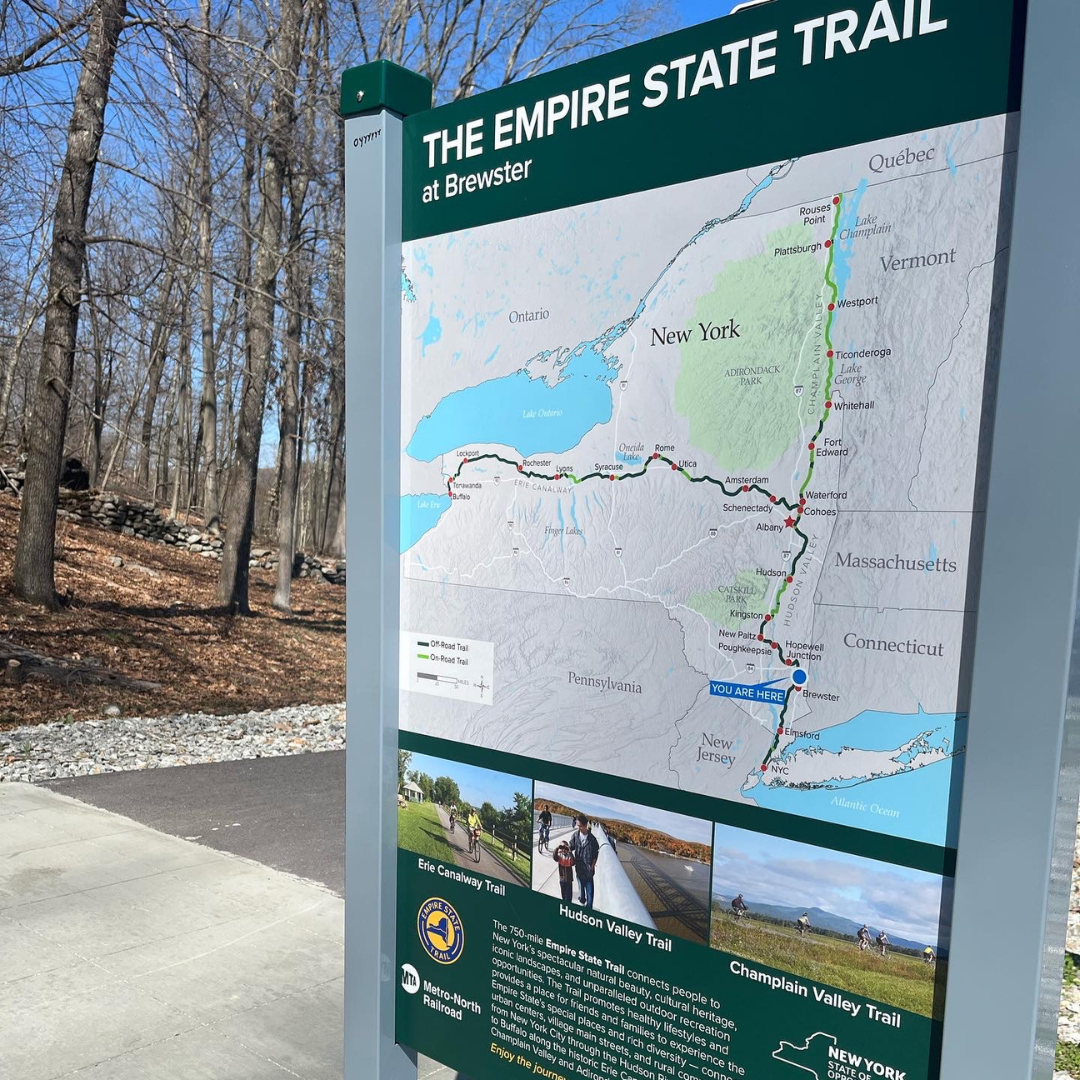
May is National Bike Month, a celebration of the bicycle and its extensive impact on wellness, transportation, and sustainability. Bike to Work Week is May 11-17, with Bike to Work Day on Friday, May 15. Whether for health, environmental, social or economic reasons, bicycling can be a great way to get around.
Benefits of Biking
Environmental: Biking reduces your contribution to climate-changing pollution like carbon dioxide, which are produced by cars and trucks. Swapping a bike trip for a vehicle commute will substantially reduce the greenhouse gas emissions (pollution) you create, while also saving you gas money and preventing wear-and-tear on your vehicle.
Wellness: Along with decreasing your carbon footprint, biking has several health and wellness benefits. Biking can help strengthen your heart, lungs, and bloods vessels by providing low-impact exercise. Other potential benefits include increases in flexibility and strength as well as coordination and balance. Getting outside also reduces stress and promotes mindfulness.
Bike Safety Tips
- Ride in the same direction as traffic and stay as far to the right as possible. Use bike lanes whenever you can.
- Cross at intersections and never pull out into the roadway from between parked cars.
- All bicycle riders and passengers should wear a helmet. Always wear a properly fitted helmet and securely fasten the strap.
- Be seen. Wear neon, fluorescent or bright colors when riding and wear something that reflects light (reflective shoes, reflective tape, etc.).
For many of us, biking to work isn’t an option, but there are plenty of trails in the area that offer miles of scenic views from rivers and lakes to forests and fields to city skylines!
Below are some bike-friendly trails, but be aware, you may be sharing these trailways with walkers, joggers and, in some cases, horses.
Battery Bikeway
The Battery Bikeway connects the Hudson River Park Bikeway to the East River Esplanade making a 31-mile uninterrupted waterfront bicycle path that wraps Manhattan.
Bronx River Greenway
The Bronx River Greenway runs for 22 miles along the Bronx River, traveling from the mouth of the East River north to the Kensico Dam, providing views of the natural history of the area.
Harlem Valley Rail Trail
Paralleling the Connecticut and Massachusetts borders, which lie only a few miles away, the Harlem Valley Rail Trail is a beautiful 26.2-mile wooded pathway along the former New York & Harlem Railroad.
Heritage Trail (NY)
The Heritage Trail is a 10-foot-wide trail on the right-of-way of the former Erie Railroad. When completed, the trail will extend from the City of Middletown to the Village of Harriman. The trail features sections of both asphalt and limestone surface. The current 19.5-mile trail winds through a bird/wildlife sanctuary, historic landmarks, murmuring streams, rolling meadows and friendly communities.
Hook Mountain/Nyack Beach Bikeway
The Hook Mountain/Nyack Beach Bikeway is a scenic trail that runs almost 5 miles along the Hudson River in Rockland County. The trail runs through Hook Mountain State Park and Rockland Lake State Park between Haverstraw Beach State Park and Nyack Beach State Park.
Hudson Valley Rail Trail
The Hudson Valley Rail Trail is a 9-mile Empire State Trail section that begins in the Town of Lloyd, at Walkway Over the Hudson State Park, which is a spectacular 1.5-mile park built on an historic railroad bridge high above the Hudson River.
Hutchinson River Greenway
The Hutchinson River Greenway offers a convenient alternative to the Hutchinson River Parkway, which it closely follows. Although adjacent to the busy thoroughfare, trees have been planted along the route to help beautify the path and trail-goers can also catch glimpses of the river on their journey.
Kennedy Trail
The Kennedy Trail gently traces a former New York Central Putnam Division line. Stroll through a mixed hardwood forest and the edges of a pond. During the fall, this is a nice spot for leaf peeping. The area around John F. Kennedy Catholic High School is private, so please stay on the established path.
Putnam Trailway
The Putnam Trailway is a 9-mile Empire State Trail section and is an off-road paved trail, welcoming bicyclists and walkers of all abilities. This scenic rail-trail begins in Mahopac, at a trailhead parking area at the intersection of Croton Falls Road and Mud Pond Road. The trail follows the Putnam Trailway north from there, winding through wooded areas, past scenic lakes, and through small communities. The trail passes through Carmel, and ends slightly west of the Village of Brewster, at the intersection of Carmel Avenue (Route 6) and Putnam Avenue.
Walkway Over The Hudson
Walkway Over the Hudson is a steel cantilever bridge spanning the Hudson River between Poughkeepsie, on the east bank, and Highland, on the west bank. Built as a double track railroad bridge, it was completed on January 1, 1889, and formed part of the Maybrook Railroad Line of the New York, New Haven and Hartford Railroad. It was taken out of service on May 8, 1974, after it was damaged by fire. It was reopened on October 3, 2009, as part of the new Walkway Over the Hudson State Historic Park.
'Tis the Season for Fleas and Ticks
from Agriventures Agway

Cats and dogs can be warm, wonderful companions. However, those companions will often most likely bring other parasitic creatures into your lives that are not at all welcome. Fleas and ticks, aside from the often-intense irritable itching from their bites, can also lead to severe allergies, and can infect both your pets and you and your family with some very serious diseases.
Understanding the Pest Problem
For both cats and dogs in the U.S. the cat flea (Ctenocephalides Felis) is the most common flea and the one with which your pets are likely to be infested. The cat flea will feed on many animals, including humans and once an infestation is established it can be difficult to eradicate. Your pets are likely to become infested through close proximity to other infested animals, infested bedding, furniture, or flooring, and in the case of a very heavily infested property, even the lawns; fleas can cause anemia, skin infections, and can also introduce tapeworms into their host.
Ticks (part of the spider family) can pose a very real threat and are frequently the culprits for infecting their hosts with life threatening illnesses such as Lyme Disease and Rocky Mountain Spotted Fever. Your pet is most likely to pick up a tick as it moves through tall grass. Once a tick has fed it will drop off and look for somewhere for shelter and to establish an infestation. Unless you are vigilant, this could be your home.
Identifying Flea and Tick Infestations
According to the University of Kentucky, College of Agriculture, fleas account for over "half of all dermatological conditions requiring veterinary assistance." Identifying a problem before it becomes established will save your pets and possibly your family discomfort and maybe save you some money too. Check your cat and dog regularly, particularly around the armpits, the base of the tail, and the groin. Also watch for signs of your pet excessively scratching, skin damage, bald patches, black dirt like granules (flea feces) in their fur (a flea comb is useful for this), and a dry or flaky skin condition. If you or your family have been bitten by an insect repeatedly, especially around the ankles, it is likely to be fleas; check the furnishings and the carpets.
Ticks are more commonly a problem for dogs rather than cats, but do not depend on this generality. Check your pets when they come in, especially during springtime when ticks are more active. A tick will appear as a small dot on your pet's skin and will look almost like a growth if it has been feeding for some time. Remove the tick carefully, but not with your bare hands. Use tweezers (there are special tweezers available for tick removal) or resort to commercial products, such as sprays, dips, shampoos, or powders if your pet is heavily infested. If your pet has a tick or ticks, check your home; favorite places for ticks to take up residence are in the furniture, and behind baseboards and door moldings.
How to Prevent Pet Ticks and Fleas
The best way to control fleas and ticks is not to get them at all, while this is probably unlikely during the lifetime of your pet, there are steps you can take to turn the odds in your favor:
- Be vigilant but work on the premise that your pets will get fleas and/or ticks.
- Consult with your vet as to what solutions are most appropriate for your pet, especially if it is old, very young or pregnant.
- Treat your pet or have your vet administer to your pets regularly a reputable, safe commercial product such as Frontline or Advantix; unless the label says otherwise, never use cat products on dogs or vice versa; always follow the product's directions.
- Buy a reputable, safe flea/tick collar for your pet; replace it according to directions. Agriventures Agway recommends and sells Seresto collars, which last up to 8 months!
- Wash your pet's bedding and soft toys regularly with hot water.
- Regularly vacuum all areas used by your pets and close by frequently; seal and discard the vacuum bag in an outdoor container and/or clean the vacuum thoroughly.
- If you acquire used animal bedding, toys or even used bedding and furniture for your family assume it is infested and wash/treat for fleas accordingly.
What to Do If You Find Fleas and Ticks in Your Home
There will probably be occasions when even the best precautions fail and your pets and probably your home too, will have a flea or tick infestation. One of the most important things to remember in the case of an infestation is that if your pets spend a lot of time indoors then the overwhelming majority of the fleas and ticks will not be on your pets, they will be in your home. You will need to:
- Clear the floor area.
- Take all pet bedding and soft toys and clean or throw it out.
- Vacuum, everything. You want to suck up as many of the adults, larvae, and eggs as you can; vacuuming will also raise the nap of the carpet thus making any chemical treatment penetrate further. For ticks, pay particular attention to cracks, crevices, and baseboards.
- Discard the contents of the vacuum in a sealed bag in an outside container
- Be aware that the use of some products will require that you leave your home for several hours.
- Treat your pets for fleas and or ticks at the same time as you do your home.
If the infestation is particularly severe you may need to treat your yard area too. Consult with your vet and/or your local exterminator as to your options.
When you are going to look for an insecticidal solution to fleas and ticks, take expert advice as to what to use; pet sickness problems have occurred with some products. And, while there are a host of options available to you it is often the case that no one particular solution will do the job in every case; be prepared to be flexible as to the flea and tick control methods that you choose to deploy.
Painting Bare Wood is the Best Defense Against Carpenter Bees
from University of Maryland Extension and Penn State Extension
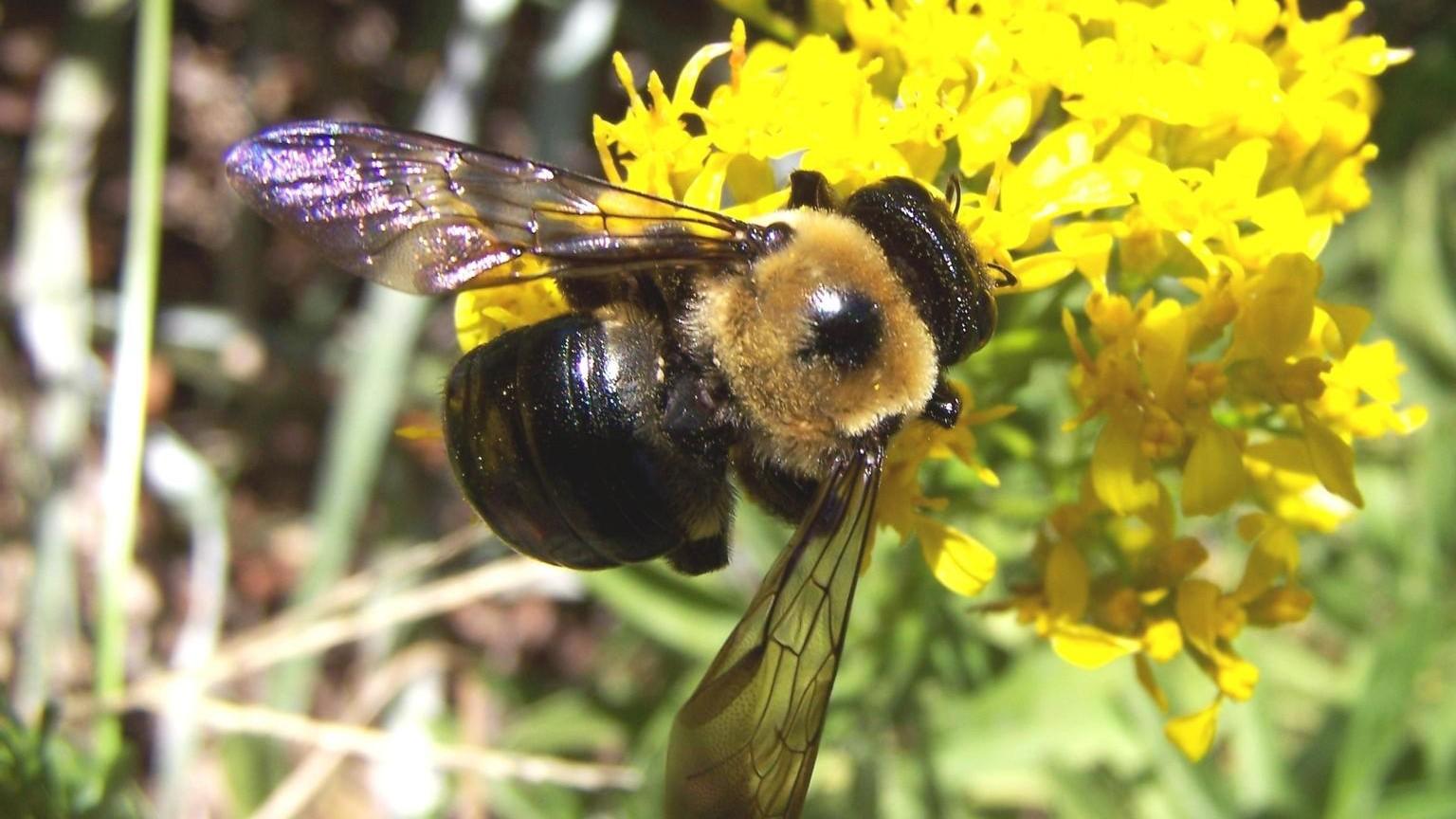
Carpenter bees are a native species and like other native bees they are important pollinators, are not aggressive, and are only noticeable in late spring-early summer.
Control is not necessary unless they are damaging wooden structures. Signs of carpenter bees around your home or garden:
- Sawdust piles below perfectly circular holes drilled into wood surfaces around your home.
- Large, shiny, black, and yellow bees buzzing and flying around your head.
- Fan-shaped, yellow, or moldy stains on the sides of a structure.
Carpenter bees do not eat wood; they eat flower nectar and pollen. The holes they bore into wood are nests for their young. Eastern carpenter bees are large bees approximately 0.75-1 inch long. The thorax or midsection is covered with yellow fuzz. The abdomen, or the hind section, is shiny and black. Females have a black face and a dense brush of black hairs on their hind legs. Males have a yellow faces.
Carpenter bees are solitary bees. Each female builds her own nest by tunneling into wood. Carpenter bees are often mistaken for bumblebees, which are similar in size. However, the bumble bee’s entire body is covered with hairs, and females have yellow patches of hair on the top of the abdomen.
In April or May, the female carpenter bee searches for good nest sites. She will reuse and expand an existing nest tunnel or bore her own. The female chews a perfectly circular hole approximately half an inch in diameter. This entry hole extends 1-2 inches into the wood and then turns at a right angle to follow the grain of the wood. The nest, or gallery, is tunneled parallel to the grain of the wood and may extend for 6-12 inches.
Once the nest is complete, the female carpenter bee stocks the end of the tunnel with bee bread, which is a combination of flower pollen and nectar. She lays a single egg on the food mass, then seals the cavity, or brood cell, with a mixture of wood pulp and saliva. She repeats this process, filling the tunnel with a line of brood cells, each about an inch long. Each cell contains a food supply and a single egg. During the nest construction phase, male carpenter bees patrol the site to drive away intruders and to fertilize females in the area. Although the males defend their territory aggressively and may alarm people by darting around their heads and buzzing loudly, male carpenter bees have no sting (sting is the correct term for "stinger") and are harmless.
Prevention is the best approach to deter carpenter bees. By maintaining sound, finished wood surfaces, bees can be prevented from establishing nests around your home. Painted surfaces are unattractive to nesting bees. Nail holes and cracks should be filled with caulk or putty before painting. The best times to treat and repair damaged wood and minimize the killing of these pollinators would be late summer (after the summer emergence and before hibernation) or early spring before nest building begins. Carpenter bees are usually searching for nest sites in April-May. Non-wood surfaces and coatings, such as vinyl or aluminum siding will exclude carpenter bees entirely.
Established nests can be eradicated by entirely removing and replacing the affected wood with a painted or otherwise unattractive (to the bees) surface. If tunnels are present treatment with an insecticide and sealing of the tunnel is a control option. Wasp, hornet, and bee aerosol formulations sprayed into the holes are effective. Apply the aerosol material into the tunnel entrances and along exposed surfaces. There are also insecticide dust formulations labeled for carpenter bee control. Dust is effective when small amounts are puffed into the tunnel. Chemicals are often repellent to the bees in large quantities, so the objective is to lightly treat the inside of the tunnel entrances. In a properly treated tunnel, the returning bee spreads the compound throughout the tunnel and receives a lethal dose in the process. If pesticides are overused to the point of repellency the bees may avoid all contact with the tunnel and start over again in a nearby location. Read and follow all label directions. A week after treating the tunnels, the carpenter bees should be inactive, and wood can be caulked and repainted. Tunnels must be pre-treated with a pesticide before caulking or the bees will chew through the plugs and reemerge. If the wood surface as a whole is not improved, bees may reinfest the same area.
If you choose to apply pesticide while the bees are active, wait until the female leaves the nest before application. Although the bees will not sting in defense of their nests, they often tumble out of the tunnel in response to the chemical. Treat for carpenter bees in the spring, just as the bees become active or in the late summer. Hire a pest control company if the carpenter bees are situated in an overhead, awkward-to-reach place, or if treatment is likely to involve the use of a ladder or step stool.
According to Penn State Extension, an annual springtime application of almond oil over wood surfaces is an excellent deterrent for those who prefer a natural wood finish. These surface treatments make the wood unattractive to the carpenter bee. In addition to reducing the appeal of the wood structures around the home, providing alternative nesting options in the backyard can help further reduce the chances of negative bee-human interactions while providing suitable habitat for these native pollinators. Untreated pine or cedar can be used to lure female carpenter bees away from wooden structures - and it can be arranged as simply or elaborately as desired.
Photo: Karan A. Rawlins, University of Georgia, Bugwood.org
4-H News: Hay You! Club Treats Roosters for Ailments at Local Farm
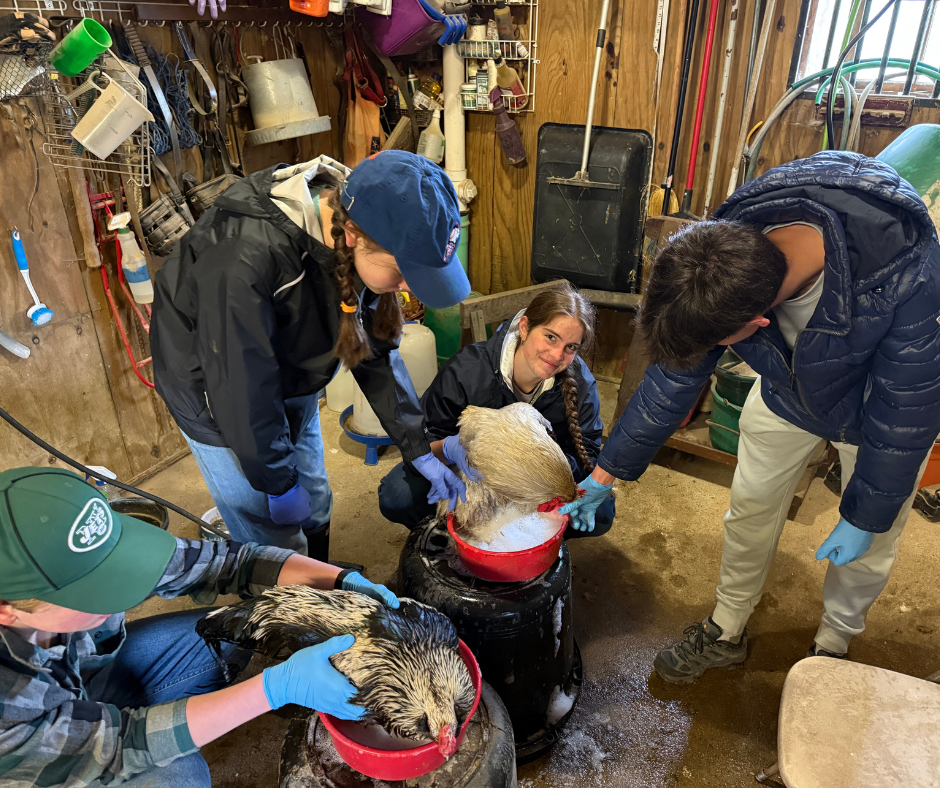
The 4-H Hay You! Club had a real "hands-on experience" at a private farm in April. They learned how to treat two roosters for scaly leg mites and bumblefoot, two common ailments in poultry. It was a real "spa day" for the roosters who received a warm bubble bath, foot and leg scrub, and a calming Vaseline "mask" for their legs. The Hay You! Club is made possible by a grant from the Putnam County Youth Bureau.
“We look forward to strengthening our partnerships with the Youth Bureau with more collaborations in the future,” said Brandy Keenan, 4-H Educator.
Celebrate Asian American and Pacific Islander Heritage Month with a Recipe

from Josephine Quiocho, Nutrition Educator
Eggplant Omelet
Here's a delicious Filipino dish of baked eggplant dipped in egg and cooked in a skillet. Try it for any meal!
Ingredients
- 2 medium-sized thin eggplant or 1 medium-sized globe eggplant
- 2 eggs
- ¼ cup diced onion
- 2 cloves garlic, minced
- ¼ tsp salt
- 1 to 2 Tablespoons vegetable oil
Directions
1. Turn oven broiler to high. Place the eggplant on a baking sheet lined with foil for easy clean up. Broil eggplant on the highest rack possible, turning every few minutes, until skin is blackened on all sides. Broilers vary in power, so keep your eyes on it!
2. Remove eggplant from the oven. Cover with a lid or foil for 10 minutes to let it steam and cool.
3. In a large bowl, mix together eggs, onion, garlic and salt.
4. When cool enough to handle, peel the skin from the eggplant but leave the stem on. On a flat surface, pierce and flatten eggplant with a fork. This will let some moisture escape and drain away. Holding the stem, place eggplant in the egg mixture to coat the flesh.
5. Heat a medium skillet on medium heat. Spread oil to cover the bottom of the pan. When oil is shimmering, move eggplant to the pan.
6. Pour the rest of the egg mixture over the eggplant. Cook until the bottom has browned, about 5 to 6 minutes. Using a spatula, turn eggplant over and cook until the other side is browned, about 4 minutes.
7. Serve with a cooked grain, such as rice, and a sauce, such as ketchup or vinegar. Try it with Food Hero Banana Ginger Sauce.
Find the recipe at SNAP-Ed NY: https://snapedny.org/recipes/eggplant-omelet/


Last updated May 1, 2026

Virginia Redlon, 4-H Volunteer

Congratulations to Virginia Redlon for receiving the James F. Reitz Adult Service Award from the Putnam County Youth Bureau during the Youth Bureau’s Annual Youth Awards Dinner!
The award recognizes adults who, like its namesake James F. Reitz, demonstrate exemplary service and dedication to inspiring the next generation, and for their extensive support of youth programs in the community.
Virginia has been involved with Putnam County 4-H since she was 10. She was active in the Teen Action Group (TAG), participating in and helping to organize community service activities and volunteering as a Youth Leader at the 4-H Fair. During college, Virginia worked as a county P.I.L.O.T. Intern with 4-H at the Cornell Cooperative Extension office for four summers. After graduating, she assisted in running the TAG Program.
In her nomination letter, Brandy Keenan, CCE Putnam 4-H Educator, stated:
"It was very easy to nominate Virginia for the James F. Reitz Adult Award. I first met her when I was a 4-H club leader from Westchester bringing my club and our livestock to the Putnam County Fair. We don’t have our own fair in Westchester and Virginia always made me and my youth feel welcomed and a part of theirs. This meant a lot to us, and I could see how her joy and enthusiasm radiated out towards the youth in my club.
Now that I am on the other side organizing and supporting 4-H within Putnam County, I can see even more how Virginia always puts 100% of her efforts into a successful and meaningful experience for the youth she serves. Virginia's dedication to 4-H is evident and inspiring. She is a valuable asset, a dedicated volunteer and a remarkable mentor.
What made Virginia stand out in her leadership this past year, was the 4-H Community Health Pantry Project. Virginia worked with two youth in her 4-H club to develop the idea of community health pantries in two Putnam locations. Virginia used her woodworking skills to help the youth build the pantries, and her adult skills to help them navigate the paperwork and partnerships that were also required to make this project happen. She provided them with hands-on and soft-skill experiences which are part of a strong youth development program. Something Virginia knew instinctively. The project has positively impacted community members in Putnam County as well as the youth she guided to making it a success.”
Photo: Wayne Ryder, Virginia Redlon and Lauren Johnson.
May is ...
Garden for Wildlife Month
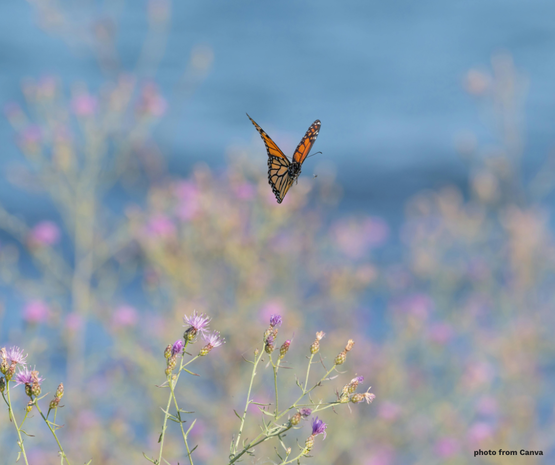
Garden for Wildlife Month is dedicated to creating sustainable habitats for birds, butterflies, and beneficial insects, even in small spaces like balconies. Organized by the National Wildlife Federation (NWF), it focuses on planting native species, eliminating pesticides, and providing water to support local ecosystems. Visit CCE Putnam's Plant Sale May 9 from 8:30 a.m. to 12:30 p.m. at Veterans Memorial Park in Carmel to purchase native plants that attract and sustain wildlife!
Source: National Wildlife Federation

National Correct Posture Month
National Correct Posture Month is a campaign designed to raise awareness about the impact of posture on long-term health, particularly concerning technology use and sedentary habits. The goal is to educate people on preventing back pain, injuries, and musculoskeletal issues by improving daily, structural, and functional habits.
Source: PostureMonth.org

Community Action Month
Community Action Month is a national celebration highlighting the 60+ year effort of Community Action Agencies (CAAs) to reduce poverty, empower low-income families, and revitalize communities. Established by the 1964 Economic Opportunity Act, this network helps millions annually through services like housing assistance, education and weatherization. Interesting in getting involved, visit Putnam Community Action Partnership's website!
Source: Administration for Children and Families
National Salad/Lettuce Month
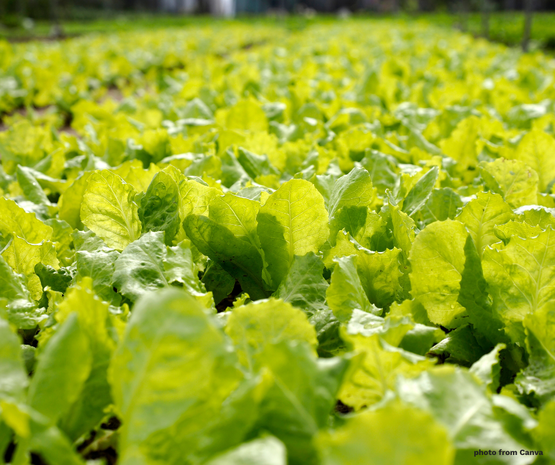
National Salad Month (often referred to as Lettuce Month) celebrates the peak season for various lettuce types and promoting healthy eating. It highlights the versatility of leafy greens, which are packed with vitamins, and encourages fresh, crunchy salads as warmer weather arrives.
Source: University of California
New Produce Safety Rule in Effect
The New York State Department of Agriculture and Markets reminds farmers that a revised requirement under the FDA Food Safety Modernization Act (FSMA) Produce Safety Rule is now in effect for small farm operations as of April 6, 2026. The requirement includes the need for farms that are covered by the Produce Safety Rule to complete a pre-harvest agricultural water assessment. The water assessment will help farms identify potential food safety concerns and make risk-management decisions.
“The Produce Safety Rule provides our growers with a comprehensive, preventative approach to food safety on the farm," said Commissioner Richard A. Ball. "Our growers take great care in producing food the right way and already implement many of these food safety practices, whether it be through participation in the voluntary NYS Grown & Certified program or the USDA’s Good Agricultural Practices programs. And, while the Department has long been working with our New York farms that need to meet these requirements, we want to remind them of this new effective date and that we are here to help them as needed.”
As part of the new agricultural water assessment requirement, farms will need to consider several elements, including location and nature of the water source; water distribution system used; the degree to which the system is protected from possible sources of contamination; the type of application method; the time interval between the last direct application of agricultural water and harvest; and other elements, such as testing. Additional information can be found here.
Dr. Betsy Bihn of the Produce Safety Alliance, Cornell University, said, “There is a free on-demand video training for growers who need information about the new agricultural water assessment requirements and we have been conducting new trainings throughout New York State to help growers learn how to minimize risks in their agricultural water.” This information is available at the Produce Safety Alliance and National GAPs Program websites.
The Produce Safety Rule sets standards for growing, harvesting, packing, and holding of produce, and applies to covered fruits and vegetables normally consumed raw, such as apples, carrots, lettuce, onions, and tomatoes. The Produce Safety Rule does not apply to produce rarely consumed raw (such as winter squash) or produce grown for personal consumption.
The Produce Safety Rule requires that covered farms have to ensure that agricultural water that is intended to, or likely to, contact covered produce or food-contact surfaces is safe and of adequate sanitary quality. It is one of seven areas that farmers must comply with as part of the Produce Safety Rule.
The Produce Safety Rule establishes standards for:
- Agricultural water
- Biological soil amendments of animal origin
- Health and hygiene
- Domesticated and wild animals
- Equipment, tools, and buildings
- Training
- Sprouts
Accompanying these areas are certain record-keeping requirements that document compliance with requirements, including for training, agricultural water quality systems inspection, agricultural water assessment, use of biological soil amendments of animal origin, cleaning and sanitizing practices, and any other required practices. The production of sprouts has different requirements than for other covered produce, so producers are encouraged to be aware of those differences. These practices are confirmed through an inspection conducted by the New York State Department of Agriculture and Markets.
As of today, farms that are covered by the FSMA’s Produce Safety Rule that are expected to be in compliance with the new pre-harvest agricultural water rule requirements and subject to inspections, unless they have a qualified exemption, include large farms with an average annual monetary value of produce sold during the previous three years of more than $500,000 and small farms (less than $500,000 and more than $250,000). Very small farms (less than $250,000 and more than $25,000) have until April 5, 2027 to comply with these new requirements. All farms are already subject to other Produce Safety Rule requirements, including those for harvest and post-harvest agricultural water.
The Department has been implementing the new produce safety standards as required by FSMA since it was signed into law on the federal level to encourage a proactive, preventative approach to food safety on farms. Department staff has been conducting outreach and actively educating New York farms that are required to meet these new standards and performing the required inspections.
Additional information on FSMA can be found on the Department's website. Questions about this new requirement for small farm operations, or the Produce Safety Rule in general, can be directed to Steve Schirmer at (315) 487-0852 or steve.schirmer@agriculture.ny.gov.
$1.7 Million Available for New York Beginning Farmers
New York Farm Viability Institute is pleased to announce that the 2026 NYS Beginning Farmer Competitive Grant Program (BFCG) is now open as of March 16. The BFCG is a competitive funding opportunity administered in partnership with the New York State Department of Agriculture and Markets. The program will provide 1.7 million to support beginning farmers in building financially sustainable, independent, commercial agricultural enterprises throughout New York State. RFP closes on June 14, 2026.
What can be funded?
- Start-up, improvement or expansion of farm operations
- Purchase of land, machinery, equipment, or livestock
- Construction or improvement of structures
- Marketing initiatives
- Worker or apprenticeship training
- Other business needs tied to financial impact
Who is eligible?
- Applicants must be a New York beginning farmer with 10 years or less of farm operation experience and who will materially and substantially participate in operating a farm in New York State.
- Applicants must demonstrate the potential for the project to grow the business and improve financial sustainability. All applicants whose farm generated less than $1,000 in the previous year must provide a business plan.
- Proposals may support a business that produces anytype of agricultural product, with the exception of cannabis.
Learn more and apply HERE.
County Health Department Encourages Backyard Composting
from Putnam County Health Department
Backyard composting is an easy way to start making a difference. Composting at home can help reduce household trash and make positive impacts on the environment. By spending as little as 10 minutes per week on a compost pile, people can turn kitchen and yard scraps into a useful soil amendment for their garden and reduce the need for fertilizers. Throwing away less food also creates lighter loads for garbage collection, less energy needed for incineration, and fewer greenhouse gases from food waste in landfills.
Composting at home does not have to be complicated, especially if you break it down to the four basic “ingredients”: greens, browns, water and air.
- Greens are nitrogen rich items like fruit and vegetable scraps, grains, coffee grounds, and most green yard waste. Fruits and vegetables should have their produce stickers removed before composting.
- Browns are sources of carbon for the pile, and include leaves, twigs, wood chips, straw, and dried out yard waste.
- A compost pile should have the moisture level of a wrung-out sponge. If it is too dry, add a little water or leave the cover off the next time it rains. If it’s too wet, add more browns.
- Air flow is important to make sure there is enough oxygen for microorganisms and bugs breaking down the material. Adding enough browns and having enough vents on the side of the bin will ensure enough air flow.
There are a few items to avoid putting in a compost bin: meat, bones, dairy, fatty foods and sweets. Backyard compost piles do not get hot enough to break these materials down, and they can attract pests. Other items to avoid adding to the pile are weeds or flowers that have gone to seed, and invasive plants.
One low-effort way to compost is called lasagna composting. Like it sounds, it involves creating layers of browns and greens, while keeping air flow and moisture at the right levels. Home composting is generally done in either stationary bin or a tumbler, and lasagna composting can be done in a stationary that is at least three feet wide, three feet deep and three feet tall.
- When a stationary bin is set up, it should be directly on the dirt, with about seven to eight inches of twigs and small branches as a base. This allows organisms to enter the pile from the dirt but also provides enough aeration.
- Then, residents can start their green and brown layering. Every time greens are added to the pile, cover it with about three times the volume of browns. Leaving browns on top helps keep wildlife from bothering the pile.
- As layers are added on top, the bottom layers start to break down. As time passes, continue to add new layers. After several months, there will be finished compost at the bottom.
- Finished compost can be used in garden beds as a soil amendment or as a top dressing.
For those who have never tried backyard composting, the solid waste and recycling program at the Putnam County Department of Health is here to help. To make backyard composting more affordable, the health department offers the Earth Machine stationary compost bin for a wholesale cost of $70. Bins can be ordered on the County’s Recycling website at Putnam Recycles - Putnam County, New York.
Health department staff are available to answer questions and troubleshoot compost pile troubles through email at putnamrecycles@putnamcountyny.gov.
The following are additional resources for residents looking to compost:
Cornell Cooperative Extension of Putnam County Composting: https://cceputnamcounty.org/gardening/compost-resources
Lasagna Layering: https://ccetompkins.org/resources/compost-lasagna-layering-for-easy-compost
NYS Department of Environmental Conservation Reducing Food Waste: https://dec.ny.gov/environmental-protection/recycling-composting/organic-materials-management/home-composting
Environmental Protection Agency Composting: https://www.epa.gov/recycle/composting-home

CLICK HERE and become a part of our efforts
to build our new home at Tilly Foster Farm!
Tidbits
2026 Seedling Sale Was Great Success
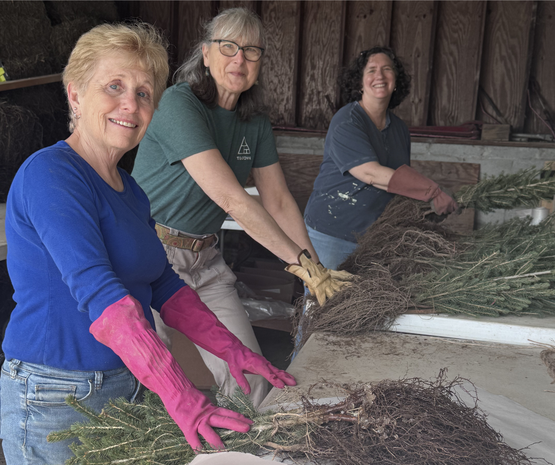
The 2026 Seedling Sale was a tremendous success, with 6,692 native seedlings distributed throughout our community! This collaborative effort between Cornell Cooperative Extension of Putnam County and the Putnam County Soil & Water Conservation District was made possible by 21 dedicated volunteers who helped ensure a smooth and welcoming event for all.
This year’s most popular plants sold out quickly, including Blue Ice amsonia (Amsonia tabernaemontana), wild cranesbill (Geranium maculatum), Blue Moon woodland phlox (Phlox divaricata ‘Blue Moon’), nannyberry (Viburnum lentago), spicebush (Lindera benzoin) and American hazelnut (Corylus americana). Their popularity highlights strong community interest in native species that support pollinators, birds and local ecosystems. Each plant purchased contributes to healthier habitats, increased biodiversity and more resilient landscapes.
If you brought home seedlings, now is a great time to get them in the ground. Plant promptly, water regularly during establishment, and match each species to its preferred light and soil conditions. Adding mulch can help retain moisture and reduce competition while your plants get established.
Missed the seedling sale? There’s another chance to shop—join us at the upcoming Plant Sale May 9 at Veterans Memorial Park, where you’ll find a wide selection of plants to support your native garden and local ecology.
Thank you to everyone who participated in making this year’s Seedling Sale such a meaningful success.
Collaborative Series Kicks Off with Chick Chat
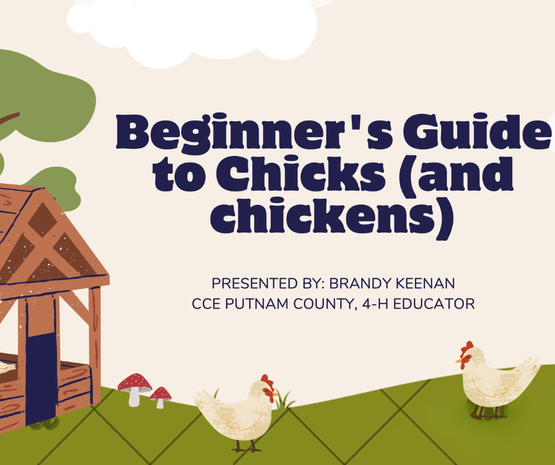
4-H Educator Brandy Keenan was joined by Jenna Sadecki of Agriventures Agway for a presentation about chick (and chicken) care and best practices. Those in attendance learned about raising chicks for their own backyard coops. They learned about breed selection for various purposes, housing and infrastructure requirements, feeding and nutrition basics, flock health management and navigating local regulations and zoning. This was the first in a series of collaborative presentations CCE Putnam will offer with Agriventures Agway. The next presentation will be held May 28 and will focus on beekeeping for beginners (see registration information below in the At a Glance events section).
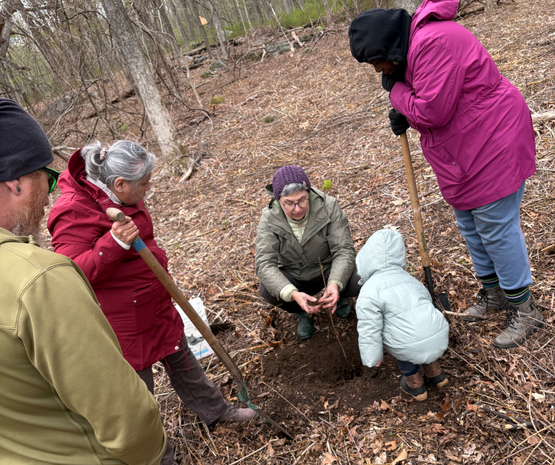
CCE Celebrates Earth Day with Tree Planting
Senior Resource Educator Jennifer Lerner was joined by more than a dozen helpers of all ages to plant seedlings at the Restore and Regenerate Forest at Tilly Foster Farm. Each participant helped plant and also received a seedling to plant at home. The area where the seedlings were planted was once taken over by invasive plants like Japanese barberry. Recently, work was done to remove the invasive species to make room for native plantings.
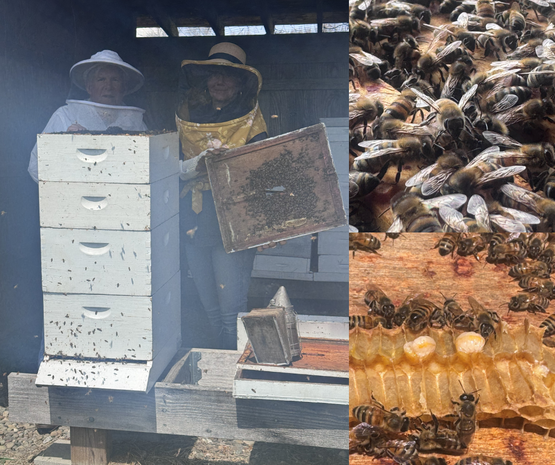
It's Almost Honey Time at Tilly Foster Farm
Resident Beekeeper Rodney Dow and 4-H Educator (Beekeeper-in-Training) Brandy Keenan spent time preparing the beehives at Tilly Foster Farm. It appears the bees survived the cold days of winter and a new hive is in order to help the ever-growing population. Honey extraction will take place over the next few months, and an early taste of what the bees have already made is proving it will be a tasty batch!
At a Glance ...
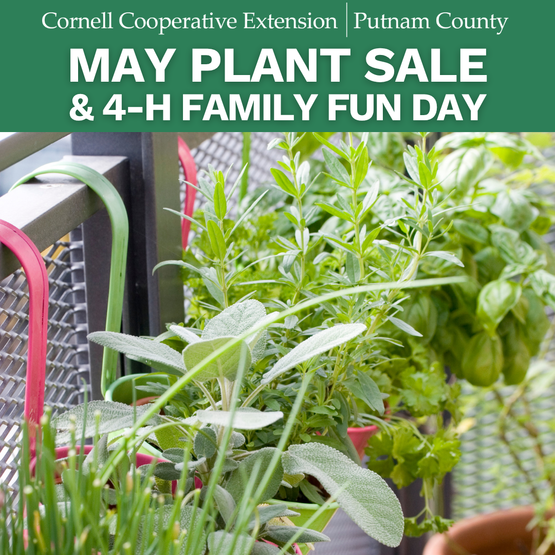
2026 May Plant Sale
Saturday, May 9
8:30 a.m. to 12:30 p.m.
Putnam County Veterans Memorial Park
201 Gipsy Trail Road, Carmel
The plant sale will feature a huge selection of bulbs, herbs, container garden vegetables and native plants that support pollinators, picked by Master Gardeners for Putnam County gardens. Carefully chosen vegetable seedlings will be available singly or in multi-packs to allow gardeners try several different varieties. The sale will also include garden favorites such as colorful perennials, summer-flowering bulbs, native pollinator plants and herbs. Pre-planted vegetable garden containers will be available for that perfect Mother’s Day present. The proceeds from this charity event fund numerous CCE-Putnam programs.

Designer Handbag Bingo Fundraiser
Sunday, May 17
1 to 4 p.m.
VFW Post 174
32 Gleneida Ave., Carmel
Join us for an afternoon of fun with friends to benefit the Cornell Barn and Education Center at Tilly Foster Farm! We'll have designer handbags from Kate Spade, Michael Kors, Coach and more!
Light refreshments will be served (water, coffee/tea and cookies). Ticket includes eight rounds of Bingo and a door prize. There will also be additional Bingo cards, Ultimate Bingo, raffles and a 50/50 for purchase at the event!
Fee: $50
Register HERE.
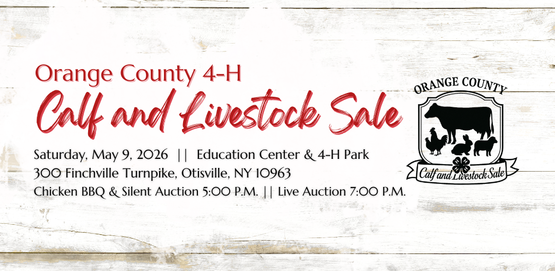
28th Annual Orange County 4-H Calf & Livestock Sale
Saturday, May 9
5 to 9 p.m.
CCEOC Education Center & 4-H Park
300 Finchville Turnpike, Otisville
Don’t miss out on the upcoming 28th Annual Orange County 4-H Calf & Livestock Sale. The sale provides a great opportunity for local dairy and livestock farmers, homesteaders, agricultural businesses, and those interested in agriculture to get together, converse, and promote their agricultural businesses and practices.
Through this fundraising event the Orange County 4-H dairy & livestock programs are able to provide programing and other educational opportunities to 4-H members.
For information visit CCE Orange County's Website at cceorangecounty.org.
.png?1777316584)
Agritourism Webinar Series
May 12 to Dec. 8
12 to 1 p.m.
Online
Join the Cornell Cooperative Extension Agritourism Program Work Team for a monthly webinar series designed to support both new and established agritourism operators across New York State.
This educational series provides practical guidance, timely tools, and real-world strategies to help farms strengthen agritourism operations, manage risk, enhance visitor experiences, and improve long-term business sustainability. Topics span farm safety, marketing platforms, labor regulations, insurance considerations, customer experience, and season extension strategies.
Webinars are held on the second Tuesday of each month at 12:00 PM to 1:00 PM.
2026 Webinar Schedule
- May 12: Labor Laws for Agritourism Operations
- June 9: Website User Experience
- July 14: Extending the Agritourism Season
- August 11: Agritourism on Dairy Farms
- September 8: Hosting Kids Camps
- October 13: Understanding Agricultural Assessments
- November 10: Using Online Platforms
- December 8: Deep Dive into Agritourism Insurance
Webinars made possible through funding from the USDA NIFA Beginning Farmer and Rancher Development Program.
Fee: Free
Register HERE.

Business Development and Marketing Monthly Webinar Series
May 19 through Dec. 15
12 to 1 p.m.
Online
Join Cornell Cooperative Extension for a Business Development and Marketing Zoom series. These monthly webinars will take place on the third Tuesday of each month and focus on a variety of business development and marketing topics. All sessions will be led by content experts across the Cornell Cooperative Extension system, organizations and businesses which support agricultural operations across New York State. The list of topics and dates are listed below:
- May 19: Getting to Know Your Customer
- June 16: Social Media Overview
- July 21: Leveraging AI for Digital Marketing and Content Creation
- August 18: Produce Auctions: Are They Right for Me?
- September 15: Grant Writing 101
- October 20: Business Structures 101 with COUGHLIN & GERHART, LLP
- November 17: How to Evaluate Market Opportunities
- December 15: Overview of Market Channels & Requirements for Participation
Fee: Free
Register HERE.

2026 Cut Flower Webinar Series
May 20 through Dec. 16
12 to 1 p.m.
Online
Cornell Cooperative Extension’s Cut Flower Program Work Team invites cut flower growers to join a free monthly webinar series focused on practical, research-based strategies to support successful production. Sessions are held throughout 2026 and cover a wide range of topics relevant to both new and experienced growers. All webinars will be recorded.
Pre-Registration Required: https://cornell.zoom.us/webinar/register/WN_-NBSilfISga_DRdiObJj4g#/registration
- May 20: Local Cut Flowers for Weddings
- June 17: Cover Crops for Sustainable Crop Production
- July 15: Using Beneficial Insects in High Tunnel Cut Flower Production
- August 19: Analyzing Soil Test Results and Calculating Fertilizer Needs
- September 16: Mischievous Mildews
- October 21: Forcing Tulips
- November 18: Growing Gorgeous Dahlias the Regenerative Farmer’s Way
- December 16: High Tunnels: Ranunculus and Anemones Register Free
All webinars will be recorded and links shared. After registering, you will receive a confirmation e-mail containing information about joining the meeting.
Fee: Free
Register HERE.
.png?1777580661)
To Bee or Not to Bee
Thursday, May 28
6 to 7:30 p.m.
Tilly Foster Farm
100 Route 312, Brewster
Join CCE Putnam 4-H Educator Brandy Keenan and Jenna Sadecki of Agriventures Agway for a beginner's guide to beekeeping during To Be or Not to Bee. This family-friendly introduction to beekeeping will include hive site selection, equipment you'll need, buying your bees, installing your bees in their new home, weekly and monthly maintenance of your new colony, overview of pests and disease, and beekeeping resources to help keep you on track.
There will be an activity for children.
Light refreshments will be served.
Fee: $20
Register HERE.
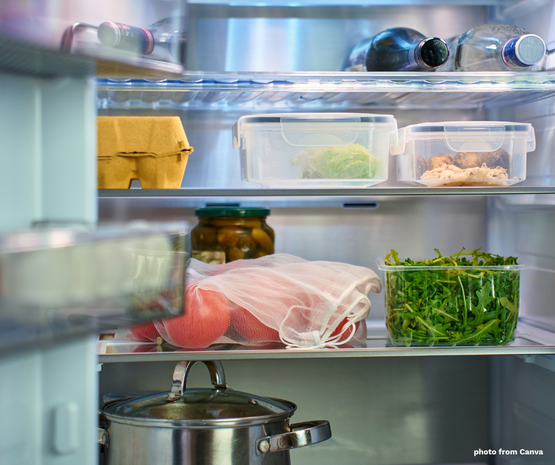
How Clean Is Your Refrigerator?
from Esther Ellis, MS, RDN, LDN, Academy of Nutrition and Dietetics
Mold, bacteria and spills in the refrigerator can put you at risk for food poisoning. Maintain a clean refrigerator to help improve the safety and quality of your foods. For the best cleaning results, always refer to the owner's manual of your refrigerator, but a few simple refrigerator cleaning tips work in most situations:
Refrigerator Cleaning
- Wipe up spills immediately, especially juices from raw meat, chicken or fish. Defrosting meats on the bottom shelf in a covered container reduces the chance of a spill and cross-contamination.
- Scrub down the inside of your refrigerator (including shelves and drawers) using a clean sponge and warm soapy water. Rinse with clean water, then dry with paper towels or a clean cloth.
- Frequently clean the refrigerator handle. That is the part of the fridge that gets touched countless times a day.
- Keep the front grill clear of dust to allow free airflow to the condenser for best cooling and efficiency. Also, clean the condenser coils with a brush or vacuum. Unplug the refrigerator when cleaning the coils.
What's in the Refrigerator?
Sort through foods at least once a week, throwing out foods that have been "hibernating" or no longer suitable for eating.
Consider labeling foods with the dates they were made to keep track of their freshness. Leftovers usually last three to four days in the refrigerator, whereas fresh fish, poultry and ground beef are best consumed within one to two days of purchase, and whole cuts of fresh beef, such as steaks, are best consumed within the first five days of purchase.
Except for infant formulas, product dates are not expiration dates. They indicate when a product should be used for best quality. The terms "sell by," "best by" and "use by," may give you a reference for how long a food might last. However, if you aren't sure how old something is or if it's safe to eat, remember — when in doubt, throw it out.
Health Department Holds Household Hazardous Waste Day
Household Hazardous Waste Drop-Off Day for Putnam County residents is Saturday, May 2, 2026 from 8:30 a.m. to 12:30 p.m. at Fahnestock State Park, Canopus Beach Parking Lot, 1570 Route 301, Kent, NY. Pre-Registration is required. To register, visit the website HERE. Bring your confirmation email with you to the event. For information, call (845) 808-1390.
.png?1774972231)