Happenings April 2026

April 2026
Small Space, Big Harvest: Grow More in Less Space
Visit Our MGV May Plant Sale to Start Your Own Patio Garden
By Jennifer Lerner, Senior Resource Educator, and Rachael Paradise, Communications Coordinator
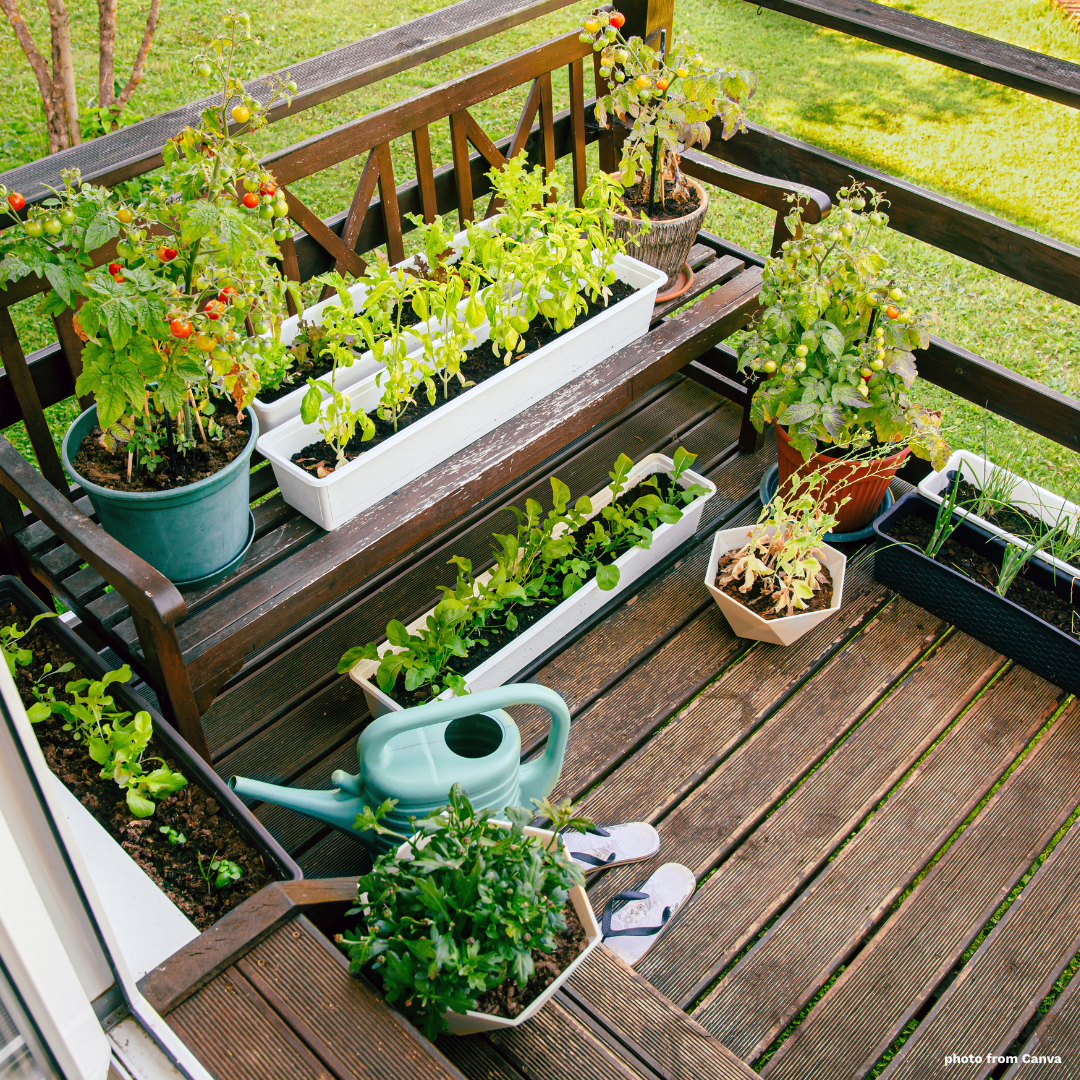
Good things come in little packages. If you have a deck, a little outdoor patio, even a railing, you can grow vegetables, flowers, herbs and fruit. Small space gardening is not just a current craze; it’s a well-established method of gardening. Containers or raised beds are two great ways to make the best use of every square foot. Which is best for your purpose?
Container gardens employ medium to large plots, and when filled with potting soil are low-maintenance, weed free, and easy to access gardens. Pots can be moved and replanted as crops are harvested. Containers can be anything from buckets to fancy ceramic pots, to accessible raised garden planters, depending on your budget, style, and your ability to store them. There are even railing planters that straddle deck railings.
Raised beds are built against the ground and contained by low walls which retain the soil. There are many raised bed kits, or you can build your own using materials like wood, metal, bricks, or composites. Raised beds benefit from contact with the ground, which has a moderating effect on the soil temperature. Raised beds use garden or “top” soil which can be amended over time with compost and mulch.
Using every square foot wisely means creating a planting plan that replaces those plants that have been harvested. There are numerous small space gardening books at your local library which outline a succession of vegetable plants from spring through late summer. You’ll also find resources on our May Plant Sale webpage. Some plants don’t need replacing: many herbs can be gently harvested in a way that allows them to continue growing, and cut-and-come-again flowering varieties produce new flowers on axillary buds. By careful selection, plant breeders have developed many vegetable varieties that produce fruit on compact plants often called patio vegetable: we’ll have a large selection of these at our May 9th Plant Sale, too!
Limitless possibilities? With a little imagination and research, small space gardening can incorporate dwarf varieties of trees and shrubs. Hanging baskets can hold strawberry plants up out of harm’s way. Containers can be stacked on risers for even more plants per square foot. If you don’t know where to start, here are some of our favorites:
“Patio Series” vegetable and other vegetables with names that include “little, l’il, fairytale, snackable" or similar diminutive words are especially selected to grow in containers on compact, bushy, or tumbling plants.
Dwarf native shrubs, like Aronia melanocarpa ‘Lowscape’ and Hydrangea quercifolia ‘Munchkin’ or ‘Pee Wee,’ are beautiful in containers, delighting with flower and fall color.
How about a Pizza Planter? Grow everything except the crust and the cheese with a planter full of oregano, basil and plum tomatoes.
How about a peach tree? There are several patio and dwarf peach varieties that do well in containers. Imagine reaching for a peach on your back deck or patio!
Avoid these common mistakes:
- Don’t put plants together that have different light and moisture requirements as one will thrive and the other will fail.
- Avoid using small pots: soil volume should be well over a gallon of soil, especially in sunny locations as the soil may dry out over the course of a day. One hot summer day could wipe out all your hard work!
- Don’t use topsoil in containers: use specially mixed potting soil that improves moisture retention and drainage. Top or garden soil is full of microorganisms that create soil structure. When you place them in a container, the higher heat and frequent dry cycles will kill them, and the soil will lose its structure and become compacted and “dusty."
- Avoid raised garden planters with soil depths less than a 12” to 14”. While elevated beds make it easier for those with mobility challenges, some designs have insufficient soil depth. In the heat of summer, roots are overheated in shallow soil and likely to dry out quickly.
Visit the MGV May Plant Sale
If you’d like to start your own patio garden, come to our MGV Plant Sale and Family Fun Day Saturday, May 9, from 8:30 a.m. to 12:30 p.m. at Putnam County Veterans Memorial Park in Carmel.
With a focus on gardening for food, there will be an array of vegetable containers and herb plants, perfect for those who want to plant a vegetable or herb garden utilizing a smaller space like a deck or patio. There will be 13 different types of basil including favorites like Genovese and spicy globe and the more herbal and fragrant Tulsi or holy basil. Compact vegetable plants like “pot-a-peno” jalapenos and Red Profusion tumbling tomatoes and heirloom tomato favorites like German Johnson, Black Krim and Carolina gold will be available as well. There will be a somewhat exciting addition to the tomato plants—Akoya, a striking cherry tomato that starts out black and ripens to red.
“Growing food in pots and patio beds turns any small space into a pantry, a classroom and a little act of resilience. When you snip herbs for dinner or fill a jar with home-canned salsa, you’re not just preserving food, you’re preserving seasons and stories,” said Ruby Koch-Feinberg, CCEPC agriculture and food systems coordinator. “Patio veggies are tiny powerhouses, gifting fresh flavor, beauty and a sense of control over what’s on your plate. A single tomato vine on the balcony can remind you every day that nourishment can start right outside your door!”
In addition, there will be a focus on native pollinators with plants, bulbs and perennials that sustain our region’s pollinators and wildlife. From native plants with unusual texture like fuzzy pussytoes (Antennaria plantaginifolia) and tall thimbleweed (Anemone virginiana), whose seedheads open into a downy puff, to big blousy bloomers like Adam’s Needle (Yucca filimentosa), the Plant Sale offers something for everyone’s landscape tastes and needs.
“This year as part of our commitment to creating habitat for pollinators and wildlife, we have increased the variety and quantity of native plants at our Plant Sale,” said Jennifer Lerner, senior resource educator. “From the spring-flowering Allegheny serviceberry to the fall-flowering white wood aster, gardeners can plan for a full season of pollinator favorites that are beautiful landscape plants too.”
Cornell-trained Master Gardener Volunteers will be on hand to answer questions about planting, nurturing and harvesting to help Putnam gardeners prepare for a successful growing season. And, there will be activities for children as part of our 4-H-run Family Fun Day, including educational displays, crafts and beloved pony rides!
“Some of our 4-H clubs will be helping to educate the public and showing off all they have been doing this year,” said Brandy Keenan, 4-H educator. “We will also have a simple craft children can make while they are waiting for mom or dad to finish shopping and, of course, pony rides. The collaboration between 4-H and the Master Gardeners is one of the things that makes CCE such a unique organization — where deep expertise and youth leadership come together to grow stronger communities.”
The event will be held rain or shine, under cover, at Putnam Veterans Memorial Park, 201 Gipsy Trail Road, Carmel, NY.
Keep Putnam Farming: Why Ag Districts Matter
by Ruby Koch-Fienberg, Ag & Food Systems Coordinator
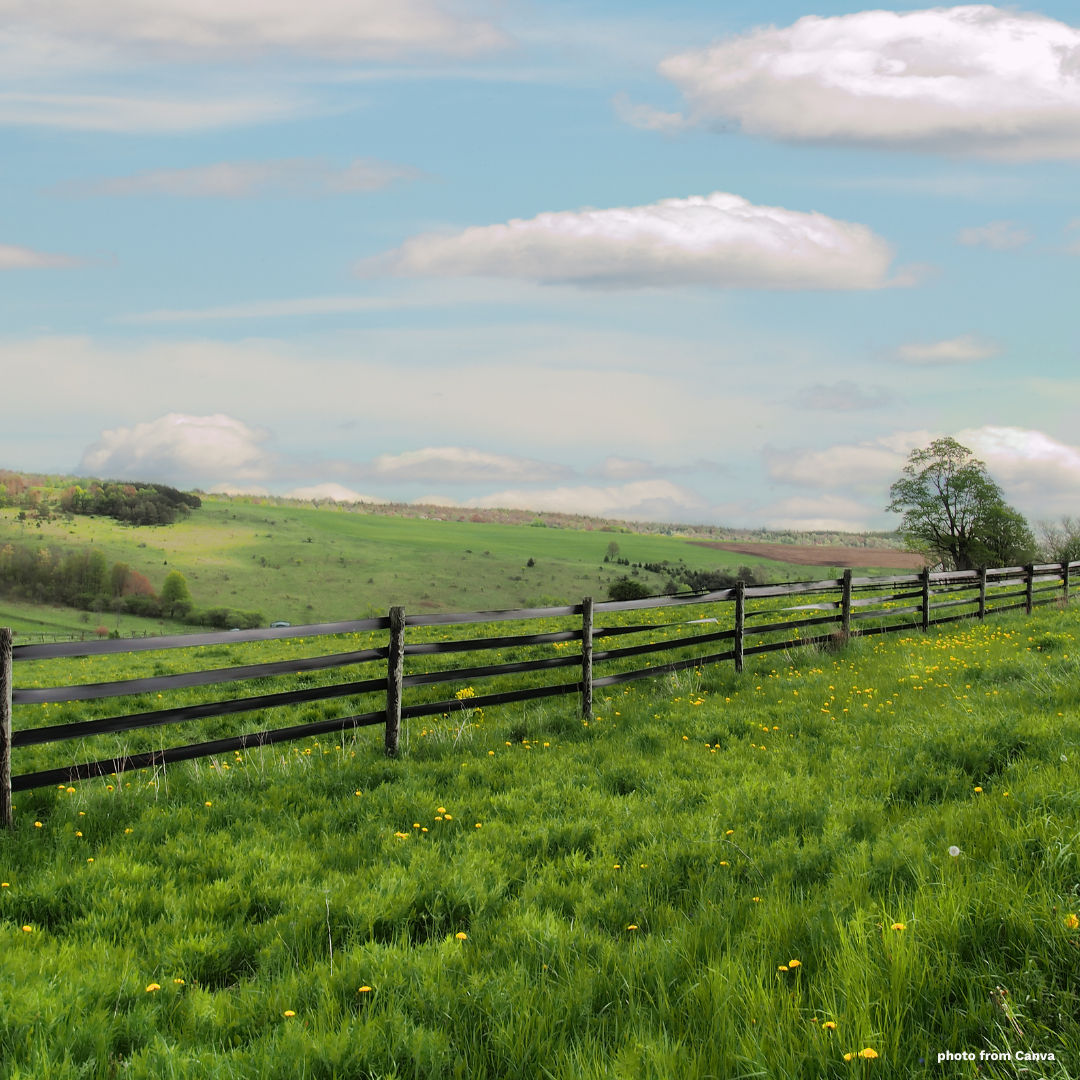
Drive across Putnam County and you’ll see hayfields, horses, vegetable plots, forestland, and farmstands woven in between homes and businesses. That blend is not an accident—it’s supported by our countywide Agricultural District, a New York State tool that helps keep agriculture viable while communities grow.
An agricultural district is a geographic area made up predominantly of viable farmland where agriculture is recognized as a priority land use. In Putnam County, the entire county is designated as one Agricultural District, and it can include actively farmed, idle, forested, residential, and commercial parcels. That flexibility allows working farms, woodlots, and rural residences to coexist while maintaining a critical mass of land suitable for agriculture.
Who Qualifies for District Benefits?
Not every parcel in the district automatically receives benefits; they apply specifically to land that meets the state’s definition of a “farm operation.” A farm operation can be one or more owned or rented parcels—contiguous or not—that together support the commercial production, preparation, and marketing of crops, livestock and livestock products, timber, compost and biomass crops, or commercial equine and horse boarding enterprises.
If you are selling products, boarding horses, growing timber, or producing crops or livestock as a business, your operation may qualify under this definition. Enrolling eligible land during the annual review period helps ensure you can access the full range of Agricultural District protections.
What Ag Districts Do—and Don’t Do
One of the biggest misconceptions is that being in an Agricultural District changes your taxes or locks your land into farming forever. It does neither.
Property taxes: Agricultural districts do not change your property tax bill. Agricultural value assessments (which can reduce taxes for qualifying farmland) are a separate program administered by your local assessor, and enrollment in the district does not automatically grant that assessment.
Zoning and land use: The district is not zoning and does not alter your property class. You still follow the same local zoning and permitting processes to build structures or change land use as any other property owner.
Future options: Being in the district does not prevent you from selling, developing, or changing the use of your property in the future.
Benefits for the Whole Community
Even if you don’t own a farm, you benefit from a strong Agricultural District. Agricultural land supports local food production, protects groundwater recharge areas, maintains open space and scenic viewsheds, and creates on‑farm jobs while supporting a network of agribusinesses.
From a fiscal standpoint, farms typically demand fewer public services than developed land, which can translate into cost savings for municipalities and taxpayers. In other words, every acre of active farmland can help balance community budgets while preserving the rural character that many residents value.
Annual Enrollment: April 1–30, 2026
Every county in New York State is required to designate a 30‑day period each year when landowners can request that viable agricultural land be added to an existing district. In Putnam County, that window is April 1–30.
If you operate a commercial farm or equine business—or are developing a new farm enterprise—this is your opportunity to ensure your eligible land is included and protected. If you are unsure whether your operation qualifies, or if you have questions about the application process or how the district works, please reach out to Ruby Koch‑Fienberg for guidance before you apply. Happy Farming!
Bug of the Month: Spring Beauty Mining Bee
by Janis Butler, Master Gardener Volunteer
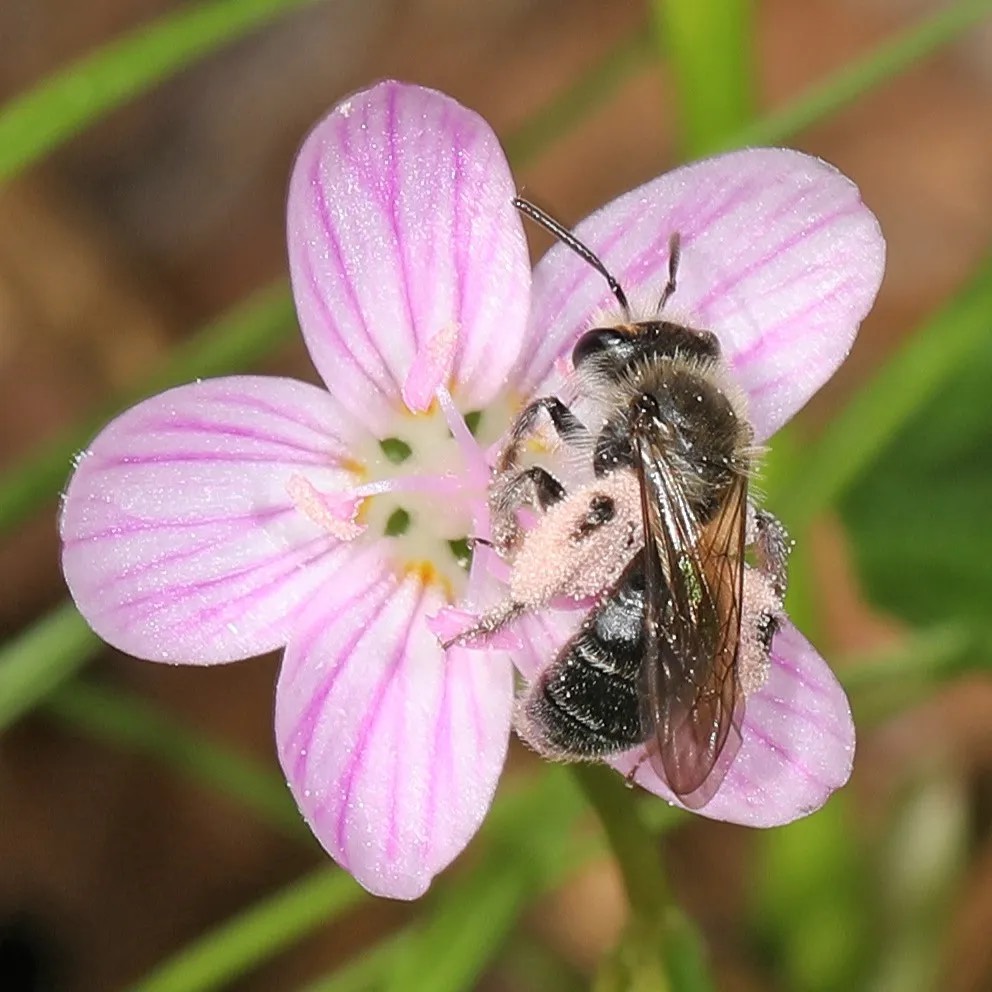
What color is pollen? You’re likely to think "orange," and you’d be right, because many flowers produce orange/yellow or off-white pollen. The Spring Beauty wildflower, however, provides pink pollen for a specialist bee that visits in early spring. The offspring of that bee, the Spring Beauty Mining Bee ( Andrena erigeniae), can only thrive on that specific pollen.
There are about 50 species of mining bee in New York State (1,500 worldwide) and most are specialists like Andrena erigeniae. Specialist bees are those whose offspring must have pollen from certain plants: a specific family or sometimes a specific genus that produces pollen with the exact formula of chemicals, nutritional value and physical structure with which they have evolved.
Andrena erigeniae’s life cycle is synchronized with the flowering times of these host plants. The study of relationships like this, known as phenology, is raising concerns because climate change is causing shifts in nature’s calendar that can result in the insects and the blooming plants to be out of sync.
Ideally, when the Spring Beauty ephemeral wildflower blooms, the Spring Beauty Mining Bee is ready. Both male and female bees emerge from the ground where they’ve spent the winter and mate just before the flower that shares their name begins to open. Spring Beauties bloom from late morning through about 2:30 in the afternoon on sunny days, closing at night and in bad weather, so that’s when these mining bees are busiest.
Life cycle
The life cycle of the mining bee takes about a year but only two to six weeks of that time is spent as an adult, mating, nesting, provisioning for its young and, incidentally, pollinating. The rest of the time is spent underground as an egg, larva or pupa.
The adults emerge in March to May and, after mating, the male dies and the female begins to work on the next generation. First she digs a tunnel underground, using her strong mandibles and front legs. Loose soil is easier to excavate but if the soil is compact or clayey, she crunches it with her mandibles, breaking it into small pieces. Once the soil is loosened, she moves it aside with her body and legs. As she digs deeper, she periodically pushes the soil to the surface, making small volcano-like mounds around the entrance.
We casually note that mining bees dig their tunnels several inches to several feet deep — that’s how they earned their common name — but how do they do this? Andrena erigeniae is only 1/4 to 1/3 inch long, the length of a grain of rice, so even a foot-long tunnel could be 48 times her body length, a major engineering feat. "Busy as a bee" indeed! Imagine a human digging a hole 48 times her body length, and without a shovel!
The main shaft is dug straight down, with side tunnels that will become the brood chambers for her eggs. In the process of digging, she uses a flat area on her abdomen to rub and polish the tunnel walls, secreting a shiny, silky substance which waterproofs the tunnel.
She then provisions each egg chamber with a ball of pink Spring Beauty pollen mixed with nectar, onto which she lays an egg. When the egg hatches, this food is waiting for the emerging larva. Mother bee makes about four pollen-collecting trips to make a single food ball, each trip lasting about a half hour. To gather the pollen, she encircles the stamens with her legs and rubs their pollen onto her body. For transportation back to the nest, she grooms the pollen onto her scopae (stiff hairs on her hind legs known as pollen bags). Like other mining bees, she also feeds on nectar from a variety of plant species during these excursions, satisfying her own energy needs. This foraging is highly weather-dependent, ceasing on cool, rainy, or cloudy days when flowers remain closed.
From above we see little mounds of soil, evidence of excavation, surrounding tiny entrance holes. Mining bees are solitary bees, meaning each bee constructs her own nest. But often large congregates of mining bees are attracted to the same area, and the tiny cones of excavated soil appear inches away from each other over a large area.
When the bee flies off to gather provisions for her soon-to-be-laid eggs, she must somehow remember which little volcano is hers! She spends several minutes on this mnemonic challenge, flying around the entrance to her tunnel in a figure-8 pattern, gradually getting farther and farther away from the entrance until she has a good picture of where her "door" is in the context of its surroundings. Nest recognition likely also involves olfactory and visual cues, aiding females in locating their own burrows amid aggregations.
Despite all her care, the nest is not a guaranteed safe place for her offspring. Cleptoparasitic bees (Nomada genus) sometimes invade nests to lay their own eggs and consume the provisions that the Spring Beauty Mining Bee has laboriously stashed.
Mining bees are gentle and harmless to humans. The females have stingers that are too weak to penetrate human skin. Their only defense is to retreat backward into their burrows, buzzing faintly, when threatened. The males have no stingers at all.
How can you help Spring Beauty Mining Bees?
Plant Spring Beauties. These lovely little plants like dappled shade and moist, rich, organic soil and are easy to grow.
Avoid using pesticides near flowering plants and potential nesting sites.
Don’t plant Norway maples ( Acer platanoides), which leaf out earlier that other trees in spring, preventing much-needed sunlight from reaching spring ephemerals like Spring Beauty. Norway maples also create shallow root systems that displace these and other spring wildflowers.
Photo: Judy Gallagher via Wikimedia Commons (CC BY 2.0)
Reduce Your Lawn: Plant Shrubs for Pollinators
by Jacqueline Merrill and Melissa Morini, Master Gardener Volunteers, Putnam County Pollinator Pathway
Why reduce your lawn?
Insect and bird populations have declined precipitously in the past decade due to loss of habitat, invasive species, pathogens, improper use of pesticides, and climate pressure. Homeowners have a role to play by adjusting their private landscapes to help mitigate stress on these creatures. One way is to reduce the size of our lawns. Lawns have their place in our landscapes, but does your landscape need an expansive lawn? Those velvety green expanses provide for a limited number of birds and insects.
Replacing lawn with meadow flowers and wild grasses is a popular approach, but native shrubs (shrubs that naturally grow in the northeast) are beautiful, low-maintenance alternatives that also benefit insects and birds.
Why shrubs?
Native shrubs provide garden interest in all seasons, and most offer excellent autumn color. Their flowers produce nectar for pollinator insects. Their foliage hosts insect larvae that in turn become the main food source for nesting birds. Their nectar, fruits, leaves and twigs provide food, nesting materials and cover from predators. Shrubs need less maintenance than meadows, can cover large areas, and make great screens and hedges.
How to do it
An existing planting on your property can be an anchor for an enlarged shrub border. Other possibilities might be a border along a wall or rock outcropping, or a grove of shrubs placed to break up an expanse of lawn.
After site selection, the first and most important step is evaluating the site conditions so you can plant shrubs that will thrive (a principle we call “the right plant in the right place”). Consider the sun and shade exposure, the moisture, drainage, and soil. A soil test is a good idea to determine your soil's nutrient levels, pH balance, and composition (proportions of minerals, organic matter, clay, sand, loam). It’s useful to notice what is growing well nearby to help you select shrubs suited to similar conditions.
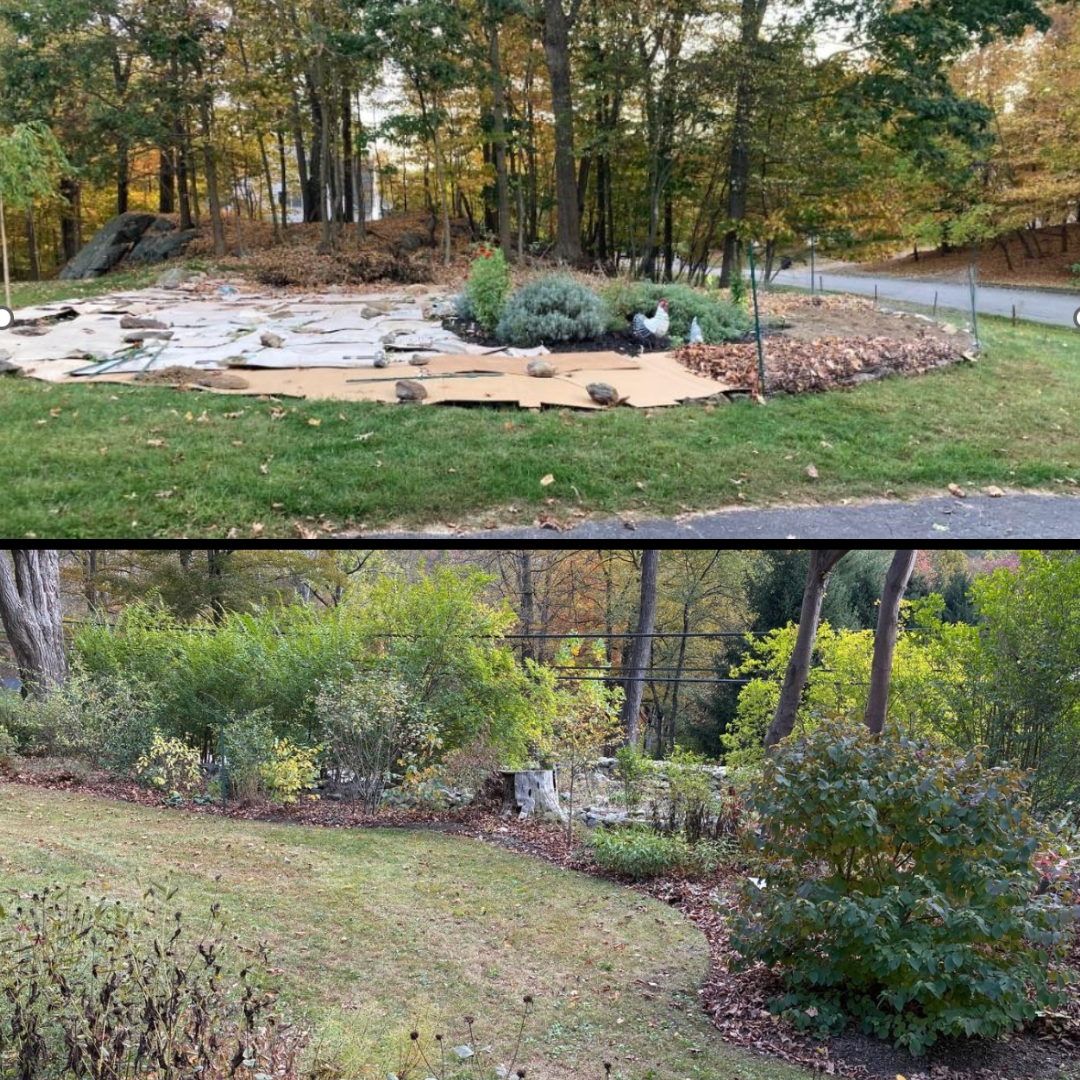
To prepare your site, eliminate the grass. Do this with a string trimmer, a mower on the lowest setting, or by manually digging. Cover the area with cardboard or several layers of newspaper, then, with 3 to 6 inches chopped leaves and/or grass clippings, cap with mulch, and water it in. Don’t worry about removing the grass roots, they will compost under this layer and add organic matter to the soil. In 4 to 8 weeks, the material will break down enough to be ready for direct planting. It’s especially effective to do this in fall or early winter in preparation for spring planting. Be aware that landscaping cloth is not the best method for grass suppression because the cloth interferes with soil health and is difficult to remove once shrubs start to grow.
Space the shrubs considering their mature size—generally about 3 feet apart. Native plants rarely need fertilizer or soil amendments, but compost and a dose of half strength transplant fertilizer can help them establish roots. Additional mulch or leaf mold will retain moisture and suppress weeds. Water regularly at first, usually for two growing seasons. While the shrubs are getting started, native ground covers or other herbaceous plants can give a lusher look.
Some native shrubs for various site conditions
Bearberry (
Arctostaphylos uva-ursi): This evergreen, low-growing perennial shrub can be effective as a ground cover. Its natural habitat includes rocky sites, open woods, dry areas, sandy hills and mountain ranges. Bearberry must have acidic, sandy and well-drained soil to thrive. It is low maintenance, prefers dry to moderate moisture and is drought tolerant. Bearberry is an important host plant for larva of the Hoary Elfin, Brown Elfin and Freija Fritillary butterflies. Its flower nectar and berries are food for pollinator insects and birds.
Arrowwood viburnum ( Viburnum dentatum): This native deciduous shrub tolerates a wide variety of soil and conditions, including shade with occasional drought or flooding, but will show its best growth in moist, well-drained soil and sun. The shrub is winter-hardy and valuable to wildlife. It provides nectar for pollinators, including native bees, late season berries and shelter for birds, and is a larval host plant.
Fragrant sumac ( Rhus aromatica) is a dense, low spreading groundcover or deciduous shrub especially useful on slopes. It reaches a height of 2 to 6 feet tall and 6 to 10 feet wide and is best grown in full sun to partial shade in moist to dry, well-drained soils. They prefer acidic soils but are tolerant of most soil types except for poorly drained areas. In spring they are speckled with cheerful yellow flower clusters. This plant is deer resistant.
Highbush blueberry ( Vaccinium corymbosum) is native to eastern North America. It can grow 6 to 12 feet tall. It is an upright, multi-stemmed, slow-growing deciduous shrub found naturally in bogs, swamps, and high elevation forests. Blueberries require acidic soils high in organic matter, and thrive in full sun (6 or more hours of direct sunlight a day) or partial shade (direct sunlight only part of the day, 2-6 hours). Vaccinium are considered “keystone” plants that are especially important for native ecosystems because they provide essential food and habitat for a great number of species.
Northern spicebush ( Lindera benzoin) is a deciduous shrub in the laurel family (Lauraceae). It is native to central and eastern United States and is found in bottomlands, dry forests, ravines, valleys, swamps and along streams. The easy-to-grow understory shrub prefers moist, well-drained soils in part shade. On average, it grows 6 to 12’ tall and wide. It flowers early, is a host plant for butterflies and is especially beloved by wood thrushes.
Shadblow serviceberry ( Amelanchier canadensis) is an early-flowering, large shrub or small tree in the rose family that is native to eastern North America. It is an understory shrub or small tree, often found growing 15 to 25 feet tall in clumps in swamps, bogs, lowlands, and thickets. This plant prefers part shade and moist well-drained sandy loam but is adaptable to both wet and dry sites and various soil types. Many birds, particularly the cedar waxwing, are attracted to its early season fruits.
Cockspur hawthorn ( Crataegus crus-galli) is noted for providing dense shade. It is native to many places in North America. This small tree grows 20 to 30 feet in height with a 9-inch trunk and produces both flowers and small red berries (haws). It grows well in average, medium moisture, well-drained soils in full sun, but will tolerate a wide range of soils, light shade, and some drought. Hawthorn flowers provide nectar for insects; its leaves are food for many moths, and its haws provide winter food for songbirds. It is a host plant for larva of the Gray Hairstreak, Red-spotted Purple, and Viceroy butterflies.
Visit us at the May Plant Sale, Saturday, May 9, for a large selection of native trees, shrubs and perennials. We’ll have something for every garden. And what’s even better, Master Gardener Volunteers are on hand to help you choose the right plant for your garden.
If you can’t make it to our plant sale, you’ll find more resources and articles like this on the Putnam Pollinator Pathway webpage: https://cceputnamcounty.org/gardening/putnam-poll...
References
Break up with your lawn, use cardboard to say goodbye with no regret. Kate Herrick, UCDavis Arboretum and Public Garden, March 2014.
Native Plants for Putnam County. Cornell University Cooperative Extension, Undated.
Plant Toolbox. North Carolina State University Extension, Undated. (use the search feature on the homepage of this site to find detailed information on all the plants described here)
"Right Plant, Right Place" - A Plant Selection Guide for Managed Landscapes. UMass Extension Landscape, Nursery and Urban Forestry Program, 2025.
Ways to reduce your lawn and plant an alternative. University of Maryland Extension, June 19, 2025.
Photos by the article's authors: (Top) Preparations for enlarging a small shrub bed, incorporating an existing small tree. The cardboard will be covered with leaves. In spring the bed will be ready for direct planting into the decomposed cardboard and leaves. (Bottom) Two-year-old shrub border along a stone wall, anchored by a pine stump and a mature viburnum.
Ag Literacy Week Promotes Importance of Agriculture Through Fun, Hands-On Lessons
by Brandy Keenan, 4-H Educator, adapted from New York State Agriculture and Markets
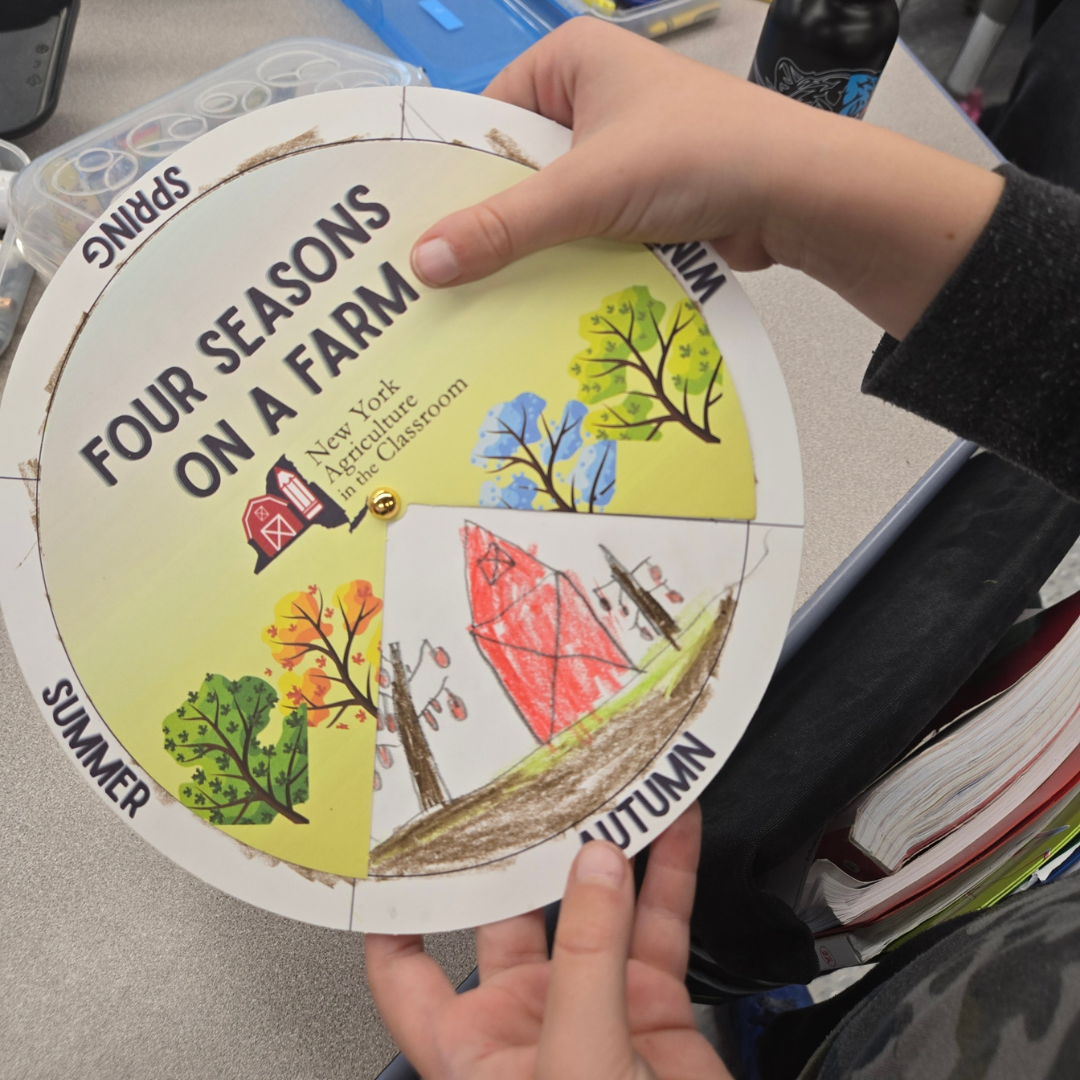
In celebration of New York agriculture, volunteers throughout New York State read a book with an agricultural theme to elementary students, with a focus on second-grade classrooms, and guided students through a hands-on activity to extend the learning. The book was then donated to the school library.
The 2026 featured book was “Seasons on the Farm,” a picture book that uses rhyme to illustrate the cycle of life on a family farm through spring, summer, fall and winter, covering activities like planting, harvesting and animal care by Chelsea Tornetto.
Several schools in our area participated this year with staff and Master Gardener Volunteers as the special readers. For many, it is the highlight of the year, and this year was no exception! Students enthusiastically talked about farms that they had visited with family and made connections between the different activities they do during the seasons (building snowmen, going on hayrides and apple picking, picking flowers, planting the garden) to what farmers do during the seasons (babies are born, crops are grown and then harvested, and repairs are made during the colder months). Ag Literacy continues to be a wonderful program, bringing agricultural education into the classroom.
The New York State Department of Agriculture and Markets highlighted a record year for Agriculture Literacy Week, organized by the Agriculture in the Classroom Program, with more than 105,000 students in nearly 4,000 classrooms participating in the weeklong celebration of New York agriculture. State Agriculture Commissioner Richard A. Ball and nearly two dozen department staff members joined approximately 7,000 volunteers across the state to educate students about the importance of agriculture and opportunities for careers in the industry by visiting classrooms and engaging with students through an agricultural-themed book reading and hands-on activities.
“Agricultural Literacy Week is one of my favorite times of the year, and I can’t think of anything more important than this opportunity to reach our young people and share with them the story of New York agriculture,” Commissioner Ball recently stated. "As commissioner, and as a farmer, I have long been committed to doing what I can to make sure that our children know where their food comes and how its grown, and by participating in Ag Literacy Week, we can all bring agriculture into the classroom, perhaps sparking a students’ interest and inspiring these young minds to consider agriculture as a future career.”
To learn more about NYAITC and Agricultural Literacy Week, including a list of previous years’ books, visit newyork.agclassroom.org/programs/literacy.
Expanding Agricultural Education Throughout New York State
Supporting agricultural education and workforce development is a priority for New York State and the Department of Agriculture and Markets as introducing young people to the importance of local agriculture and the food system early on is critical to developing a pipeline of future agricultural leaders. New York State has more than 400 agricultural teachers across the state; it has nearly 200,000 4-H students in every corner of the state; and New York FFA is growing faster than any other state.
To build on these successes and further access to agricultural education, continued funding for the successful New York Agriculture in the Classroom program is helping educators with integration of agricultural education into the public-school curriculum, ensuring students gain valuable knowledge and hands-on experience.
About New York Agriculture in the Classroom
Established in 1985, New York Agriculture in the Classroom is a partnership of Cornell University, the New York State Department of Agriculture and Markets, the New York State Education Department, Cornell Cooperative Extension and the New York Farm Bureau.
Its mission is to foster awareness, understanding, and appreciation of how food and fiber are produced, what we eat and how we live, by helping educators, students, and their communities learn about and engage with agriculture and food systems. Learn more at agclassroom.org/ny.
Celebrate Warmer Weather with Spring Vegetable Soup

from Josephine Quiocho, Nutrition Educator
Enjoy this tasty soup with your favorite whole grain bread sandwich. The recipe doubles easily if you need to accommodate a large family or group.
Ingredients
- 1 tablespoon extra virgin olive oil
- 1/4 red cabbage (medium head, about 2 cups, finely shredded)
- 2 ripe tomatoes (medium, seeded and chopped)
- 1/2 cup canned artichoke hearts (drained and chopped)
- 1 cup green peas (frozen or fresh)
- 2 1/2 cups vegetable juice (low-sodium)
- 1 cup water
- 2 teaspoons dried basil
- salt and pepper (to taste, optional)
Directions
1. In a large soup pot, heat oil over medium heat. Sauté cabbage, tomatoes, artichoke hearts and peas for 10 minutes.
2. Add vegetable juice and water.
3. Bring to a boil.
4. Reduce heat, add basil and simmer for 10 minutes, or until all vegetables are tender and soup is piping hot.
5. Add salt and pepper to taste.
6. Serve in individual serving bowls.
7. Refrigerate leftovers within 2 hours.
Find the recipe at SNAP-Ed NY: https://snapedny.org/recipes/spring-vegetable-soup/


Last updated March 31, 2026

Second Chance Foods
So many of our programs are done in partnership with wonderful organizations!
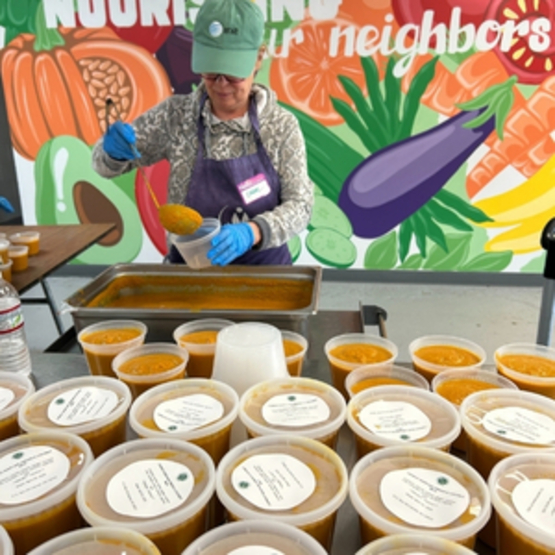
In 2022, Cornell Cooperative Extension of Putnam (CCEPC) and Second Chance Foods in Brewster partnered to stock freezers with easy-to-access, nourishing and delicious grab-and-go meals made fresh in Second Chance Foods' kitchen.
The Bountiful Meals program provides meals for seniors and other individuals where current supportive services fall short. Putnam County Senior Centers offer weekday lunches, leaving seniors without resources for dinner or weekends. Freezers at our county's senior centers allow senior citizens to bring home frozen meals.
But we didn't stop at our county's senior citizens. Many residents of the county have limited incomes. Bountiful Meals also addresses these gaps by offering nutrient-dense free meals at libraries and other locations throughout Putnam. The model also offers meals without needs assessment or eligibility requirements. Residents can just take what they need.
The meals are crafted by the amazing team at Second Chance Foods. Visit their website to discover how they’re making a difference in addressing local food insecurity and reducing food waste.
In 2025, through this wonderful partnership, 32,901 free meals were delivered by volunteers to CCEPC Bountiful Meals freezers countywide!
Thank you to all the wonderful people at Second Chance Foods and to the volunteers who deliver meals to all of our locations!
Photo courtesy of Second Chance Foods.
April is ...

Global Astronomy Month
Global Astronomy Month is organized by Astronomers Without Borders. It is a global celebration of astronomy that brings enthusiasts together worldwide to share the joy of stargazing, science and space exploration. Activities during the month include worldwide star parties, live streams of planets and other events. April also includes Dark Sky Awareness Week (April 13 through April 20), drawing attention to light pollution and promoting simple solutions to minimize the issue.
Source: Astronomers Without Borders
Keep America Beautiful Month®
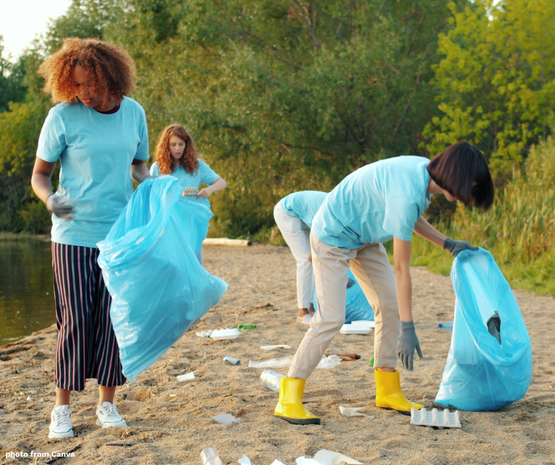
Keep America Beautiful® Month celebrates the work led by 700 state and community-based affiliates, local partners, businesses, public officials and millions of volunteers. During the month, groups volunteer for the Great American Cleanup® and other community events that help clean and care for their communities. One fun way to get involved might be to try out a fitness craze known as plogging that integrates the collection of litter while jogging.
Source: Keep America Beautiful
National Pecan Month
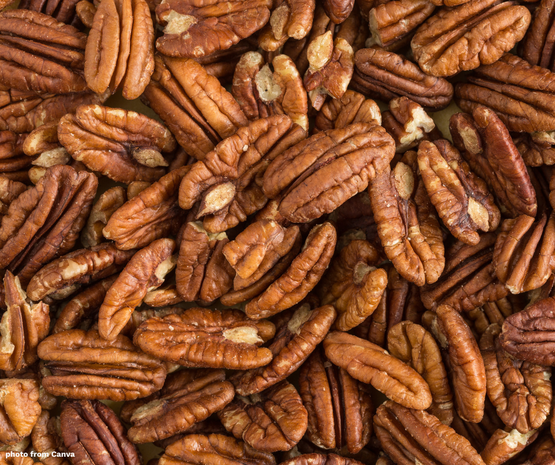
National Pecan Month celebrates the only nut indigenous to North America. Pecans are certified as heart healthy as a part of the American Heart Association. Just a handful of pecans a day can help to lower cholesterol and contains more than 19 vitamins and minerals. Celebrate by grabbing a handful of pecans or trying a new recipe!
Source: National Pecan Shellers Association

Stress Awareness Month
National Stress Awareness Month is an annual campaign that began in 1992. It is designed to increase public awareness about the causes, effects and management of stress. It highlights the dangers of chronic stress—including anxiety, depression and heart disease—and promotes healthy coping strategies to improve mental and physical well-being.
Source: The American Institute of Stress
Protect Yourself from Ticks
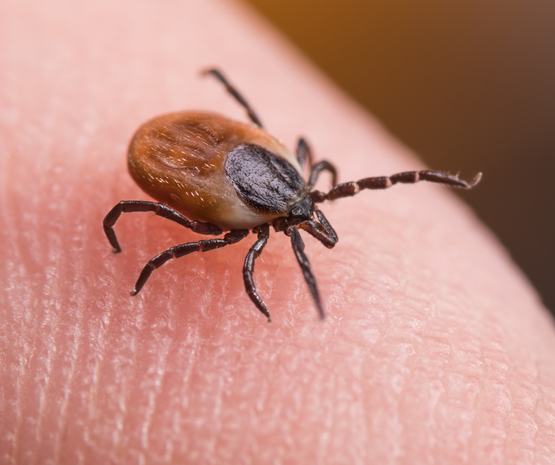
It’s time to enjoy the great outdoors. But news headlines regarding tick borne diseases may give you pause. Take a few steps to protect yourself from ticks and continue to enjoy all that nature has to offer.
According to Cornell IPM, “Ticks walk very lightly on your skin, and use an anesthetic to prevent you from feeling their bites. You can't count on feeling a tick crawling on you or even biting you so it’s important to protect yourself from exposure.”
From protecting clothing, to repellent sprays, and the most important “tick check” learn about all the steps you can take to protect yourself, your family, and your pets from tick bites here at the Cornell Integrated Pest Management’s “ Protect Yourself from Ticks ” and on our website for “Tick Talk”
DEC Announces Start
of Trout Fishing Season
from New York State DEC New York State Department of Environmental Conservation
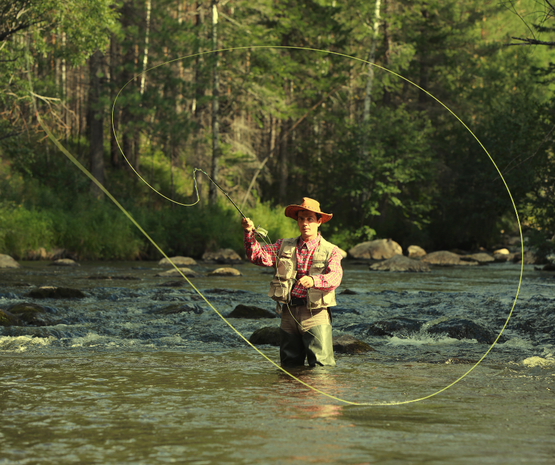
Spring trout season has officially opened (April 1) with many excellent angling opportunities for wild and stocked trout throughout the county and the state.
"New York’s season opener is a welcome sign of spring for trout anglers,” New York State Department of Environmental Conservation Commissioner Amanda Lefton said. “I encourage anglers to introduce someone new to recreational fishing this year and enjoy Getting Offline and Getting Outside to experience some of the greatest freshwater fishing opportunities in the nation."
Spring Trout Stocking
DEC trout stocking is in full swing with more than 1.7 million catchable-size brook, brown, and rainbow trout stocked in waters across the state from mid-March through early June.
Drought conditions at Catskill Fish Hatchery during the late summer and autumn of 2025 reduced the water supply to a level that inhibited brown trout growth. Therefore, on average, yearling trout from this facility will be shorter than the 9-inch target size at stocking. Growth rates can be expected to recover at Catskill Fish Hatchery with normal rainfall.
Stocked-Extended streams, specified in the Inland Trout Streams Regulations section of the Freshwater Fishing Regulations Guide, will receive fish every other week for two months to provide season-long opportunities for angler success. Most stream stockings include larger trout (12 inches or more) as 10 percent of the total number. Spring trout stocking lists, including the scheduled week of stocking for trout streams, can be found on DEC's website.
Trout Stream Fishing Opportunities
The popular Trout Stream Fishing Map on DECinfo Locator allows anglers to view trout stream reaches, color-coded by management category, as well as fishing access associated with those reaches. Links to the Trout Stream Fishing Map and a User Guide are available on DEC's website.
Anglers can also use their smart phones to find trout fishing opportunities around the state by accessing the Tackle Box feature in DEC’s HuntFishNY app. The Tackle Box provides one-stop-shopping for information on access sites, stocking, regulations and more. Information on how to download the app can be found on DEC’s website. Anglers are encouraged to check out these valuable resources when planning their next fishing trip.
Recreational fishing supports Governor Hochul's “Get Offline, Get Outside” initiative promoting physical and mental health by encouraging New York’s children and families to put down their phones and computers, take a break from social media, and enjoy recreation and outdoor social gatherings. One of the ways teens and youth can find ideas to get offline is through DEC’s Get Offline, Get Outside Challenge, which offers 50 fun and interesting activities for youth to complete by the age of 19.
To help make fishing more affordable and help inspire the next generation of anglers, DEC has also partnered with libraries across the state to provide a Fishing Rod Lending Program. While borrowing a book, library patrons can sign out a fishing rod. This program offers an opportunity for people to try fishing before deciding to purchase their own gear. For more information and a list of the more than 80 participating libraries, visit DEC’s website.
Safe Fish Consumption
The New York State Department of Health (DOH) provides advice to anglers about what fish are safe to eat and how often. Visit DOH’s website to search by waterbody location.
2026 Freshwater Fishing Regulations Guide and Buying a License
A digital version of the new guide is available to download on the DEC website. Hard copies of the guide are available wherever sporting licenses are sold. For locations visit the DEC website.
Renewing or buying a fishing license for the first time is easier than ever. Anglers can call, go online, or visit their nearest license issuing agent. When purchasing a license, anglers can also consider purchasing a Habitat & Access Stamp for just $5. This small donation directly supports habitat restoration projects and recreational access to New York’s public lands.
Beginning Farmer Grants Available
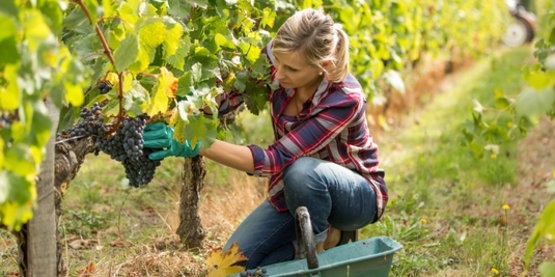
The New York State Department of Agriculture and Markets, in collaboration with the New York Farm Viability Institute (NYFVI), announced that $1.7 million is now available through the second round of the Beginning Farmer Grant Program.
The program offers support to New York farmers with 10 years or less of farm operation experience who will be engaging in operating a farm within the state. This grant will provide funding to address a wide range of farming needs, including start-up expenses, operational costs and other essential investments.
“The New York Farm Viability Institute is excited to again partner with the New York Department of Agriculture and Markets to offer a second round of the Beginning Farmer Competitive Grant Program," Executive Director of New York Farm Viability Institute Aaron Ristow said. "In the first round, we heard directly from beginning farmers about how this support helped them make real progress on their farms. With double the original funding available, we are eager to reach even more beginning farmers and strengthen farm businesses and rural communities across New York State.”
Administered by the NYFVI, the 2026 Beginning Farmer Grant Program’s goal is to assist beginning farmers who produce any type of agricultural product with the financial costs associated with the creation or expansion of a new farm operation. Specifically, the program will help offset costs associated with the start-up, improvement, or expansion of a farm operation; the purchase of agricultural land and physical structures; the purchase of machinery, equipment, or livestock; the construction or improvement of physical structures, including semi-permanent structures; worker or apprenticeship training; and marketing activities.
A total of $1.7 million is available through this second round, with awards ranging from $5,000 to $50,000 and $50,001 to $200,000, based on project complexity and duration. All projects will require a 5 percent match, regardless of funding amount. Applicants must demonstrate the potential for the project to grow their business and improve financial sustainability. Any applicant whose farm generated less than $1,000 in the previous year must provide a business plan.
Applications will be available through June 14, 2026. Additional details on the program and upcoming informational webinars can be found here: 2026 Beginning Farmer Competitive Grant Program – NYFVI.ORG
The Beginning Farmer Grant Program was funded in the FY2023-2024 and FY2024-2025 NYS Enacted Budget and builds upon the State’s priority to expand opportunities in agriculture to more New Yorkers through programs such as the Socially and Economically Disadvantaged Farmers Grant Program, the Urban Farms and Community Gardens Grant Program, and continued funding for Minorities in Agriculture, Natural Resources, and Related Sciences (MANRRS), the enhanced FreshConnect Fresh2You initiative, the Farmers’ Market Nutrition Programs, New York Food For New York Families and many more.
Private Well Testing and Rebate Pilot Launched by State
from Putnam County Health Department
Putnam County residents who rely on private wells now can apply for free well water testing for per- and polyfluoroalkyl substances (PFAS). The New York State Private Well PFAS Testing and Mitigation Rebate Pilot Program began accepting applications from Putnam County residents in March. Residents who have PFAS levels above New York State drinking water standards are eligible to apply for a rebate up to $5,000 for installing an in-home treatment system or up to $10,000 for connecting to a public water supply.
More information about the program, including other participating counties as well as who can apply and how, can be found on the New York State Department of Health’s website at health.ny.gov/PrivateWellPFAS.
Anyone with questions about the program is encouraged to review the Frequently Asked Questions about the pilot program at https://www.health.ny.gov/environmental/water/drinking/privatewellspilot/faqs.htm or contact the New York State Department of Health by calling 800-616-9275 or emailing PrivateWellPFAS@hrpassociates.com.
Helpful Links
28th Annual Orange County 4-H Calf & Livestock Sale
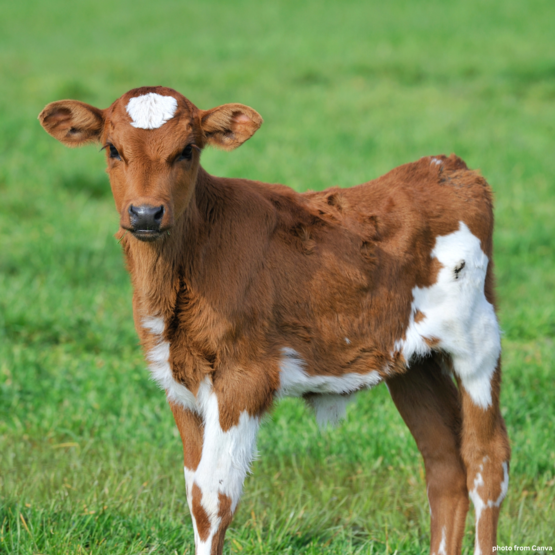
Don’t miss out on the upcoming 28th Annual Orange County 4-H Calf & Livestock Sale that is set to take place Saturday, May 9, from 5 to 9 p.m. at the Education Center & 4-H Park in Otisville.
CCE Orange's 4-H program has changed over the years to include a variety of livestock projects. Hence, they have expanded this event beyond dairy to include those youth. The sale provides a great opportunity for local dairy and livestock farmers, homesteaders, agricultural businesses and those interested in agriculture to get together, network and promote their agricultural businesses and practices.
Through this fundraising event the Orange County 4-H dairy & livestock programs are able to provide programming and other educational opportunities to 4-H members. The Orange County 4-H Program offers many experiences and opportunities to its members from educational contests, workshops/seminars, project meetings and trips to working with local farmers and taking care of project animals, leadership skill development, community service and more.
Every year, parents, volunteers, agriculture businesses and partners help CCE Orange County to hold this fundraising event. The 4-H program is providing youth in Orange County a chance to learn about agriculture and develop career ready skills.
For information, contact Zoe Nafis at CCE Orange County at 845-344-1234, ext. 258.

CLICK HERE and become a part of our efforts
to build our new home at Tilly Foster Farm!
Tidbits
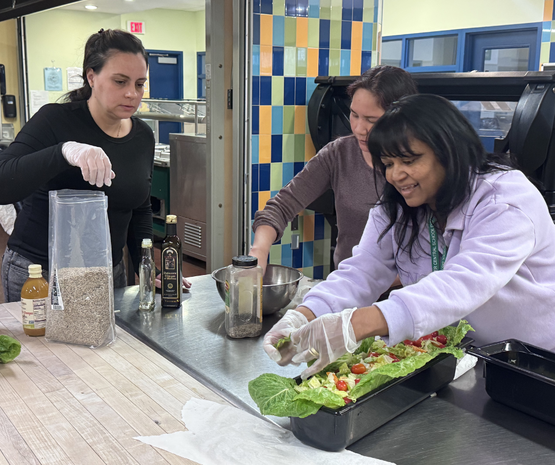
Food Service Staff Show Off Talent During Cooking Challenge
For this year’s annual Superintendent’s Day training, food service staff from Brewster Central School District brought energy, creativity, and purpose to an interactive session on reimbursable meals and behavioral economics—two key drivers of student health and successful school meal programs.
In a lively, team-based cooking challenge, Josephine Quiocho, SNAP-Ed Nutrition Educator for Putnam County, guided staff in creating meals from scratch that met reimbursable meal standards—aligned with nutrition guidelines from the United States Department of Agriculture and eligible for federal support through programs like the National School Lunch Program and School Breakfast Program. Teams also designed eye-catching signage, applying behavioral economics strategies to make their healthy meals more appealing and accessible to students.
The room was filled with laughter, friendly competition, and innovation—but the impact goes far beyond the day’s activities. By strengthening both culinary skills and presentation techniques, staff are better equipped to ensure that Brewster’s nearly 3,000 students not only have access to nutritious meals, but are excited to choose, eat, and benefit from them every day.
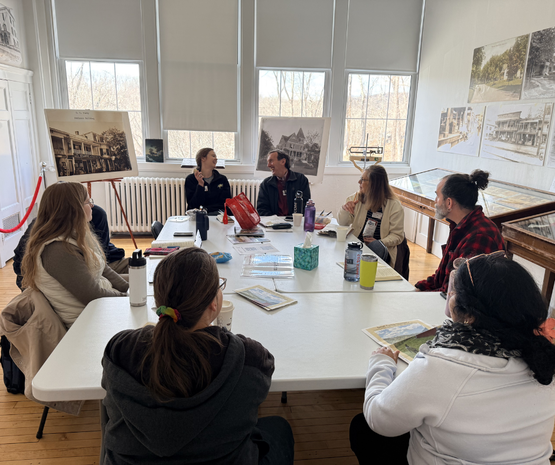
Aspiring Farmers Day Offers Learning and Networking
The Aspiring Farmers Day workshop buzzed with energy as newer and seasoned farmers packed into the North Salem Community Center for a lively day of learning and connection. Folks bounced between sessions on farm business planning, veggies, berries, grapes, poultry, and small ruminants, and popped into office hours to pick the brains of agency staff about funding, land, and resources. The bring-your-own networking lunch turned into a bustling farmer meetup, with newer growers trading questions and laughs with long-time producers like DIG Farm, Pro-Brothers Farm, and Sugar Shack Creamery around every table. Fun fact: more than one person said they’d come back just for the lunch conversations. People headed home tired, inspired, and ready to take bolder next steps on their farm journeys.
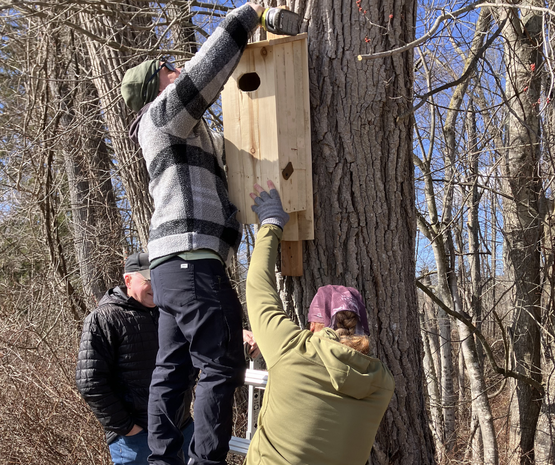
Counting Birds and Installing Bird Boxes at Tilly Foster
Joined by Soldiers2Scientists, Dwyer Vet2Vet and Bedford Audubon, CCE Putnam County checked out migrating birds passing through the area on the way to their summer nesting quarters. Tilly Foster Farm’s fields and forests offered diverse viewing opportunities for observing these awesome creatures. In addition to bird counting, the group placed a number of bird boxes around the farm including those for wood ducks and kestrels!
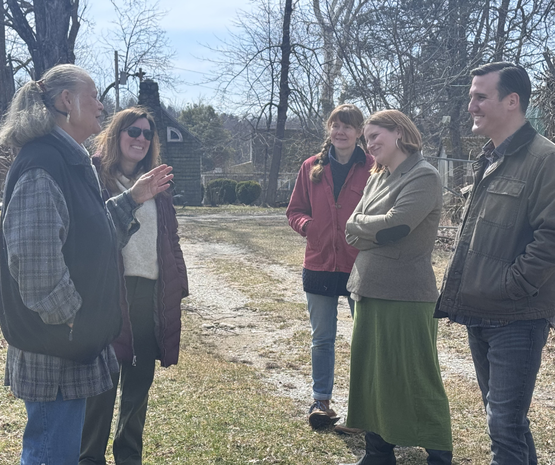
Putnam County and CCE Celebrate National Ag Week with Farm Visits
Putnam County Executive Kevin Byrne invited staff from CCE Putnam to visit Lobster Hill Farm and Ryder Farm to help celebrate National Agriculture Week. Jessica Jarrett of Lobster Hill Farm led the group on a tour of her 75-acre regenerative livestock farm in Brewster, where she described how they raise dairy goats and pastured poultry for meat and eggs, along with other pasture-raised meats. Staff from CCE and the county met pigs and goats and even had the chance to bottle feed the new goat kids. At Ryder Farm, Elizabeth “Betsey” Ryder talked about her family’s long history on the farm and took everyone on a walk through the fields and surrounding woods along a path that ends at Peach Lake.
CCE Scholarship Opportunities
CCE Putnam County is offering several scholarship opportunities for graduating seniors who live in Putnam County. Applications for all scholarships are due April 30.
The Master Gardener Volunteers Scholarship is sponsored by the Master Gardener Volunteer program of CCEPC and will award one $1,000 scholarship to an individual pursuing a degree in the field of Plant Science, Horticulture, Floriculture, Architectural Landscape Design, Forestry, Botany or environmentally related program.
The Hebe Gordon 4-H Scholarship is administered by CCEPC. One scholarship of $500 will be awarded to a young person who has been actively engaged in the 4-H Horse or Animal Science Club Program for at least three years.
The William C. Nichols 4-H Memorial Scholarship is sponsored by the Family of William C. Nichols and administered by CCEPC. There is one $1,000 scholarship awarded to an individual who has been part of 4-H for three years and demonstrates leadership and community engagement through 4-H, school and other organization activities.
All awardees will receive their scholarship money after completion of the first semester of college and after submitting a copy of the semester’s transcript to CCEPC.
Learn more about our scholarships on our website. Apply HERE.
At a Glance ...
Salamander Stroll
at Clearpool Model Forest
Saturday, April 11
9:30AM-12:30PM
Clearpool Model Forest
33 Clearpool Road, Carmel
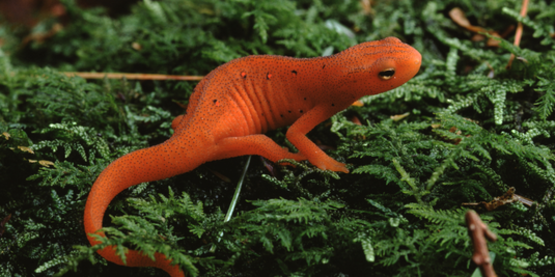
Join CCE Putnam Master Gardener Volunteers and CCE Columbia-Greene as we explore the Clearpool Model Forest in search of salamanders and other amphibians.
During this family-friendly hike, we will discuss the different species of salamanders, frogs and toads that call our area of New York home and what we can do to support their continued survival.
We will also learn about a research project taking place in the Model Forest by Dr. Rebecca Pinder of SUNY Columbia-Greene to monitor, count and identify salamanders and study forest health regionally
Suggested Donation: $5
Register HERE.
.png?1774893665)
Chick Chat at Tilly Foster Farm
Wednesday, April 15
6-7:30 PM
Tilly Foster Farm
100 Route 312, Brewster
Join CCE Putnam 4-H Educator Brandy Keenan and Jenna Sadecki of Agriventures Agway for Chick Chat.
This family-friendly introduction to raising a backyard flock will include breed selection for various purposes, housing and infrastructure requirements, feeding and nutrition basics, flock health management and navigating local regulations and zoning.
There will be an activity for children.
Light refreshments will be served.
Fee: $20
Register HERE.
Training for FAMACHA Certification 2026
Thursday, April 16
12-3PM
CCEOC Education Center & 4-H Park
300 Finchville Turnpike
Otisville, NY
Hosted by CCE Orange, Sullivan, and Ulster Counties
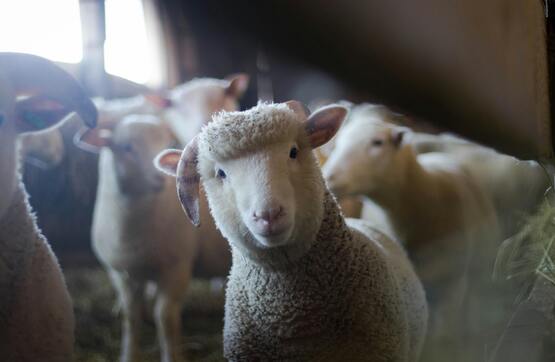
Attention all sheep and goat producers, 4-H and FFA members, and livestock operation owners!
Learn how to use the FAMACHA system to identify anemia in sheep and goats and make informed deworming decisions. FAMACHA is a management tool that allows producers to selectively treat sheep and goats by identifying animals showing signs of anemia. Anemia is commonly caused by barber pole worm ( Haemonchus contortus), the primary internal parasite affecting grazing small ruminants in the United States. This hands-on training focuses on managing barber pole worm, reducing unnecessary treatments, and improving herd health.
What participants will learn:
- How the FAMACHA system works
- How to score sheep and goats correctly
- When treatment is needed—and when it isn’t
- How targeted deworming helps slow parasite resistance
- Best practices for pasture-based parasite control
Fee: $25 per person/farm
Register HERE.
.png?1774446365)
Earth Day Tree Planting
at Tilly Foster Farm
Wednesday, April 22
2-5 PM
Tilly Foster Farm
100 Route 312, Brewster
Receive a free tree Seedling!
Join us for Earth Day 2026 at the Restore & Regenerate Forest to start us off with a planting of native trees and shrubs.
Native plants provide habitat for insects, birds and other wildlife: planting one will provide habitat for them.
We’ll teach you how to plant and care for a bareroot seedling. Tools will be provided for hands large and small. You’ll even go home with a free native tree or shrub to plant in your landscape or forest!
This is a family friendly event; children are welcome with an attending adult.
Fee: Choose to pay $0, $10 or $20
Register HERE.

2026 May Plant Sale
Saturday, May 9
8:30AM-12:30PM
Putnam County Veterans Memorial Park
201 Gipsy Trail Road, Carmel
The plant sale will feature a huge selection of bulbs, herbs, container garden vegetables and native plants that support pollinators, picked by Master Gardeners for Putnam County gardens. Carefully chosen vegetable seedlings will be available singly or in multi-packs to allow gardeners try several different varieties. The sale will also include garden favorites such as colorful perennials, summer-flowering bulbs, native pollinator plants and herbs. Pre-planted vegetable garden containers will be available for that perfect Mother’s Day present. The proceeds from this charity event fund numerous CCE-Putnam programs.

Designer Handbag Bingo Fundraiser
Sunday, May 17
1-4PM
VFW Post 174
32 Gleneida Ave., Carmel
Join us for an afternoon of fun with friends to benefit the Cornell Barn and Education Center at Tilly Foster Farm! We'll have designer handbags from Kate Spade, Michael Kors, Coach and more!
Light refreshments will be served (water, coffee/tea and cookies). Ticket includes eight rounds of Bingo and a door prize. There will also be additional Bingo cards, Ultimate Bingo, raffles and a 50/50 for purchase at the event!
Fee: $50
Register HERE.

Simple Food Safety Steps for Spring Holiday Meals
from USDA
Spring holidays bring families and friends together for Easter ham, Passover brisket, and Mother’s Day egg-based brunch dishes. As consumers across America prepare these traditional meals for large gatherings, following basic food safety practices can help reduce the risk of foodborne illness.
“Spring holidays are about cherished traditions—sharing Easter ham, Passover brisket, or a Mother’s Day brunch with those you love,” said Under Secretary for Food Safety Dr. Mindy Brashears. “Don’t let foodborne illness spoil these special moments. Keep your loved ones safe by following the U.S. Department of Agriculture’s (USDA) Four Steps to Food Safety when preparing your favorite holiday meal.”
USDA encourages consumers to follow these food safety tips during Easter, Passover and Mother’s Day:
The Danger Zone
- Bacteria multiply rapidly between 40 degrees F and 140 degrees F. This temperature range is called the Danger Zone.
- Food should not be left in the Danger Zone for more than two hours (called the two-hour rule). After two hours, bacteria can reach dangerous levels that can cause foodborne illness.
- Perishable foods, such as ham slices, brisket, and deviled eggs, should be discarded if left out for longer than two hours in the Danger Zone.
Ham is a popular choice for Easter meals. There are many different types of hams available and knowing ham is ready to eat or requires cooking before consumption matters.
- Ready-to-eat hams are fully cooked at the processing plant and can be reheated or safely eaten cold without additional cooking. Look for the USDA mark of inspection and “Fully Cooked” on the packaging. Reheat these hams to 140 degrees F and follow the manufacturer’s instructions when available.
- Cook raw, fresh, and uncooked hams to a safe minimum internal temperature of 145 degrees F, as measured with a food thermometer. Remove from heat and let rest for three minutes before carving.
- If a ham says “Cook Thoroughly” on the packaging, follow all manufacturer’s instructions and use a food thermometer to ensure the ham has reached a safe minimum internal temperature of 145 degrees F with a three-minute rest.
More information at Hams and Food Safety.
Brisket is a flavorful cut of beef, known for its rich taste and tenderness.
- Allow enough time to thaw frozen brisket safely in the refrigerator. Thawing can take about 24 hours for a trimmed, first-cut brisket, while a whole brisket weighing about 10 pounds can take several days.
- Bake the brisket, fat side up in a baking dish, in an oven set no lower than 325 degrees F. Brisket is safe to eat when it reaches an internal temperature of 145 degrees F and is allowed to rest at that temperature for three minutes.
More information at Beef from Farm to Table.
Lamb is another traditional spring holiday dish.
- Cook a leg of lamb and other cuts to a safe minimum internal temperature of 145 degrees F as measured with a food thermometer.
- Cook ground lamb to a safe minimum internal temperature of 160 degrees F.
Consumers are also reminded to refrigerate leftovers within two hours to help prevent harmful bacteria from multiplying.
More information at Lamb from Farm to Table.
Eggs and egg dishes are commonly served during spring holidays and brunch gatherings.
- All egg dishes should reach a safe minimum internal temperature of 160 degrees F, as measured by a food thermometer.
- Eggs intended for eating should not sit out at room temperature for more than two hours. Keep hard-cooked eggs in the refrigerator until ready to serve.
- If you plan to eat decorated Easter eggs, use only food-grade dye. Consider making two sets of eggs, one for decorating and hiding and another for eating. For egg hunts, use non-food decorative eggs instead of eggs intended for consumption.
More information at Shell Eggs from Farm to Table.
Questions? Explore resources on the Spring Holiday Food Safety Guide, a one-stop guide to cooking, serving, and storing a safe holiday meal.
.png?1774972231)