Happenings June 2026

June 2026
Fireflies: Sparks in the Dark
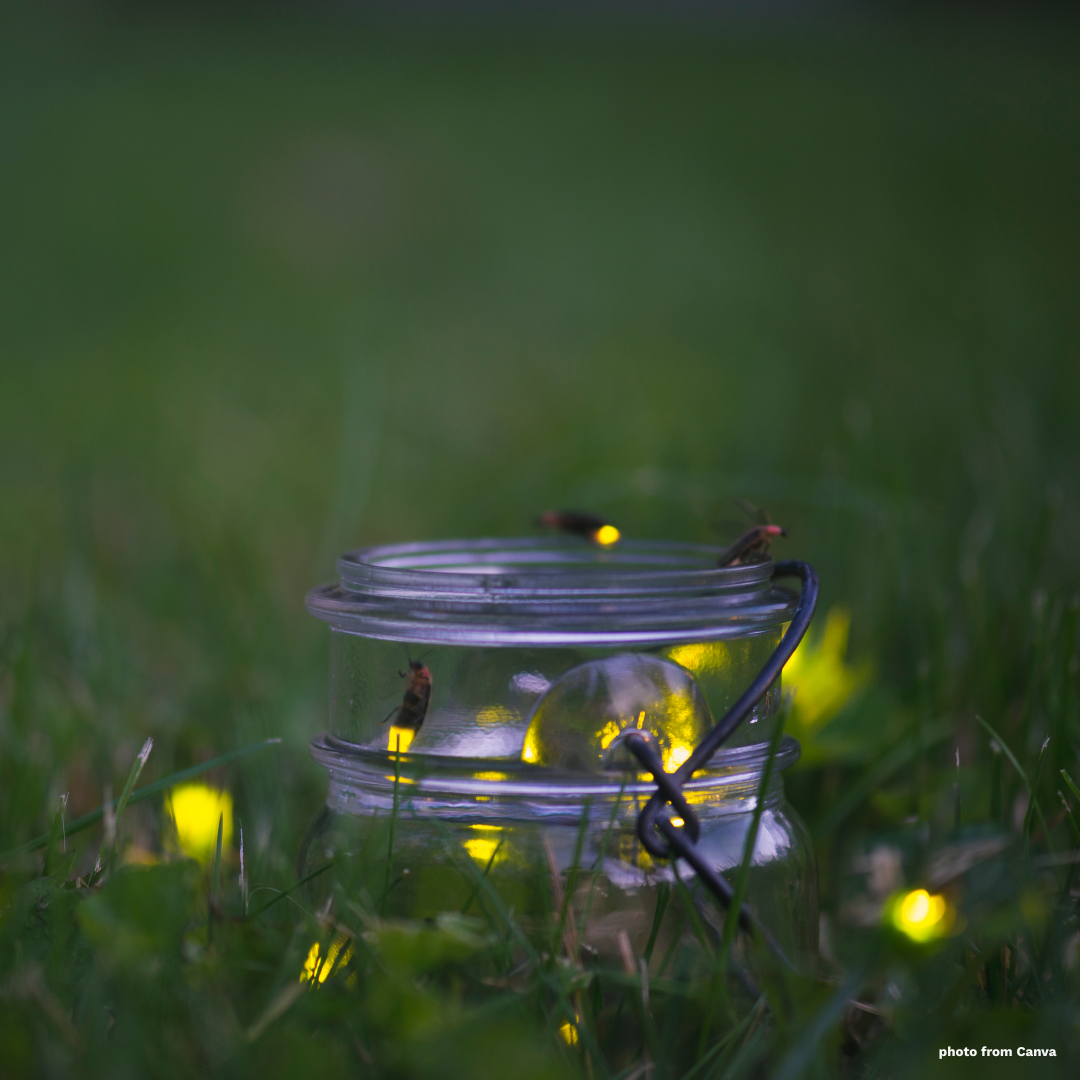
by Jill Eisenstein, Master Gardener Volunteer
One warm, humid night in June, the tall grass near the garden twinkles. One little flash…then another… then another… and my summer begins. The fireflies have returned.
As a child, I remember catching these harmless insects in glass jars with my big sister. We would put the lid on, which had been carefully punctured with air holes, and pretend we had a special lantern for a few hours before we let them go.
Despite their name, fireflies, also known as lightning bugs, are neither flies nor bugs. They are beetles in the family Lampyridae, which means “shining fire.” They got the moniker “fireflies” because of their bioluminescence; they carry tiny chemistry labs in their lower abdomen with vials of luciferase and luciferin. Luciferase is an enzyme that triggers the emission of light, and luciferin produces light, but no heat.
They use their special chemistry reactions for courtship. The male sends a flash of light into the air, and a female, waiting near the ground, responds with another flash if she is interested. Each firefly species has its own flash pattern.
Intriguing, mysterious as the twinkling stars, the most common species in the Hudson Valley is even named after a well-known asterism: Photinus pyralis, the common eastern firefly, is called the “Big Dipper” firefly because of the males’ dipper-shaped flight.
Nature often saves its most resplendent for the end (think fall foliage, swan songs), and so the fireflies. The luminaries only live for a few weeks. They mate, lay eggs in the ground, leaf litter or other moist location… and disappear forever. But in their young years, laud them, they were helping us with pest control: they spent two or more years as larvae, dining on worms, snails, slugs and other small critters in the soil.
Sadly, our little sparks in the dark are losing ground. The shimmering light show that has captivated our hearts for many years is being slowly but perceptively extinguished by habitat loss, light pollution, and the use of chemical pesticides.
Here are several ways to increase the probability of seeing fireflies in summer: turn off outside lights at night; leave leaf litter under trees for the larvae to grow up in; leave some edges of taller plants or grass unmown; and avoid using pesticides and chemical fertilizers.
Resources:
https://extension.illinois.edu/blogs/good-growing/...
https://bugs.uconn.edu/2021/07/30/fireflies/
https://www.fireflyatlas.org/
https://www.nwf.org/Educational-Resources/Wildlif...
https://www.newyorkalmanack.com/2023/06/its-firef...
Gardening with Texture Adds Visual Interest When Blooms Fade
by Jennifer Lerner, Senior Resource Educator
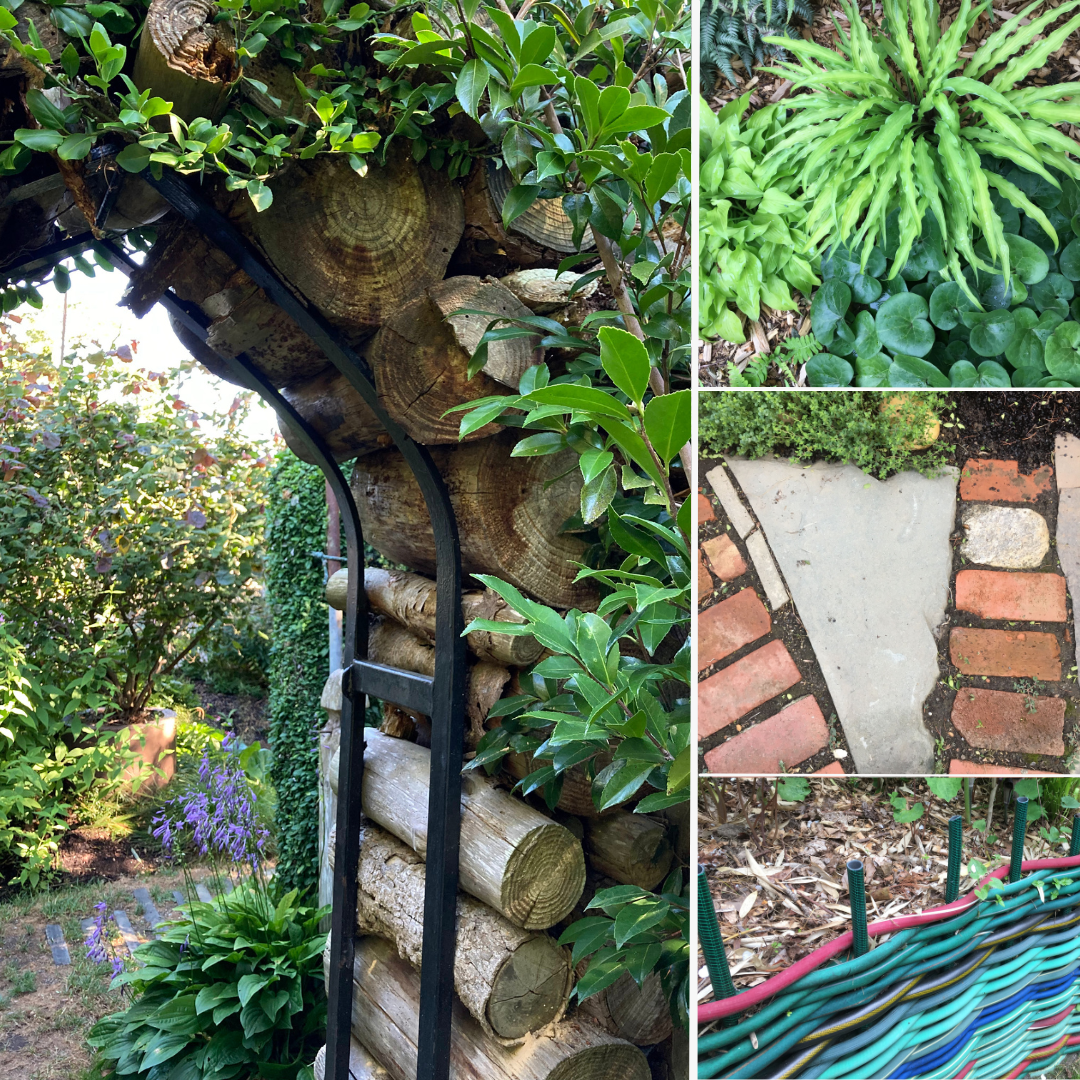
When the riot of May and early June blooms have faded, and your garden is beginning to look tired, turn to texture. Textures offer a longer season of interest, with bold leaves, fuzzy leaves, and even hardscaping. While there are certainly some summer blooming perennials you can choose from, consider adding plants now that will offer textural interest later. Once you begin working with texture, flowers are just a bonus.
How do you add “textures” to a landscape? Soft, billowy textures provided by finely dissected leaves like those of Japanese maple, threadleaf amsonia, or cut-leaf elderberry varieties. Bold textures like those from hosta, native ginger, magnolia, or cardoon invite the gaze to linger for a bit. Many textural plants also come in bold foliage colors too, so even after they bloom, they’ll provide color to your garden as well as texture. Downy and fuzzy foliage with silvery hues, like lamb’s ear, cardoon, and lavender invite you to reach out and touch. Grasses, iris, lilies, and yucca provide soft or bold linear textures. In winter months texture comes through twigs, buds and bark like the orangey, exfoliating bark of oak leaf hydrangea and paperbark maple, or the big sticky buds of horse chestnut.
But think beyond foliage for textures that include stones, brick, or wood in repeated patterns. This is texture that will work for you year-round, with little maintenance. Repeated patterns, low stone walls, or stacked logs create patterns and textures that catch the eye and draw you through the garden. If you aren’t interested in building projects, you can purchase small woven-willow fencing panels for that textural flourish. Another easy way to add texture: Collect pinecones and fill a basket or use them as a mulch, their pleasing shapes and patterns add beautiful texture to the garden.
Repetition and contrast are your friends. Put some finely textured plants close to bold textures for contrast. Create visual impact by repeating textures, either by planting in groups of 3 or 5, or by reusing the same bold plant in several places in the garden to draw your gaze through the garden. By adding textural plants now, you’ll get ahead of the July and August garden blahs.
As always match your plant’s requirements to what your site has to offer to get the benefits of Right-Plant/Right-Place. For more ideas about plants that will do well in your garden, check out Cornell’s Woody Plant Database for trees and shrubs (https://woodyplants.cals.cornell.edu/home), and The NC Extension Gardener Plant Toolbox (https://plants.ces.ncsu.edu/find_a_plant/).
Bug of the Month: Spined Soldier Bug
by Janis Butler, Master Gardener Volunteer
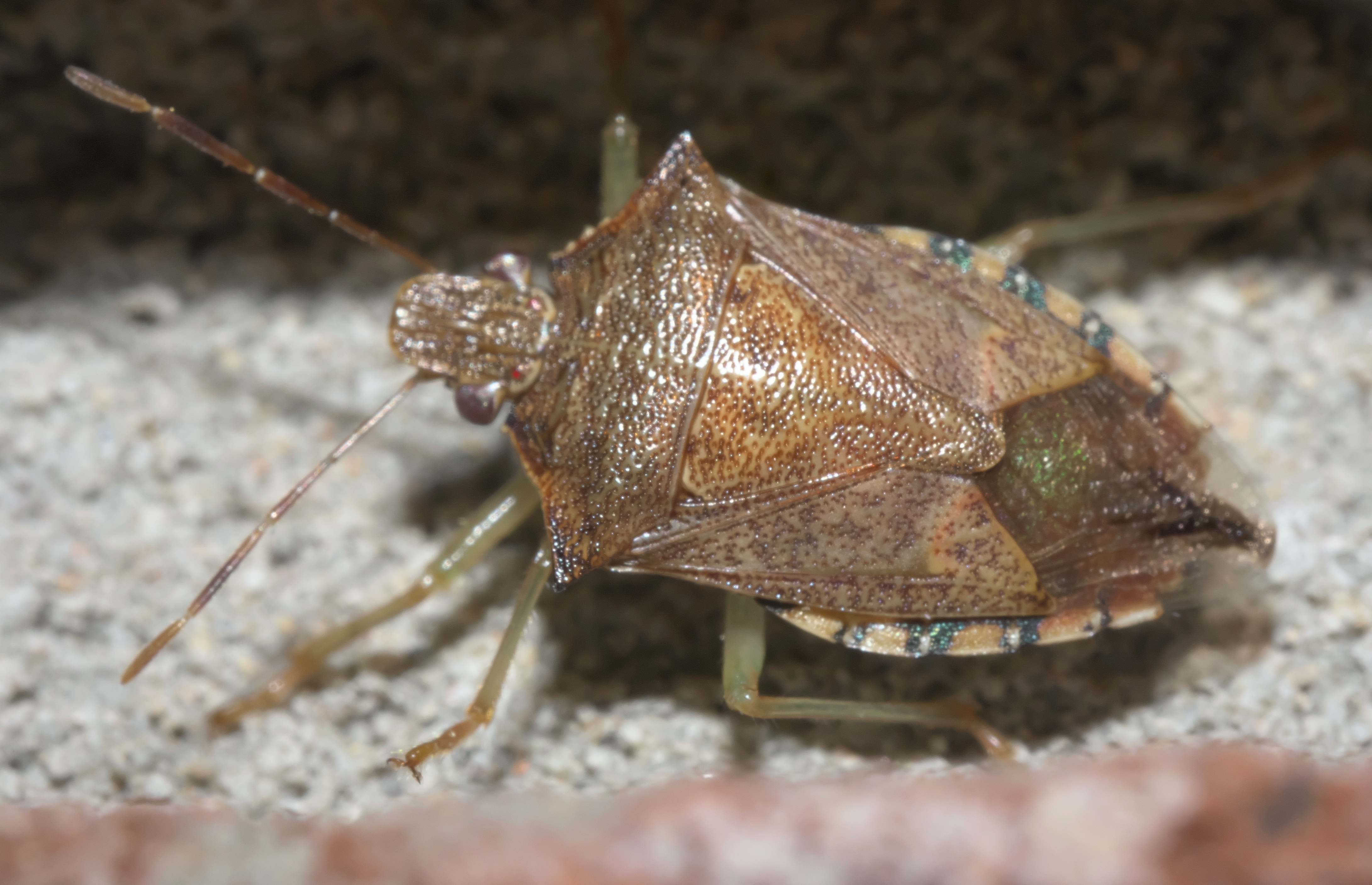
If ever there was a candidate for mistaken identity, it’s the Spined Soldier Bug (Podisus maculiventris). She’s a valuable beneficial insect but, alas, looks disconcertingly like the Squash Bug and the Brown Marmorated Stinkbug, both of which are serious pests of agriculture as well as home gardens. The Spined Soldier Bug is herself a stink bug so she is often squished or sprayed like her less-welcome relatives.
What’s a gardener to do? As with all insects, ID before you squish. Sometimes identification is easy (Japanese beetles, for example, are easy to spot). But in the case of the Spined Soldier Bug, accurate ID is challenging. A smartphone app such as iNaturalist can offer a quick ID. Insect guidebooks can also help, or you can bring the insect to the Cornell Cooperative Extension (in a tightly covered jar) for ID. (Hint: the Spined Soldier Bug has very pointed shoulders. The look-alikes have rounded shoulders. The Spined Soldier Bug also has dark markings on the transparent ends of her wings that look like a tail when the wings are folded.)
What’s so great about the Spined Soldier Bug? Her diet! She devours the pest insects who torment vegetable gardeners: Colorado potato beetles, Mexican bean beetles, fall webworms, corn earworms, cabbage loopers, sawflies, etc. — over 100 pests known only too well to vegetable growers. And she eats both hard-bodied adults and and soft-bodied larvae. Individual Spined Soldier Bugs have been recorded as consuming more than 100 late instar fall armyworm larvae in a season, according to Biological Control, a publication of Cornell University’s College of Agriculture and Life Sciences. So, though you’ll find her sitting on your apples and eggplants, beans and tomatoes, asparagus and onions, she’s not eating them. Rather, she’s hunting the pests that do eat them.
Both as an adult and as a nymph, the Spined Soldier Bug often eats critters considerably larger than herself — she’s only 2/5” long. How? She has a sharp tube-shaped mouthpart (rostrum) which she can extend forward in front of her body to pierce her prey’s skin. She uses this tool to inject digestive enzymes into the prey, liquifying its insides, which she then sucks up like a straw. She folds the “beak” under her body when not feeding. The Spined Soldier Bug is such a valued predator in the biological control of greenhouse crops that she’s available commercially.
Life Cycle
The Spined Soldier Bug undergoes three-part metamorphosis — egg, nymph, adult — in about a month, depending on the weather and food availability, so she has time for two or three generations before cold weather sets in. She lays her eggs on leaves, in a loose mass of several dozen, totaling hundreds each year.
The eggs of many insects look similar to one another, and this is particularly true of the eggs of stink bugs like the Spined Soldier Bug. But the Spined Soldier Bug’s eggs have a distinctive identifying feature: a crown of tiny white spikes circling one end of each barrel-shaped egg. If you find clusters of eggs, a smartphone ID app can identify them as well as the adults and nymphs. It’s certainly a good idea to destroy the eggs of Brown Marmorated Stink Bugs or Squash Bugs but important to make sure you destroy the right ones!
More about those SBB eggs: According to research published in Current Biology, female stink bugs can change the color of their eggs depending on the amount of light reflecting off the surface of their surroundings. The mother lays darker eggs (dark bronze to almost black) on upper leaf surfaces in order to block harmful UV radiation. Lighter (white or cream-colored), more in need of sun protection, are laid on the undersides of leaves.
When the eggs hatch in 5 to 9 days, the first nymphal instars appear and begin their journey through five developmental stages, getting bigger each time and changing in color, from red and black to reddish-orange with red, white and/or black markings. The first instars eat only whatever remains in their yolks, but the later nymphs demonstrate why they are such good friends to the gardener, by voraciously gobbling up pest insects, including those many times their size. The instar life stage takes about 3-4 weeks. Here, too, it’s a good idea to use a smartphone app because the nymphs of “good bugs” and “bad bugs” can easily be confused.
When cold weather approaches, the adult Spined Soldier Bug looks for a snug place to spend the winter. First choices are leaf litter and and deep mulch, but sometimes they nestle themselves in the deep crevices of leaf bark. When spring beckons, they emerge, mate, and begin to search for garden pests.
How to help the Spined Soldier Bug ID before you squish! Make sure you have the right species before you destroy stink bug eggs, nymphs or adults.
Leaves leaves alone in fall or at least rake them gently to the edge of your garden or property so that the adult Spined Soldier Bug and so many critters who live there can make it through the winter undisturbed. Control aggressive ants. Foraging
ants will attack, kill or scare off helpful Soldier Bug nymphs and eat their eggs.
Avoid insecticides. Use IPM (Integrated Pest Management) methods first. Read more about IPM on Cornell’s website (https:// cals.cornell.edu/integrated-pest-management)
Photo credit: Robert Webster / xpda.com / CC-BY-SA-4.0
Find Your Favorite Fruits and Veggies at Putnam County Farms and Markets
by Ruby Koch-Fienberg, Ag & Food Systems Coordinator
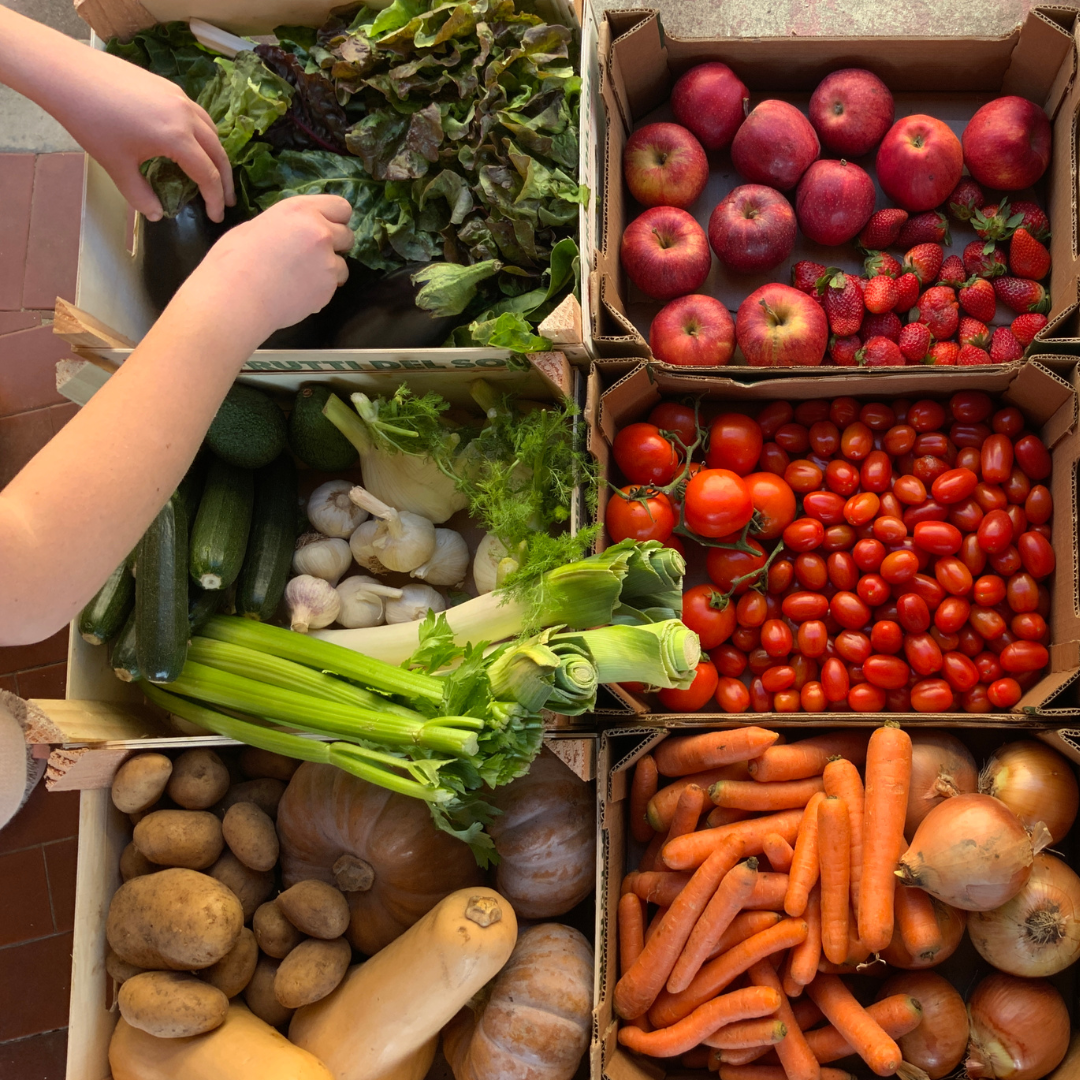
This summer, Putnam County is bursting with flavor—and Fruit and Vegetable Month is the perfect excuse to get out, explore, and fill your fridge with food grown by your neighbors. Think of it as a delicious scavenger hunt across Brewster, Cold Spring, Mahopac, and every town in between.
Taste summer at our orchards
Strawberry season is short, sweet, and absolutely worth chasing, and Putnam County orchards make it easy to turn a regular Saturday into a mini road trip.
Start at Salinger’s Orchard in Brewster, where the farm store smells like warm cider donuts and the shelves are lined with apples, peaches, cherries, and jars of local honey. Grab a bag of fruit, a donut for the ride home, and maybe a pie if you “accidentally” wander past the bakery case.
Head down to Maple Lawn Farmers Market & Garden Center in Garrison for early berries and summer fruit, tucked right in among flats of flowers and vegetable starts—perfect if you want to snack on strawberries now and plant your own for later.
Round things out at Veras Marketplace in Cold Spring, where piles of local and organic produce make it easy to build a rainbow salad, a snack board, or a picnic spread for the riverfront.
Eat the rainbow, grown here
If you’ve ever wanted to build a plate that looks like it belongs on a cookbook cover, Fruit and Vegetable Month is the time—and our local farms are the secret weapon.
At Glynwood Center for Regional Food and Farming in Cold Spring, you can walk into the farm store and walk out with certified organic greens, carrots, tomatoes, and just-dug potatoes, plus milk, eggs, and cheese to round out your meals. They accept SNAP and offer payment plans, so that beautiful, colorful spread is within reach for more households.
Artemis Farm in Brewster keeps its stand stocked with organic vegetables, eggs, maple syrup, and house-made breads; it’s the kind of place where you stop in “just for lettuce” and leave with half your week’s meals planned out.
Boni-Bel Farm at Green Chimneys adds a little magic: organic fruits and vegetables, eggs, maple syrup, honey, and artisan cheese, all in one stop. It’s easy to grab a few new-to-you veggies and challenge your family to try a “mystery ingredient” each week.
Fire up the grill with local meats
Fruit and Vegetable Month isn’t only about produce—it’s also about building meals that showcase everything our farms can do, including pasture-raised meats and eggs.
Glynwood’s farm store is a one-stop shop for pasture-raised beef, lamb, pork, chicken, and eggs, so you can plan a grill night or Sunday breakfast that’s 100 percent Hudson Valley. Pair local sausage with sautéed greens and roasted potatoes and you’ve got a full “Putnam-grown” plate.
At Lobster Hill Farm in Brewster, Farm-to-Fork CSA boxes and on-farm pickup bring you goat meat and cheese, pastured poultry, eggs, and produce, all packed with stories you can share at the dinner table.
Make Fruit & Veg Month an adventure
Fruit and Vegetable Month is your invitation to turn “support local farms” from a nice idea into a lived, tasty habit.
Pick one “home base” for the season—maybe Glynwood, Salinger’s, or your favorite market—and commit to shopping there weekly, building your meals around what’s in season instead of what’s on sale at a distant warehouse.
Challenge your household to try one new local item each week, whether it’s Lobster Hill goat cheese, Sugar Shack Creamery Goat Milk Lassi, or a strange-looking squash from RE Endeavors by Ryder Farm or Boni-Bel, and share the results with friends, neighbors, or school communities.
Striped Cucumber Beetle and Bacterial Wilt: Effective IPM Strategies
from Marion Zuefle, Cornell Integrated Pest Management
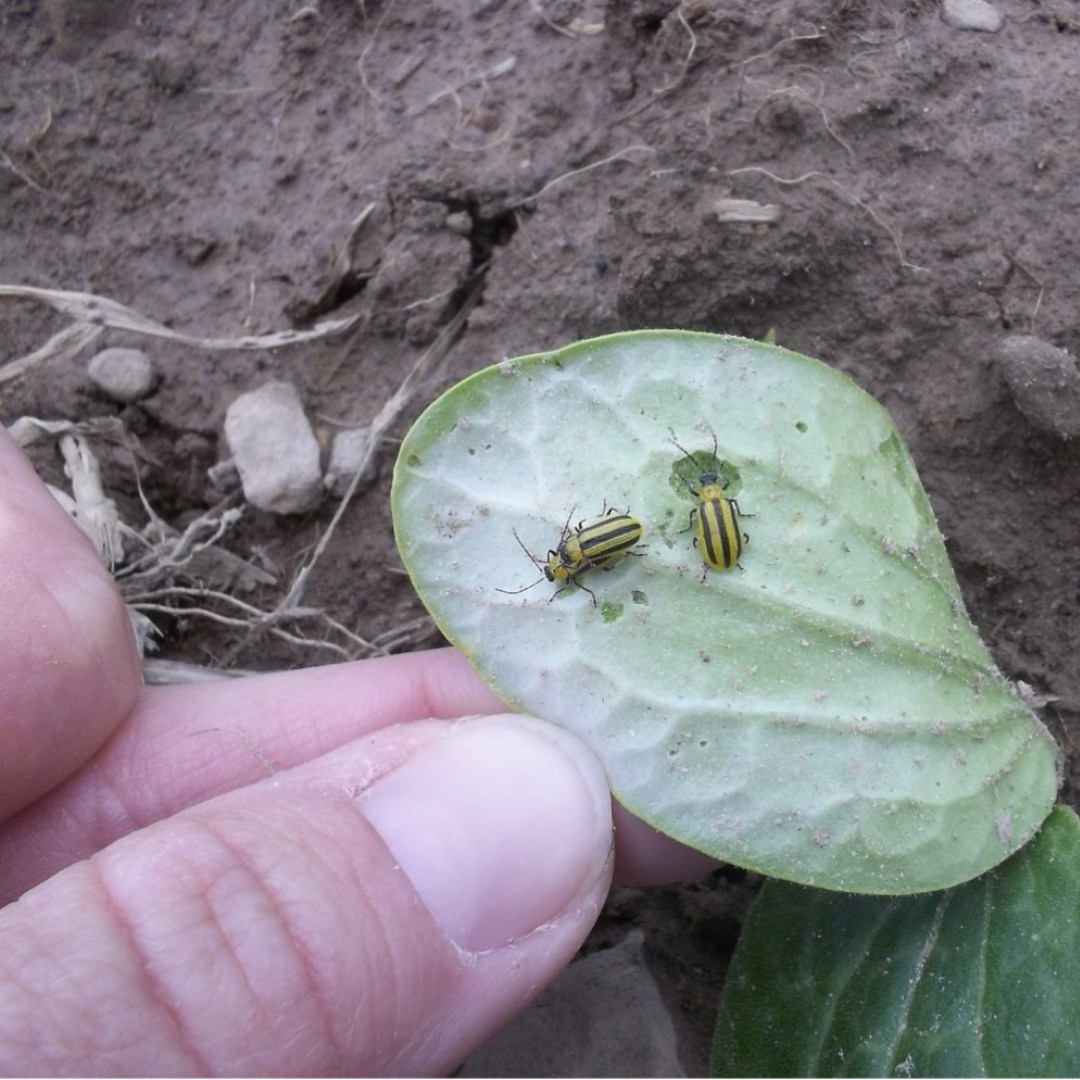
Bacterial wilt, caused by Erwinia tracheiphila, can be devastating to cucurbit crops—especially cucumbers and melons. This disease is spread by striped cucumber beetles (Acalymma vittatum) and spotted cucumber beetles (Diabrotica undecimpunctata howardi). The bacteria live in the beetles’ guts, so even a small number of beetles feeding on your plants can transmit the disease. Once the bacteria get inside, they multiply and clog up the plant’s water system, leading to wilting and, often, death.
Symptoms and Disease Development
Early signs of bacterial wilt show up as dull green patches on a few leaves. These leaves wilt during the day but may bounce back at night, making it easy to mistake the problem for drought stress. Over time, leaves yellow and brown at the edges, eventually withering and dying.
Infected fruit may be small or misshapen. A simple field test can help confirm diagnosis: cut a suspect stem and press the cut ends together, then slowly pull them apart. If you see a sticky, stringy sap, it’s likely bacterial wilt.
Cucumbers and melons are most vulnerable, but some squash, pumpkin, and gourd varieties can also be affected.
Beetle ID and Timing
Striped cucumber beetles are about ¼ inch long with yellow and black stripes that go all the way to the tip of the abdomen. Spotted cucumber beetles are similar in size but have a yellow-green body with 12 black spots. The larvae of both species feed on roots underground.
Adults overwinter in field borders or hedgerows and start showing up in late spring, usually when cucurbits are just emerging. They go straight for seedlings and young transplants—feeding on cotyledons, leaves, flowers, and even fruit. Adult beetles often gather in blossoms or on leaves.
Scouting and Thresholds
Start scouting for beetles early and often—twice a week is a good goal, especially before plants have five true leaves. At each of five spots in the field, check five plants. Don’t forget to look under cotyledons. Early infestations typically begin along field edges, so focus your efforts there first. Use these action thresholds to guide spraying decisions:
Cotyledon to 4-leaf stage: Treat if more than 5 beetles per plant. After 4-leaf stage: Treat if 1 or more beetles per plant and the crop is vulnerable to bacterial wilt.
Crops that don’t get bacterial wilt as easily—such as watermelon—can usually handle more beetles before treatment is needed, unless the beetles are damaging flowers.
Cultural and Non-Chemical Tactics Several IPM tools can help reduce beetle pressure and the risk of bacterial wilt:
- Perimeter Trap Crops – Surround your main crop with something highly attractive like Blue Hubbard squash. Spray the trap crop to knock down beetles before they reach your main planting.
- Row Covers – Use row covers to exclude beetles during early crop stages. Be sure to remove them at flowering to allow for pollination.
- Resistant or Less Attractive Varieties – Some cucurbit varieties are less appealing to beetles or more tolerant of bacterial wilt.
- Beneficial Nematodes – Heterorhabditis bacteriophora can help suppress larvae in the soil when applied to the root zone. They won’t control adults but can reduce the next generation.
- Clean-Up – Deep plowing and removing crop residue helps eliminate beetle overwintering sites.
Insecticides
When beetle counts exceed thresholds, timely action is important. Apply insecticides within 24 hours to prevent infection. One spray at planting won’t last the whole season—keep scouting and be ready to follow up.
Protecting seedlings and young transplants is key. Older plants can often tolerate more feeding, especially if they’re less susceptible to wilt.
Pollinator Safety
To reduce the risk to pollinators:
- Treat only when cucumber beetle thresholds are met.
- Spray in the evening when bees are less active.
- Avoid spraying during bloom.
- Choose selective insecticides that are less toxic to bees.
- Remove blooming weeds in and around fields before spraying.
- Avoid drift—don’t spray on windy days or near flowering plants.
In Summary
Managing bacterial wilt and cucumber beetles takes early action and a mix of tools. Scout often, use thresholds based on crop type and growth stage, and combine cultural strategies with careful insecticide use. That way, you’re protecting your plants and minimizing pesticide use in the process.
Photo: Striped cucumber beetles feeding on the underside of a cucurbit cotyledon. Early feeding damage is often first seen on the underside of cotyledons.
National Pollinator Week is June 22-28
by Pete Salmansohn, Master Gardener Volunteer
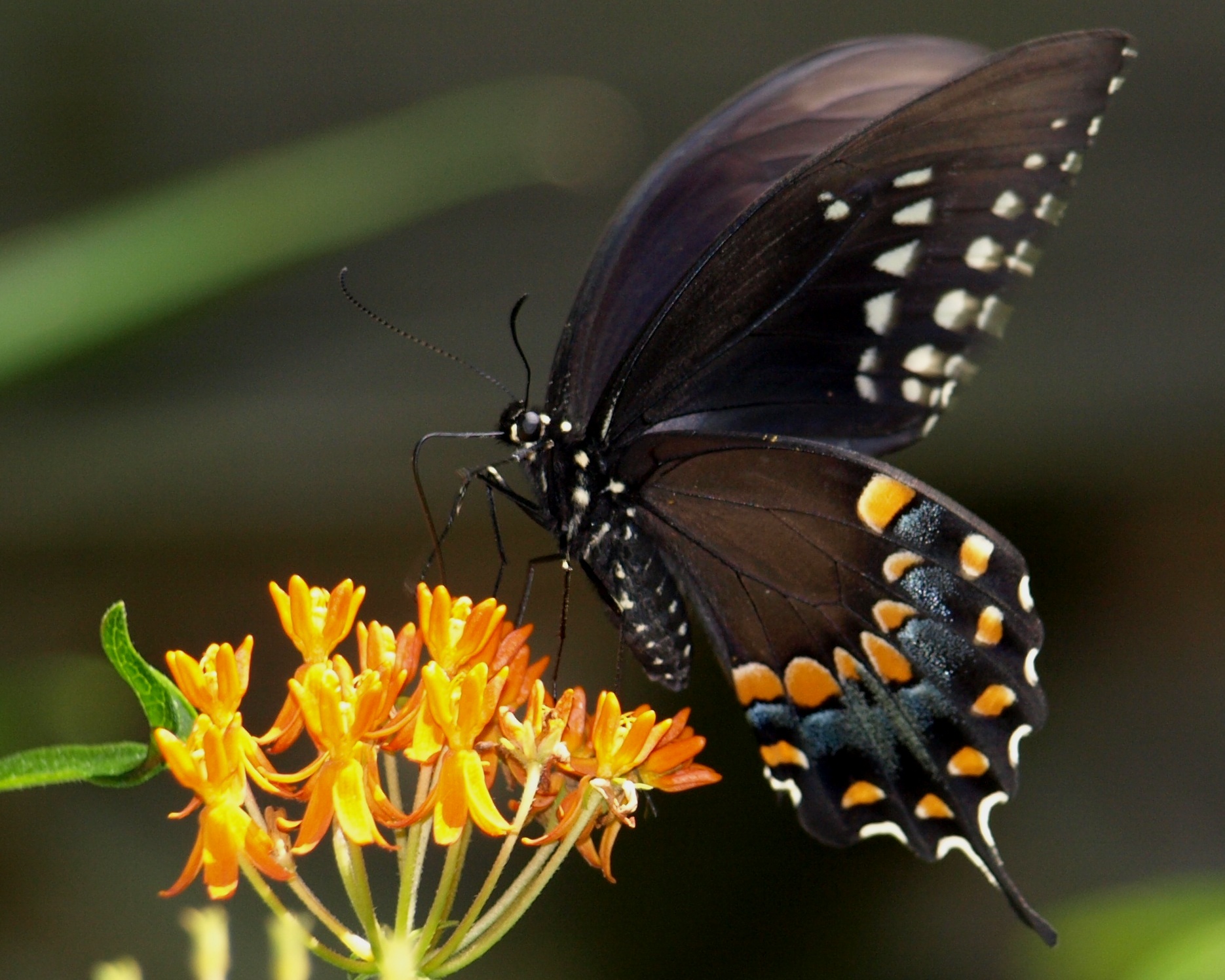
In late June, the Putnam Cornell Cooperative Extension Pollinator Pathway will join with both national and international efforts to celebrate the vital role that pollinators play in our ecosystems, and help deepen commitments to protecting them. This activist-based effort formally began back in 2008 when the U.S Senate gave its unanimous approval to designate a week in June as "National Pollinator Week”. Pollinators, like all insects, have faced drastic declines due to the widespread use of pesticides, habitat destruction, and the vast spread of invasive vegetation.
Local members of the CCE Putnam Pollinator Pathway group have established a successful and colorful pollinator garden on the grounds of the Desmond-Fish Public Library in Garrison, which is open to the public every day for enjoyment and observations.
Volunteers and staff members have also created a demonstration garden at the CCE offices, 1 Geneva Road in Brewster, next to the DMV. That garden is open seven days a week, and features native plants and educational signage that is especially helpful for beginning pollinator gardeners.
There are now dozens of gardens both large and small throughout the county that are part of the Pollinator Pathway, currently totaling about 1,700 acres. They join thousands of other designated locations across 300 towns in 24 states, all working to create a corridor of native plantings and pesticide-free habitats to help connect fragmented ecosystems.
During National Pollinator Week, why not take a tour of one of the open-to-the-public gardens for inspiration, or learn more about the sharp decline in helpful insect populations and what each individual and community can do about it? Visit cceputnamcounty.org/gardening/putnam-pollinator-pathway to learn more.
You can also join the Putnam Pollinator Pathway by signing up HERE. All CCE asks of potential Pathway participants is to make a pledge to follow these three guidelines:
Avoid pesticides: Eliminate or significantly reduce the use of synthetic pesticides and lawn chemicals.
Plant natives: Incorporate native plants, trees, or shrubs that provide forage for pollinators in every stage of growth.
Rethink your lawn: Reduce lawn size or allow for a more natural, "messy" garden style that provides forage and overwintering habitat for insects.
The benefits of doing this are both huge and varied because you are making a direct and almost immediate positive impact for bees, butterflies and other pollinators in your neighborhood and community. As one local participant told us, “Every time I see a bumblebee on my new plantings, I feel a personal sense of victory.”
Rooted in Learning: Brewster and North Salem Students Give Microgreens a Try
by Brandy Keenan, 4-H Educator, and Sarah Divi, North Salem Schools Communications Coordinator
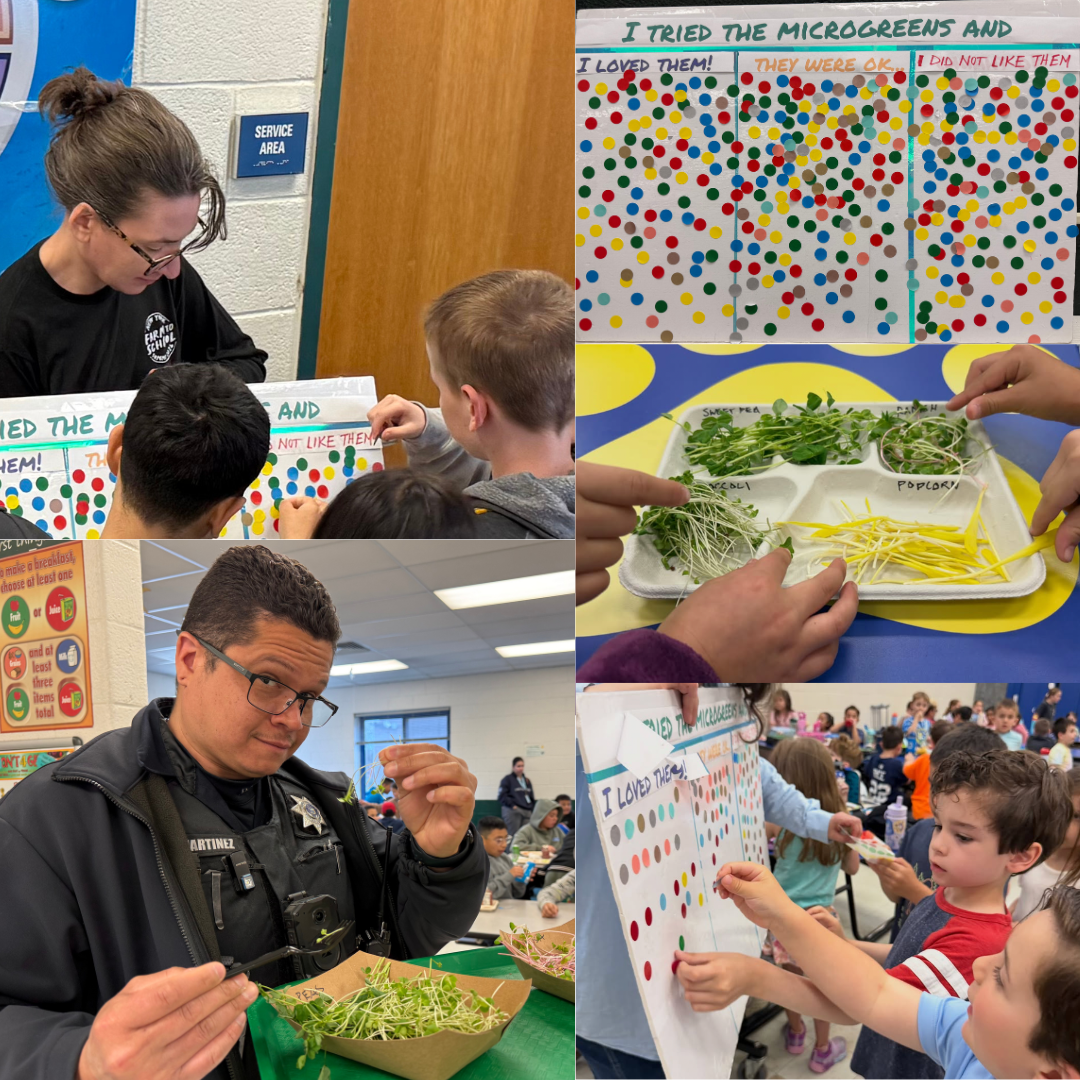
“They are the best vegetables I ever tried!” declared kindergartener Marina at her Pequenakonck Elementary School lunch table.
Marina and her classmates tried four kinds of microgreens at lunch as part of a program that connects students with local farmers and the food they grow. Nicole Harris, who owns Tiny Greens Farm in East Fishkill, NY, brought sweet pea shoots, radish greens, broccoli greens and popcorn shoots to share, along with a lesson on how they grow and why they are important.
Many students were surprised not only by the taste but also by the story behind the food. “All of them had different textures and flavors,” said fourth-grader Lucy. “It’s so cool that those little seeds turned into food in ten days.”
“For microgreens, you don’t need a big farm or a lot of land. You can just grow them on a windowsill,” said Harris, who grows them indoors using vertical farming. Even though they are small, these greens are full of nutrients. “That little bit of broccoli greens on your tray equals the nutrients of a whole head of broccoli,” said Harris.
Students tried the samples, sometimes with a nibble and sometimes by the fistful. They described the flavors as sweet, peppery, or spicy, and then voted for their favorites on a sticker chart.
“I think the popcorn is so delicious. It’s sweet and savory,” said fourth-grader Henry, holding a handful of the bright yellow shoots. “We should do this more often. I like trying new vegetables and new food.”
“When a kid sees a bunch of green things, a kid doesn’t normally want to eat it,” said fourth-grader Lily, who cautiously discovered that she loves popcorn shoots. “They’re telling us about what it is, how they grow them, and encouraging us to try without pushing. That’s why I like this.”
Harris also visited with Brewster Elementary students during their lunch period, explaining to strudents that microgreens are "baby" vegetable plants, harvested when they are just 1–3 inches tall, usually within 7-14 days of planting. They are packed with vitamins and are a super-nutritious, crunchy snack.
Whether they liked them or not, students were engaged in the tasting, and in their options on them! Even the SRO took a bite and declared them “delicious."
Harris believes that good nutrition begins with high-quality whole foods. She uses good seeds and grows those seeds in healthy soil that is then composted and reused for the farm. She also uses BPA-free growing trays, and 100% recycled and compostable packaging to be as sustainable and environmentally friendly as possible. Harris grows lots of types of microgreens: popcorn, sunflower shoots, pea tendrils, broccoli, radish, red cabbage, kohlrabi, arugula, mustards, micro kale, micro cilantro, and nasturtiums. Learn more about Tiny Greens Farm at www.tinygreensfarm.com.
This event is one of several farmer visits funded by Harvest NY’s Rooted in Learning grant and organized by Brandy Keenan, a 4-H Educator with Cornell Cooperative Extension in Putnam County. The program helps students learn about healthy eating, understand where their food comes from, and supports farmers in New York.
This Summer, Try This Delicious and Refreshing Salsa Recipe

from Josephine Quiocho, Nutrition Educator
Watermelon Salsa
Enjoy this unique salsa as a sweet, tangy and fresh snack or as a topping for tacos or fish.
Helpful hints to choosing the perfect watermelon:
- Look the watermelon over. You are looking for a firm watermelon that is free from bruises, cuts or dents. Scratching is ok.
- Lift it up. The watermelon should be very heavy for its size.
- Turn it over. The underside of the watermelon should have a creamy yellow spot from where it sat on the ground and ripened in the sun.
- If you want to try the thump, you’re listening for a dull, muffled, hollow sound if it’s ripe. If it’s unripe, the sound may be more of a metallic, clear ring. Another way to describe it is a “ping” for unripe or a “pong” when ready.
Store whole watermelons at room temperature. Refrigerate cut watermelons in airtight container for use within 5 days.
Fun fact: The rind of a watermelon is edible! The rind can be stewed, pickled, or stir-fried.
Ingredients
- 2 cups small cubes of watermelon, seeds removed
- ¼ cup sliced green onion
- ¼ cup finely chopped onion (try red or sweet)
- 1 tablespoon vinegar (try rice vinegar)
- 1 tablespoon chopped cilantro
- ¼ teaspoon cumin
Directions
1. Rinse or scrub fresh fruits and vegetables under running water before preparing.
2. In a medium bowl, mix all ingredients.
3. Refrigerate leftovers within 2 hours.
Serve salsa with burritos, tacos, fish or grilled meat. Try adding corn, hot pepper or avocado. Try lemon or lime juice instead of vinegar. Serve with fresh vegetables or tortilla chips.
Find the recipe at Oregon State University Food Hero: https://foodhero.org/recipes/watermelon-salsa


Last updated June 1, 2026

Craig Schroeter, Master Gardener Volunteer
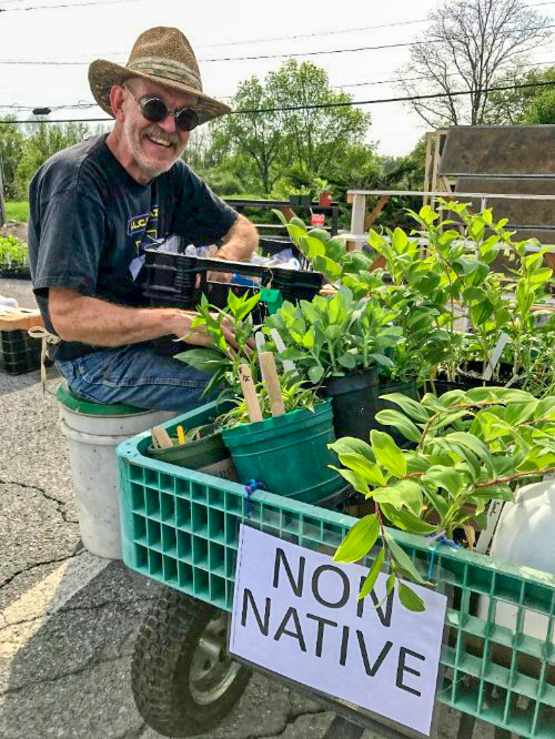
Steampunk glasses and a big dog are the trademark. Folks know the dog’s name, but often not the guy behind the glasses. Master Gardener Volunteer Craig Schroeter is a longtime Putnam County resident. He was a burn and trauma nurse for 30 years at Westchester Medical Center. He has also been an avid runner. “Marathons gave me the excuse to travel, running races on every continent,” he said.
So how did a marathon-running nurse become an avid gardener? “I’ve been gardening one way or another for my entire life. When I was a youngster, we had a potato in the icebox that had sprouted eyes. My mother gave it to me to plant. After that, I was hooked on growing things,” he said.“Gardening is, and has been, therapy for me. I taught myself through books, conversation with seasoned gardeners, trial and error.”
After retiring, he discovered the Master Gardener Volunteer program, and a new field of education opened up. “Master Gardeners are a diverse group of garden-loving folk looking to share their time and expertise,” he said.
Through the MGV program, he has learned new ways to propagate plants: single leaf, a stem, layering and root propagation. He has learned that seeds can have all kinds of requirements to germinate and grow successfully. In particular, “the Kentucky Coffee Tree is a native tree with a seed that needs to pass through the digestive tract of a mastodon to sprout” he said.“The tree had lived in the yard for years. Prior to the Master Gardener Program, it went unidentified. With no mastodon available, it was a challenge to finally germinate the seeds.”
Craig has put those propagation skills to work, dividing, seeding and potting plants for CCE MGV’s May Plant Sale as well as the Wildwoods Project. Through these generous plant donations, Craig has put thousands of plants yearly into Putnam County gardens and restoration projects. A true growing legacy!
Craig’s advice to people who want to garden but may feel a little intimidated is not to “spend time reinventing the wheel.” He suggests getting online and learning from experts. “The Internet is a great resource of information for first time and seasoned gardeners,” he said. “Weed out misinformation or unproven methodology—educational and government websites have vetted information and research. Domain names for those sources will end in .edu or .gov.”
June is ...

Iced Tea Month
For generations, Americans have been making iced tea. It’s popularity quickly grew after being introduced at the 1904 World’s Fair in St Louis. Today, iced tea makes up 85% of all tea consumed in the U.S. It’s an uncomplicated, thirst-quenching drink made by combining two simple ingredients–tea and water.
Source: Iowa State Extension and Outreach

Rivers Month
National Rivers Month is observed to raise awareness about the ecological, cultural and economic value of rivers. It encourages communities to protect rivers from pollution, overuse and habitat destruction and to support sustainable water management. The month-long event includes cleanups, educational programs and advocacy for stronger water protection policies. Inspired by conservationist Mark Angelo’s British Columbia Rivers Day, it is recognized in more than 60 countries.
Source: The Hudson River National Estuarine Research Reserve

Men's Health Month
Men’s Health Month strvies to share education, awareness and resources to improve the health of men, boys and the families who care about them. This year’s theme is “Partners in Care: For Better Lifespans Across the Lifespans," highlighting the role that families, communities, and care partners play in supporting healthier outcomes for men.
Source: Men's Health Month

Lemon Month
From recipes like lemonade and lemon curd to using them for cleaning pots and brightening your whites, lemons are fairly versatile. First introduced to the Americas by Christopher Columbus, lemons were initially used as ornamental plants and for medicine. By the 19th century, lemons were widely grown in Florida and California, leading to the development of new varieties of the citrus fruit. Today, there are around 200 cultivars or distinct varieties of lemon.
Source: University of California Agriculture and Natural Resources
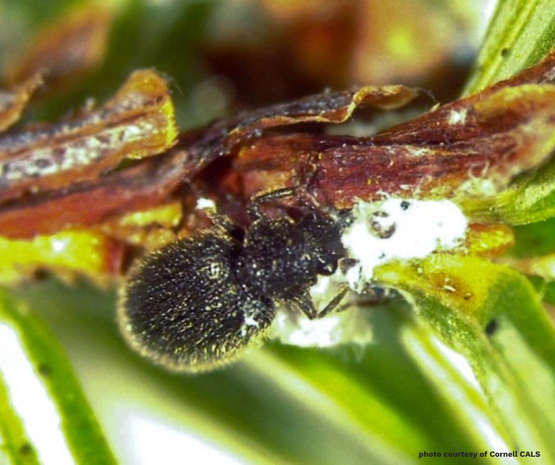
Milestone Achieved in Hemlock Woolly Adelgid Biological Control
by Lyn Chimera, Cornell Cooperative Extension Erie County
New York State Department of Environmental Conservation (DEC), the New York State Office of Parks, Recreation and Historic Preservation and Cornell University’s New York State Hemlock Initiative has announced that Laricobius nigrinus , a predator beetle being released to control the invasive hemlock woolly adelgid (HWA), is confirmed to be reproducing successfully in the lower Hudson Valley.
Teams from New York, New Hampshire, and Vermont collected 12,676 of the sesame seed -sized beetles from Harriman State Park, where they had been released years earlier as part of a regional HWA biocontrol effort. The number collected exceeded expectations and marks significant progress towards establishing HWA population controls.
Highlights from the ongoing efforts to establish HWA predator controls:
- The effort to establish Laricobius nigrinus populations in Harriman State Park began with an initial release of about 2,000 beetles between 2018 and 2020.
- Beetle population growth must occur in the wild in order to successfully expand across landscapes without ongoing human assistance.
- This year’s record beetle collection has allowed for the redistribution of beetles to new sites across New York and neighboring states as part of a cooperative effort to establish new populations of predators of HWA across the northeast.
- Partners from New Hampshire and Vermont collected 4,392 and 1,437 beetles, respectively, to release in their states. New York benefitted from a similar effort in North Carolina in 2013.
A total of 6,487 beetles were released at three New York sites: Long Point State Park, Thacher State Park, and the DEC’s Five Rivers Environmental Education Center.
More about HWA:
- HWA is an invasive insect that can attack healthy hemlock trees, often killing them in under a decade.
- It was discovered in the lower Hudson Valley and on Long Island in the 1980s and has since spread north to the Adirondacks and west to the Finger Lakes Region.
- Efforts to control HWA have largely involved early detection and chemical control, but these are not long-term solutions.
Establishing specialist predators, like Laricobius nigrinus, will help keep HWA populations in check naturally, allowing hemlocks to survive. Public involvement remains essential to protecting hemlocks and anyone can help by learning to identify and report HWA using resources from the New York State Hemlock Initiative or DEC.
For questions or resources on hemlock conservation, visit nyshemlockinitiative.info or email nyshemlockinitiative@cornell.edu.

Help Protect Turtles by Sharing Info During Wild Turtle Week
from Partners in Amphibian and Reptile Conservation and U.S. Fish and Wildlife Service
#WildTurtleWeek is a collaborative initiative between the Partners in Amphibian and Reptile Conservation (PARC), the Association of Fish and Wildlife Agencies (AFWA), and the US Fish and Wildlife Service (USFWS) and other partners to “shell-e-brate” all things turtles and help elevate their conservation. Join the slow and steady movement this year beginning June 8. During the week, share your love of turtles on social media.
Turtle-y awesome
Turtles have been roaming the earth since the days of the dinosaurs – some fossils date back more than 220 million years. They hold cultural significance for many societies and play important roles in the environment. Some plant species depend on turtles for habitat and to disperse their seeds.
The U.S. is a global hotspot for turtle biodiversity. We are home to more than 60 known turtle species, many that are found only here. But our turtles face growing threats from habitat loss, disease and vehicles when crossing roads. The illegal collection of wild turtles is making matters worse.
Every turtle counts
Turtles can’t afford these losses. It takes many species a decade or more to reach reproductive age, if they make it at all. Most eggs and hatchlings are eaten by predators. Those that do make it must reproduce for their entire lives just to ensure they replace themselves in the population.
When we lose individual turtles from the wild, we lose future generations of turtles. That’s why the U.S. Fish and Wildlife Service and other organizations are working with partners to support turtle conservation in the United States and around the world. There are ways you can help too, including by reporting wildlife crime, learning more about the turtles that live here in Putnam County and braking for turtles crossing the street (and helping, if safe).
Daily themes for #WildTurtleWeek this year are:
-Monday, June 8: Turtley Awesome—Why turtles are special
-Tuesday, June 9: Turtles Need Our Help—Threats turtles face
-Wednesday, June 10: Every Turtle Counts—Turtle populations can’t afford extra losses
-Thursday, June 11: Turtle Power—Turtles play important roles in their ecosystems
-Friday, June 12: Be A Good Turtle Neighbor—Everyone can play a role in helping
When posting turtle content, be sure to use the #WildTurtleWeek hashtag and consider tagging PARC! By sharing turtle content during Wild Turtle Week, you become a Wild Turtle Week Partner!
Learn more about Wild Turtle Week at https://parcplace.org/education/wild-turtle-week or at https://parcplace.org/education/wild-turtle-week.
'Clean, Drain, Dry' Watercraft and Equipment to Protect New York's Waters
from The New York State Department of Environmental Conservation
The New York State Department of Environmental Conservation (DEC) is reminding recreationists to Clean, Drain, Dry their boats, trailers, fishing gear and other equipment before launching in New York’s waters to prevent the spread of aquatic invasive species (AIS).
“New York’s waters are vital to our ecology and economy, and recreating responsibly in New York’s abundant lakes, ponds, and streams is a critical component for preventing the spread of invasive species,” DEC Commissioner Amanda Lefton said. “DEC supports stewards to help educate and connect with hundreds of thousands of people along waterbodies statewide, and all boaters can protect the environment and follow the useful instructions to Clean, Drain, Dry and help prevent aquatic invaders.”
Last year, DEC’s boat stewards connected with 430,000 recreationists, conducted more than 220,000 watercraft inspections and intercepted 8,717 aquatic invasive plants and animals while raising awareness about AIS.
As part of an expansion to the Watercraft Inspection Steward Program (WISP), DEC is stationing boat stewards and a new decontamination unit provided by the New York State Canal Corporation at the Cove Road boat ramp in Verona. Opened in 2023 in partnership with the New York State Canal Corporation, this launch offers direct access to Oneida Lake—the state's largest inland lake and a popular fishing destination. The initiative aims to combat the spread of invasive species already present in the lake, such as the round goby and water chestnut, and prevent new invaders.
Aquatic invasive plants, such as the water chestnut, harm ecosystems by shading out native plants, decreasing dissolved oxygen, and increasing sediment buildup. Similarly, invasive fish like the round goby threaten biodiversity by carrying diseases, preying on native fish eggs and fry, and out-competing native species. Beyond ecological damage, these species can create significant negative impacts on water recreation and local economies.
Over the last few years, boat steward programs have expanded from the Finger Lakes and Adirondack Regions to Western New York, the Catskills, the Mohawk and Hudson Rivers and Long Island. More than 220 locations have active boat stewards and employ over 280 people. The programs are administered by academic institutions, lake associations, NYS Office of Parks, Recreation and Historic Preservation (Parks), and Regional Partnerships for Invasive Species Management (PRISMs) at both public and private launches.
All New York residents and visitors have a role to play in protecting state waters from invasive species. Visit DEC's website for more information on how to Clean, Drain, Dry boats, fishing gear, and other equipment. A step-by-step guide for ridding boats and equipment of AIS with video can also be found on DEC's YouTube channel.
All water recreationists are advised to follow these steps to help prevent the spread of AIS:
- Clean mud, plants, and animals off boats, trailers, fishing gear, and other equipment (trailer bunks, axles, rollers, lights, transducers, and license plates; motor props; waders; diving gear; anchors; etc.) and discard the material in a trash can or at a disposal station;
- Drain all water-holding compartments, including ballast tanks, live wells, and bilge areas, before leaving an access site;
- Dry everything thoroughly before using boats or equipment in another waterbody. Drying times can vary, but five to seven days in dry, warm conditions is recommended.
- When there is no time to dry between uses, disinfect boats and equipment with hot water that is at least 140 degrees Fahrenheit or visit a decontamination site
- Pick up a Clean Drain Dry towel and a Protect Your Waters sticker from one of our boat stewards to remind you to take these preventive steps.
- Only use certified bait that is non-invasive and disease free; and
- Do not dump aquarium contents or unused bait in any waterbodies, drainage ditches, or sewers.
The WISP program is funded by the State Environmental Protection Fund (EPF). The $425 million EPF included an allocation of $18.5 million to combat invasive species. The EPF is a critical resource for environmental programs such as land acquisition, farmland protection, invasive species prevention and eradication, recreation access, water quality improvement, and environmental justice projects.
DEC also reminds New Yorkers to treat boat stewards respectfully. New York State does not tolerate harassment of any kind. Stewards are directed to report inappropriate behavior or treatment by anyone at boat launch locations. We encourage members of the community to help stop harassment by reporting misconduct or harassment to DEC, partner organizations, or local law enforcement as appropriate.

CLICK HERE and become a part of our efforts
to build our new home at Tilly Foster Farm!
Tidbits
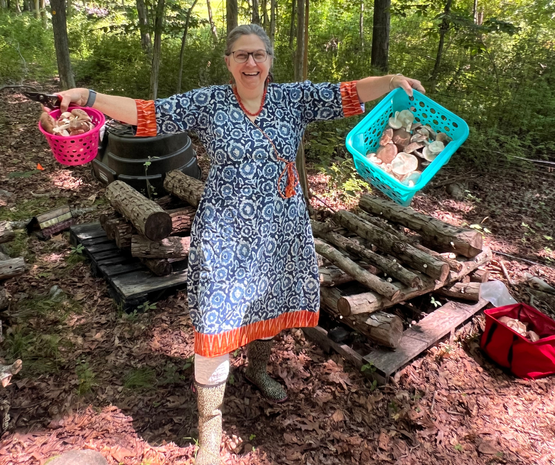
Saying Goodbye
to Jennifer Lerner
After more than 21 years of sharing her expertise in natural resources (and so much more) with her coworkers, Master Gardener Volunteers and the public, Senior Resource Educator Jennifer Lerner is hanging up her hat and retiring from CCE Putnam. Join us Monday, June 15 from 1-5 p.m. at Cornerstone Park, 1 Fair St. in Carmel for an Open House retirement celebration. Come and share memories and laughter as we wish Jen well on her next adventure! Light refreshments will be served. RSVP to Kelli DelGiorno at kad28@cornell.edu or 845-278-6738.

Hudson Valley Gives
and We Are Grateful
Thank you to those who donated during our 24-hour Hudson Valley Gives Campaign! Your donations will go toward our Cornell Barn & Education Center building project.
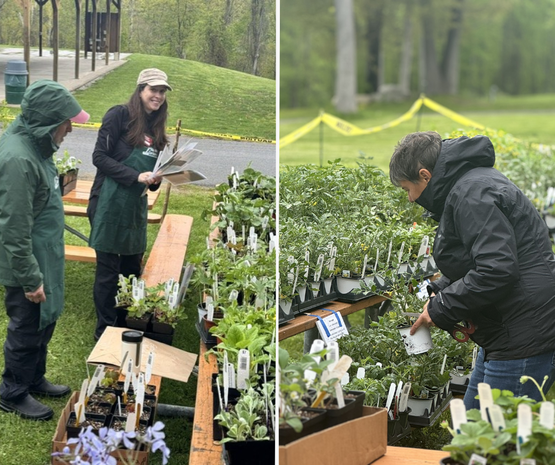
Successful MGV Plant Sale Focused on Native Plants and Vegetables
Our May MGV Plant Sale was a huge success! Thousands of vegetable and native plants were sold during the May 9 event. In fact, we only had a table or two of plants left to sell outside the office the following week. From tomatoes and herbs to pollinator friendly flowers, our Master Gardeners put together an incredible sale. This year, the focus of the plant sale were native plants that attract pollinators and container vegetable gardens for small spaces. Proceeds from the Plant Sale benefit our Master Gardener programs and their annual scholarship.
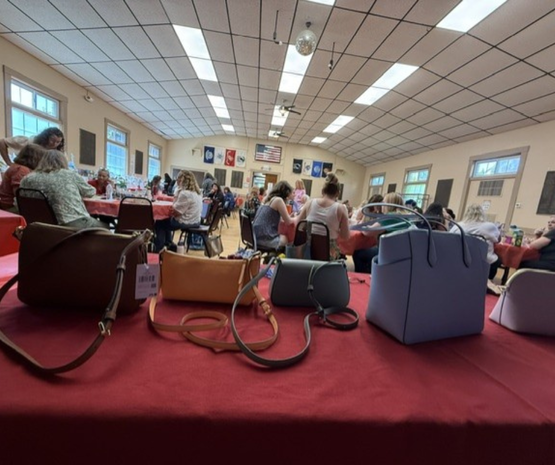
First Designer Handbag Bingo Raises Funds for CCE Education Center
Our first-ever Designer Handbag Bingo fundraiser was a fun afternoon of sharing our mission, supporting local businesses and organizations with great raffle basket items, raising funds for our building campaign, and, of course, playing nine rounds of Bingo with beautiful designer handbags as prizes. We raised more than $4,000 as well as community awareness about the work CCE does throughout Putnam County. Special thanks to Kate Corsitto, American Cancer Society senior development manager and Mahopac resident, who joined our event committee to bring us her expertise in event fundraising!
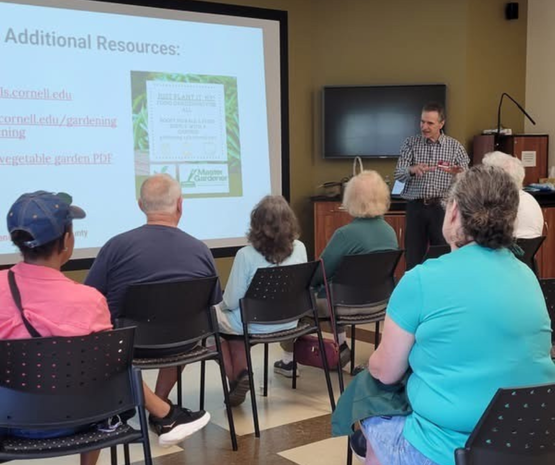
MGVs Teach Gardening at Patterson Library
Recently, a group of Master Gardeners headed to Patterson Library to talk about planting vegetable gardens. Our MGVs work with libraries and other organizations to talk about a number of gardening topics and all of our libraries have seed libraries that allow residents to take seeds to plant at home. Check out your local library's calendar of events or take a trip to browse their amazing seed libraries!
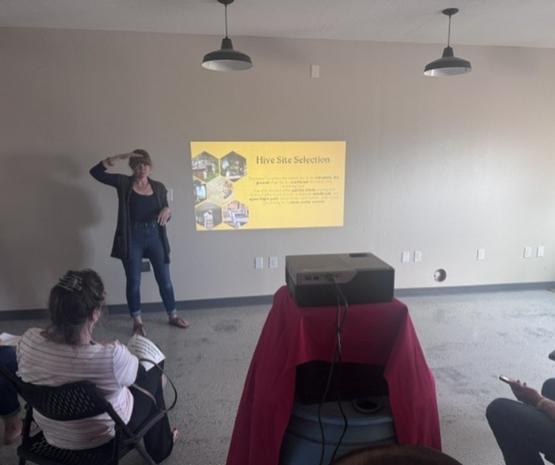
Bee-ginners Learn the Basics of Beekeeping
4-H Educator Brandy Keenan was joined by Jenna Sadecki of Agriventures Agway for a presentation "To Bee or Not to Bee." Those in attendance learned the basics of beekeeping from hive selection to swarming to preventing parasites. This was the second in a series of collaborative presentations CCE Putnam is offering with Agriventures Agway. The next presentation will be held June 30 and will focus on gardening with children.
.png?1774972231)
Vendors Wanted for County Fair & 4-H Showcase
We're looking for vendors for the upcoming Putnam County Fair & 4-H Showcase taking place July 25 & July 26 at Putnam County Veterans Memorial Park, 201 Gipsy Trail Road, Carmel.
Showcase your business, crafts, food, products, or services in front of a great local crowd during this annual community event!
- Craft Vendors
- Handmade Goods
- Local Businesses
- Food Vendors
- Nonprofit Organizations
- Specialty Items & More
Spaces are limited - reserve yours today!
For more information & application contact the park staff at 845-808-1994.
At a Glance ..
NYSFOLA Regional Conference
Friday, June 5
9 a.m. to 12:30 p.m.
Sedgewood Club
810 Golf Ridge Road
Carmel, NY 10512
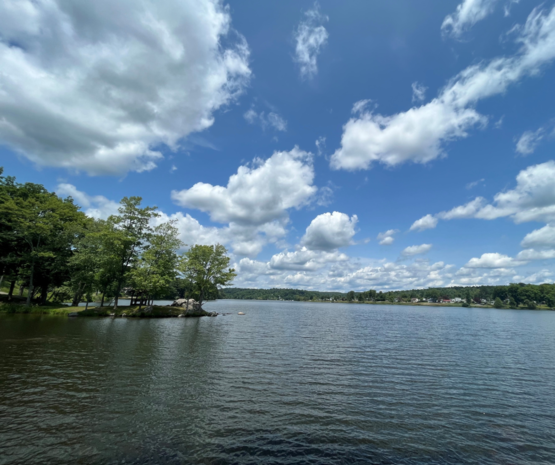
Lower Hudson Lakes' NYS Federation of Lake Associations (NYSFOLA) Regional Conference will be held June 5 at Sedgewood Club, on the shore of China Pond in Kent.
Speak with experts. Connect with local lake users. Share ideas and experiences.
Speakers and topics:
- Welcome & NYSFOLA update – Janet Andersen, NYSFOLA Secretary
- Building communities at Peach Lake – Warren Lucas, North Salem Supervisor
- Septic Advances to Safeguard Lake Kitchawan – Tia Trate & Emily Nealon, Woodard &Curran
- Action through Connection – Emily Vail, Executive Director, Hudson River Watershed Alliance
- Native Plants Belong at Your Shoreline – Carolyn Summers, Adjunct Professor, WCC Native Plant Center
Sessions run through 12:30 pm. Stay for lunch to network!
Registration includes snacks and lunch.
No walk ins please!
Fee: $35
Register HERE.
.png?1777316584)
Agritourism Webinar Series
Through Dec. 8
12 to 1 p.m.
Online
Join the Cornell Cooperative Extension Agritourism Program Work Team for a monthly webinar series designed to support both new and established agritourism operators.
This educational series provides practical guidance, timely tools, and real-world strategies to help farms strengthen agritourism operations, manage risk, enhance visitor experiences, and improve long-term business sustainability.
Webinars are held on the second Tuesday of each month from 12-1 p.m.
2026 Webinar Schedule:
- June 9: Website User Experience
- July 14: Extending the Agritourism Season
- August 11: Agritourism on Dairy Farms
- September 8: Hosting Kids Camps
- October 13: Understanding Agricultural Assessments
- November 10: Using Online Platforms
- December 8: Deep Dive into Agritourism Insurance
Webinars made possible through funding from the USDA NIFA Beginning Farmer and Rancher Development Program.
Fee: Free
Register HERE.

Business Development and Marketing Monthly Webinar Series
Through Dec. 15
12 to 1 p.m.
Online
Join Cornell Cooperative Extension for a Business Development and Marketing Zoom series. These monthly webinars will take place on the third Tuesday of each month and focus on a variety of business development and marketing topics. All sessions will be led by content experts across the Cornell Cooperative Extension system, organizations and businesses which support agricultural operations across New York State. The list of topics and dates are listed below:
- June 16: Social Media Overview
- July 21: Leveraging AI for Digital Marketing and Content Creation
- August 18: Produce Auctions: Are They Right for Me?
- September 15: Grant Writing 101
- October 20: Business Structures 101 with COUGHLIN & GERHART, LLP
- November 17: How to Evaluate Market Opportunities
- December 15: Overview of Market Channels & Requirements for Participation
Fee: Free
Register HERE.

2026 Cut Flower Webinar Series
Through Dec. 16
12 to 1 p.m.
Online
Cornell Cooperative Extension’s Cut Flower Program Work Team invites cut flower growers to join a free monthly webinar series focused on practical, research-based strategies to support successful production. All webinars will be recorded.
Pre-Registration Required: https://cornell.zoom.us/webinar/register/WN_-NBSilfISga_DRdiObJj4g#/registration
- June 17: Cover Crops for Sustainable Crop Production
- July 15: Using Beneficial Insects in High Tunnel Cut Flower Production
- August 19: Analyzing Soil Test Results and Calculating Fertilizer Needs
- September 16: Mischievous Mildews
- October 21: Forcing Tulips
- November 18: Growing Gorgeous Dahlias the Regenerative Farmer’s Way
- December 16: High Tunnels: Ranunculus and Anemones.
All webinars will be recorded and links shared.
Fee: Free
Register HERE

Utility Bill Workshop with Cornell Cooperative Extension
Wednesday, July 8
6 to 7 p.m.
Kent Library, 17 Sybils Crossing, Carmel
This workshop provides a detailed overview of how to read and understand your utility bill and will show us practical ways to make our homes more energy-efficient, lower utility bills, and take advantage of local energy-saving programs. Registrants are being asked to bring their utility bills.
Presented by Sean Seary, Community Energy Advisor | Program Manager with Cornell Cooperative Extension.
This program is for adults. Registration is Required.
Fee: Free
Register HERE.
Lead Testing Rates for Children Decline, Reports Health Department
from Putnam County Department of Health
Lead exposure is dangerous for children because it often presents no early symptoms while causing serious health problems. Even low levels of lead in a child’s blood can result in learning disabilities, developmental delays, and permanent brain damage. For this reason, New York State recommends that children receive lead testing at ages one and two.
Despite these recommendations, data from Putnam County’s 2025 community health assessment, known as the CHA, shows a three-year decline in the rate of children being tested for lead. In fact, 58 percent of children born in 2019 did not receive both lead tests, well below the state goal of 70 percent. Once a child has been tested and identified with high lead levels, the health department’s environmental and nursing staff work with families to identify the source of lead poisoning and implement interventions to lower the levels. Families that are renting, the health department staff can even advocate for them with the landlord.
Angelica Capetillo, a mother whose son had an elevated blood lead level, talked about her experience working with a public health sanitarian at the health department Daniel Reis. She said, “The pediatrician’s office referred us to the health department and Danny called to see if we were comfortable with their team visiting and to check the house and items like pots, pans, and toys—things that could possibly have lead.”
When Danny arrived, he checked the walls, doorways, and windows, and found lead.
Lead is a tasteless and odorless element found in the earth, so it is easy to miss. But it can contaminate the air, food, water, and even homes. Homes built before the 1978 ban on lead-based paint pose a greater risk for lead exposure and many homes in Putnam were built before this ban. When paint chips or peels, or is disturbed during household renovations during the spring or other times, children can easily ingest it. Children face a greater risk because their bodies are still developing and able to absorb more lead than adults. Lead exposure can damage the brain and nervous system causing slowed growth, speech and hearing problems, learning and behavioral challenges, and reduced IQ.
For more information about lead testing and prevention, speak with your child’s healthcare provider or contact the Putnam County Health Department at 845-808-1390
For more information, visit the county website at www.putnamcountyny.gov.
Tips for Staying Healthy During a Heat Alert
from Putnam County Department of Health
As summer temperatures rise, the Putnam County Department of Health offers a few ways to stay healthy in the heat:
- Wear lightweight, light-colored, and loose-fitting clothing.
- Stay in air conditioning as much as possible.
- If air conditioning is not available, a cool shower or bath can help, or visit one of the cooling centers listed below for more extended relief.
- Drink plain water or sports drinks, which can help replace salt and minerals lost during heavy sweating.
- Avoid sugary or alcoholic drinks which can dehydrate you.
- Limit outdoor activities. If you must go out, schedule them for morning or evening when it is cooler.
- To reduce risk during outdoor work, take frequent rest breaks in shaded or air-conditioned environments.
- Check on vulnerable friends, family members, and neighbors. This includes older adults and people with mental illness or chronic diseases.
- Never leave children or pets in a parked car, even with the windows rolled down.
Putnam County libraries can offer a break from the heat.
- Brewster Library—845-279-6421
- Desmond Fish Library—845-424-3020 (Garrison)
- Julia L. Butterfield Library—845-265-3040 (Cold Spring)
- Kent Library—845-225-8585
- Mahopac Library—845-628-2009
- Patterson Library—845-878-6121
- Putnam Valley Library—845-528-3242
- Reed Memorial Library—845-225-2439 (Carmel) (not wheelchair accessible)
- Temple Beth Shalom—845-628-6133 (Mahopac)
Resource: www.wpc.ncep.noaa.gov/heatrisk.