Happenings July 2026

July 2026

Putnam County Fair Returns in July, Celebrating History, Culture and Community
by Rachael Paradise, Communications Coordinator
Each summer, the Putnam County Fair & 4-H Showcase bursts to life with the energy of local talent, commitment to community and the unmistakable spirit of 4 H youth leadership. This year's event will once again transform Veterans Memorial Park into a celebration of history, hard work and community connection, offering a living snapshot of Putnam County and its residents.
The Putnam County Fair & 4-H Showcase returns July 25–26 to Putnam County Veterans Memorial Park, offering a fun-filled weekend of family-friendly entertainment, educational exhibits and community activities — all with free admission and parking.
“The Putnam County Fair & 4-H Showcase is a tradition rooted in community spirit,” said Stefanie Hubert, executive director of Cornell Cooperative Extension Putnam County. “Each year, it brings together families, local organizations and talented youth to celebrate what makes Putnam County special. From hands-on exhibits to food, crafts and entertainment, the fair strengthens connections and honors the timeless spirit of summer in our county.”
The fair’s 4-H Showcase will include youth demonstrations, animal exhibits, archery and horse presentations. Attendees can also enjoy gardening advice from Master Gardener Volunteers, a pollinator garden display, youth exhibits, sewing and, new this year, the Big Beautiful Blossom Adult Flower Exhibition.
With Rev 250 in full swing, this year’s fair will celebrate “Revolutionary Putnam County” with reenactors performing throughout the weekend and exhibits and displays celebrating Putnam’s place in the early history of our nation.
“The Putnam County Fair is one of the best traditions of the summer, bringing together families, farmers, students, local businesses and community organizations from across our county. As we celebrate America’s 250th anniversary, this year’s focus on Revolutionary Putnam County gives us a unique opportunity to honor our local history while showcasing the talents, hard work and civic spirit that continue to make Putnam County such a special place to live, work, and raise a family. I encourage everyone to come out and enjoy this outstanding community event,” said Putnam County Executive Kevin Byrne.
“2026 is a year of historic celebration, and there’s no better place to experience it than at the fair,” said Putnam County Historian Jennifer Cassidy. “Revolutionary Putnam County brings history to life with action, adventure and fun for the whole family. Whether you’re watching a reenactment, trying a hands-on activity or meeting the historians and volunteers who keep our stories alive, there’s something to spark curiosity and create memories for visitors of all ages.”
Additional attractions include:
- The NY Cruisers Car Show (Saturday; rain date Sunday)
- K9 demonstrations by the New York State Police and Von Wolfenfels K9
- Corgi races
- Live music and a DJ throughout the weekend
- Food trucks, craft vendors, inflatables, games and pony rides
The fair will be open Saturday, July 25, from 10 a.m. to 7 p.m., and Sunday, July 26, from 10 a.m. to 5 p.m., at 201 Gipsy Trail Road in Kent.
If you’re a student looking for community service hours or an adult who simply enjoys lending a hand, consider volunteering at the fair! Sign up at: https://volunteer.bloomerang.co/JE/0ffkn84xbg15yh
Bug of the Month: The Burying Beetle
by Janis Butler, Master Gardener Volunteer
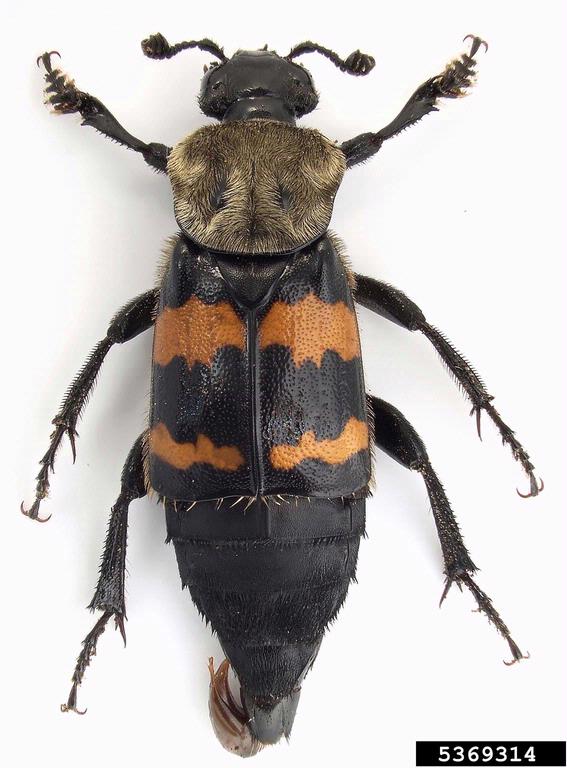
The next time you find a dead bird beneath a window or catch a mouse in a trap, don’t put it in the trash. Consider leaving or putting it outside instead, out of the way of human traffic. It will probably be gone by the next day. Maybe a hungry bird or other scavenger will scoop it up but it’s also likely that a burying beetle will be grateful for the food and habitat it provides.
In their role as key decomposers, burying beetles not only clear the land of dead bodies but also, by recycling the decaying flesh, help return nutrients to the soil. Carrion is important to nutrient recycling because it decomposes much faster than plants and is much more nutrient-rich than the same amount of plant matter.
What exactly do burying beetles (Nicrophorus spp.) do? In short, they excavate a hole in the ground under a carcass until it settles in; then they bury it. They have evolved an amazing tool kit of physical adaptations that enable them to do this.
First, their antennae. Large and club-like, their antennae are equipped with hyper-sensitive chemo-receptors that can detect the specific airborne chemicals expelled by decaying animals. They can sense a dead animal up to two miles away, within an hour of its death.
This is important since burying beetles are active at night and rely on their antennae to guide them through the dark. They must arrive at a carcass quickly, before it’s discovered by a crow or raccoon or army of ants. A corpse is the trysting spot for male and female burying beetles who, once they’ve met and agreed upon mutual attraction, will fight off any rivals to secure their odorous prize, males fighting males and females fighting females. However, if the carcass is large enough — pigeon-size, for example — several couples might share it.
Then the hard work, for which they are named, begins. Though burying beetles are large as insects go (1 to 1 1/2 inches long), excavating a gravesite for an animal as big as a pigeon or rat or rabbit is a still considerable feat. And they do it very quickly. Both the male and female plow through the soil with their hard heads and flattened legs, working their way under the carcass, scooping and excavating the soil and piling it around the edges as the carcass drops beneath the surface. Sometimes they work on their backs, shuffling the carcass along as though on a conveyor belt.
After covering the carcass with several inches of soil, the beetles use their feet and strong mandibles to clean off any feathers or fur and work the carcass into the shape of a ball. Once the carcass is snuggled into a hole — usually six to nine inches deep — they coat it with antibacterial and anti-fungal secretions to prevent it from rotting so the food lasts for their offspring.
The female lays about 30 eggs on or near this “brood ball” and when they hatch several days later, some extraordinary parenting begins. Few species and even fewer insect species are as devoted at parenting as the burying beetle. Both parents participate in the raising of the young. The parents chew the remains of the corpse into a mash and regurgitate it to feed the grub-like larvae until they are able to feed themselves. As the carrion is broken down by the beetles, nitrogen, phosphorus, potassium, sulfur, magnesium, and sodium increase in soils underneath.
Once able to feed themselves, the larvae feed on the carcass for about a week, then pupate in the nearby soil. After another month, they emerge as adult beetles. By now it’s late in the summer and the new adults start looking for an underground spot to spend the winter, emerging in the spring to start the cycle anew.
Burying beetles’ mite-y friends
Pictures of burying beetles often show them covered in tiny orange mites. These mites are hitching a ride, eager to go where the beetle goes because, when the beetles arrive at fresh carrion, the mites eagerly devour any fly eggs, especially blowfly eggs, from flies that might have beat them to the feast. If allowed to hatch, the fly larvae would compete with the burying beetle larvae for food so both species benefit.
Are burying beetles pollinators?
Surprisingly, the answer is “yes.” Some malodorous flowers like those of pawpaw and skunk cabbage imitate the smell of rotting flesh to attract pollinators like burying beetles. As the beetles crawl over the flowers searching for carrion, pollen clings to their bodies and is carried to other plants.
How to help burying beetles
Off the 70-plus species of burying beetle, one in particular, the American Burying Beetle (
Nicrophorus americanus) deserves special mention because it’s on the critically endangered list. Lost and degraded habitat are the main culprits. N. americanus now occupies only 10% of its historic range.
Help by leaving small dead animals alone or moving them out of the way rather than disposing of them in the garbage. Scavengers like burying beetles depend on them. Of course, use common sense in deciding to do so, especially if you have pets or small children.
Turn off the lights: Burying beetles are nocturnal; artificial lighting disturbs them. Use outdoor lighting that is motion-sensitive, so it won’t unnecessarily upset the nighttime rhythms of burying beetles and many, many other night-loving creatures.
Photo credit: Susan Ellis, USDA APHIS PPQ via bugwood.org (CC BY 3.0 US)
Is Your Pollinator Garden Messy? "Cues to Care" Can Help
by Erika West, Master Gardener Volunteer, Putnam Pollinator Pathway

Perhaps you have created the garden of a bee’s dream. You’ve filled your garden with natives, sought out straight species, embraced the “weeds”, and ensured a beautiful sequence of blooms spring to fall. Perhaps you have left the leaves on your lawn and garden beds in the fall to protect overwintering bees, butterflies and other beneficial insects. Your garden is buzzing and humming with life. Success!
There is only one problem: your neighbors don’t share your enthusiasm for the habitat you’ve created.
“Messy”, “unkempt”, “weedy”: these are words often used to describe ecologically forward gardens. Cultural norms have long dictated expansive lawns, clipped hedges, and perennials carefully dotted throughout the front bed. Despite the growing popularity of naturalistic gardens, landscapes outside the norm are often judged harshly. The perception that your property is neglected can have real consequences: visits from the town, fines from your homeowners’ association, demands you clean up your space. So, what can an ecologically-minded gardener do? The answer may lie in addressing the chief misperception that you don’t take care of your property.
“Cues to care” are landscape elements that communicate intent and care of a landscape. They are hints to neighbors and passersby that your garden is intentional and meets cultural expectations for management. The concept was first written about by professor and landscape architect Joan Iverson Nassauer in an essay entitled “Messy EcoSystems, Orderly Frames” (1998). Nassauer’s research indicates people view landscapes through the lens of neatness and order. While calls to reexamine our notions of beauty and embrace ecological “mess” are growing, there remains a perceptual divide between traditional and ecological. To bridge the gap, Nassauer recommends incorporating familiar elements from traditional landscaping into non-traditional landscapes.
Since Nassauer coined the term, “cues to care” have been embraced and expanded upon within the horticultural and ecological communities. Read on for some of the tried-and-true elements; take what you like, leave what you don’t. We hope this two-part series inspires you to carry on and perhaps find your own way to translate your landscape into an understandable language for the public.
PART ONE: Basic Design Elements
Frame the View
Mowing:
Given society’s proclivity for expansive lawns, mowing is king in communicating care of a landscape. Incorporate this cue by: 1) mowing paths through meadows, and 2) mowing borders around natural-looking areas. Mowing is inviting and evident of human presence. Mowed borders are especially important for creating separation from walkways and roadways. Plants spilling into these areas may create uncomfortable plant or animal interactions for passersby and contribute to hazardous situations due to limited visibility of cars, pedestrians, and wildlife crossing. Further, mowed borders have a similar effect to the frame of a painting: they protect, enhance, and communicate value.
Crisp Edges:
Maintaining a crisp edge between lawn and garden will also have this effect. A shovel, half-moon edger, electric edger, or even a string trimmer can all help achieve the neat, orderly, distinction of spaces that people find culturally attractive.
Create a Sense of Welcome
Pathways:
Let people know your landscape is open to humans as well as wildlife. Create pathways of mown grass, stone or mulch.
Structural Cues:
Arbors, trellises, and benches demonstrate this is a place for humans to explore, rest, and reflect.
Wildlife feeders, houses and birdbaths are easily recognizable elements of intent that help cue plantings as wildlife habitat not weeds. Furthermore, studies show people appreciate songbirds and efforts to support them (Messy Ecosystems, Orderly Frames, 1998).
Foundation Plantings:
Second only to lawns, foundation plantings are a well-known cultural expectation for home landscapes. A well-executed foundation planting adds to the overall perception of your property, allowing natural areas to fit within a greater scheme of care. Cultural expectations dictate plantings should cover the foundation but not obscure windows or doors. Keeping shrubs trimmed and planting in rows or linear designs can further communicate intent and care.
Use Bold Patterns
Nassauer’s research and the success of public gardens like New York City’s Highline and Chicago’s Lurie Garden point to the appeal of bold patterns in a landscape. Limiting and grouping plant species in large blocks or drifts that repeat throughout your landscape enhances “readability” - or the ease with which viewers take in and interpret your landscape. It’s a simple and visually restful style with the “wow” factor that comes from large sweeps of color.
If you’re gardening in a smaller space or you desire greater plant mingling and species diversity than large blocks and drifts would allow, consider limiting your color scheme or emphasizing plant structure and form over color. Smaller, repeating patterns are still great for communicating intent and with less color, they feel less jumbled or overwhelming. There’s also no reason you can’t combine both block and intermingling.
What’s more, these planting styles aren't just appealing to humans. Pollinators are also drawn to flowers planted “en masse”. Massed plants are easier for pollinators to find and provide efficient foraging. Many bee species, for example, only collect and use pollen from one flower type at a time - a behavior essential for pollination. Multiples of a single plant type allow these pollinators to collect more food at once and conserve energy by reducing trips to the nest. It also ensures that caterpillars hosting on a plant have enough to eat and may result in more leaves that aren’t chewed and ragged-looking.
Consider Size and Scale
Sky-high perennials, colonies of dense shrubs, and obstructed views can be intimidating. To bring a sense of safety and the picturesque to your garden, consider keeping plant height in check. Low to medium varieties and rounded forms read as neat and are easy to incorporate in most landscapes.
You might also consider the scale of plants as they relate to the size of your garden bed and to each other. Plantings that overwhelm your bed or drastically vary in height may read as messy, unplanned, and out of balance. To keep scale in check, consider these tips from professional landscape designers: 1) choose plants whose mature height are no more than half the bed width, 2) keep plants within 1/3 the height of plants in their immediate vicinity, 3) keep the average perennial height at 18-24 inches and, if you want architectural drama, include pops of plants at greater heights repeating throughout your space.
Add Signs
Let observers know your garden’s purpose with a “Putnam Pollinator Pathway” or other habitat sign. When a garden is in its infancy or going through a transition, signs can be especially useful for communicating intent. They also open the door to conversation, offering opportunities to educate and inspire other homeowners on the importance of native plants and habitats.
Photo credit: Native Home Landscape in Late Spring” by Suse_dc, CC BY 4.0
Sustainable Parasite Control for Sheep and Goats
by Ruby Koch-Fienberg, Ag & Food Systems Coordinator
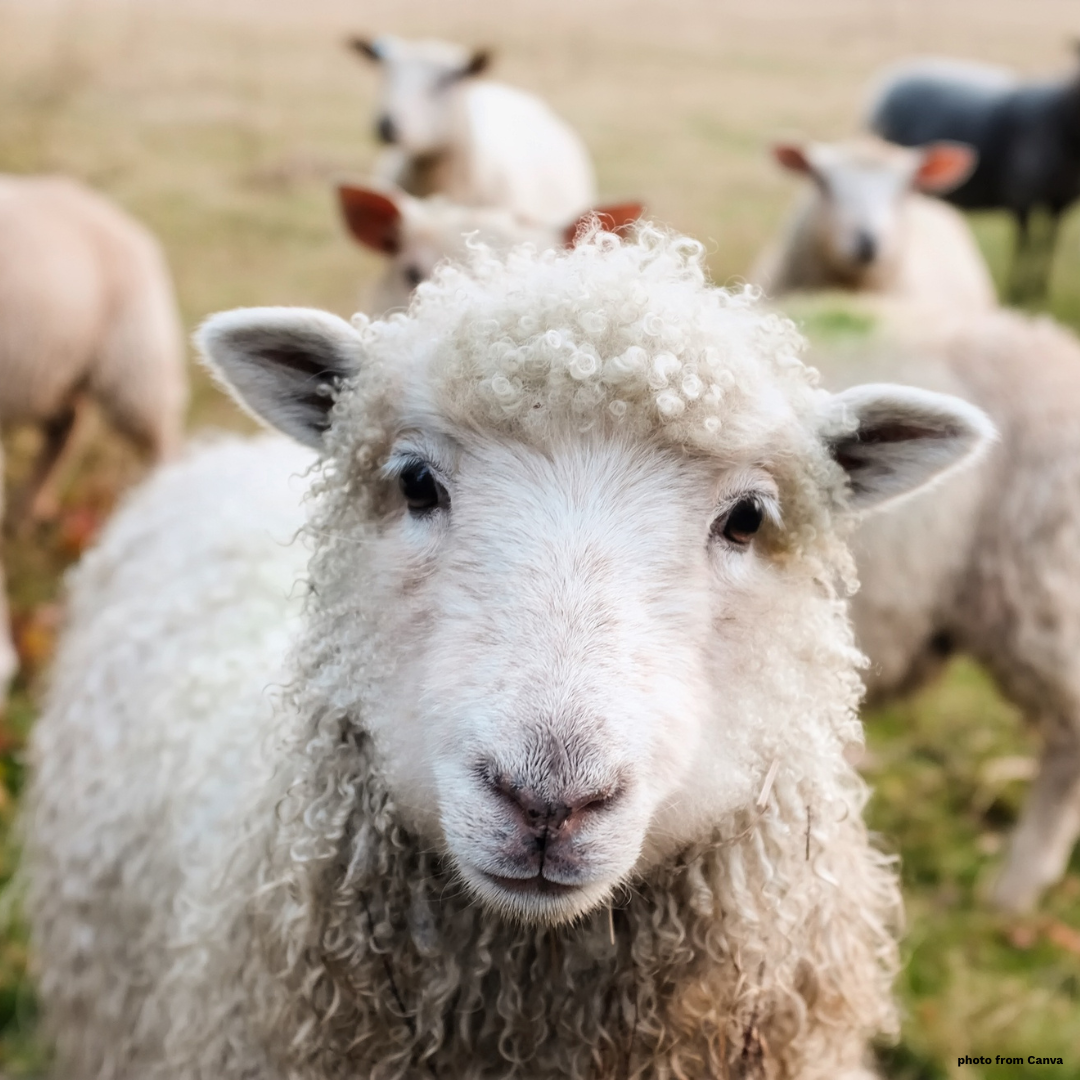
For many small ruminant producers, parasite pressure is at its highest during warm, wet weather, making midseason management especially important right now. In humid regions and on irrigated or closely grazed pastures, internal parasites can quickly build up, reducing weight gain, increasing treatment costs, and in severe cases causing animal deaths.
Sheep and goat production can be a strong fit for small and diversified farms, but gastrointestinal parasites—especially Haemonchus contortus, also known as barber pole worm—remain one of the biggest production challenges. The challenge is growing because parasites on many farms have developed resistance to common chemical dewormers, which means older whole-herd treatment habits are often less effective than they once were.
A recent fact sheet from Sustainable Agriculture Research and Education (SARE), updated in 2026, highlights a more sustainable path forward: integrated parasite management. Rather than relying on frequent whole-flock or whole-herd deworming, this approach combines targeted treatment, grazing management, animal observation, and longer-term breeding decisions to reduce parasite problems while helping preserve the effectiveness of the dewormers that still work.
Smarter Use of Dewormers
One of the most important takeaways is that dewormers should be used selectively, not automatically. The fact sheet recommends confirming which products are still effective on a farm by using a fecal egg count reduction test, with an effective treatment reducing egg counts by about 95%.
Correct dosing also matters. Producers need to know each animal’s weight, and goats often require 1.5 to 2 times the sheep dose for many dewormers, depending on the product. Giving the drench correctly—over the tongue and into the back of the throat—also improves treatment success.
Watch the Animals Closely
The FAMACHA© system is one of the best-known tools for targeted selective treatment. By checking the color of the lower eyelid, producers can identify animals showing anemia associated with barber pole worm and treat only those that truly need it.
This matters because research cited in the fact sheet notes that about 80% of a herd’s parasites may be carried by just 20% of the animals. Keeping records and culling chronically susceptible animals can strengthen the flock or herd over time, reduce pasture contamination, and lower drug costs. The publication also notes that FAMACHA© use can reduce dewormer use by as much as 90% when applied appropriately.
Because not all parasites cause anemia, FAMACHA© works best alongside the Five Point Check. This quick assessment includes the nose, eyes, jaw, body condition, and tail area, helping producers spot bottle jaw, diarrhea, poor condition, and other signs that indicate an animal may need attention.
Use Pasture as a Management Tool
Pasture management is just as important as treatment. Since infective larvae are usually concentrated in the lower few inches of forage, maintaining forage height above 4 inches and avoiding overgrazing can help reduce the number of larvae animals consume.
Other helpful practices include rotating animals before eggs hatch into infective larvae, resting pastures when possible, cutting contaminated fields for hay, planting annual forages in prepared seedbeds, and using co-grazing or alternate grazing with cattle or horses when appropriate. Goats may also benefit from access to browse, since upright plants can reduce close-to-the-ground exposure where larvae are concentrated.
Additional Tools in the Toolbox
The SARE fact sheet also describes several complementary strategies. These include low-dose copper oxide wire particles for barber pole worm control, nematode-trapping fungi such as Duddingtonia flagrans to reduce larvae on pasture, and sericea lespedeza as a tannin-rich forage that may help lower parasite loads in some situations.
Each of these tools has limits and management considerations. For example, copper must be used very carefully because sheep are especially vulnerable to toxicity, and sericea lespedeza may not be appropriate in every state or ecosystem. The fact sheet emphasizes that these approaches work best as part of an integrated system, not as stand-alone fixes.
Long-Term Resilience
For producers thinking beyond this season, genetic selection is another promising strategy. The fact sheet reports that selecting replacement animals with lower fecal egg counts and better FAMACHA© scores can improve resistance over time, and some breeds have shown greater parasite resistance than others.
The publication also cautions against relying on remedies that have not performed well in research trials. Diatomaceous earth, garlic drenches, and various herbal dewormers did not consistently reduce fecal egg counts or anemia in the studies summarized in the fact sheet. For Putnam County producers, the message is clear: parasite control works best when it is proactive, targeted, and built into the whole farm system. With warm-weather parasite pressure underway, now is a good time to review grazing plans, monitor animals closely, and use research-based tools that protect both animal health and long-term farm viability.
Adapted from https://www.sare.org/wp-content/uploads/10AGI2011.pdf
4-H News: Hay You! Livestock Club Learns about Guinea Fowl Care
by Brandy Keenan, 4-H Educator
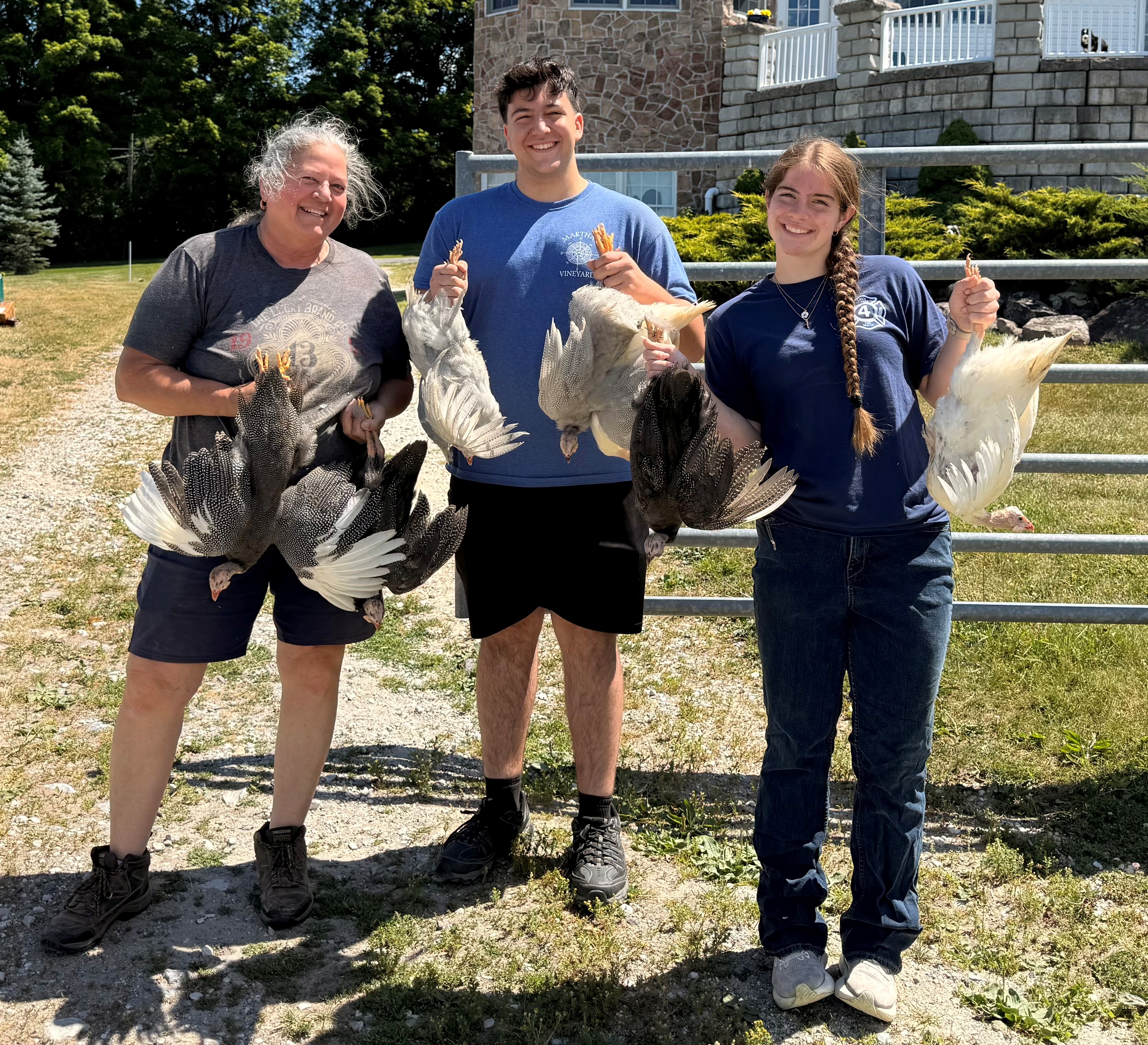
The Hay You! Livestock Club continues learning and exploring different aspects of animal husbandry. This month they learned about lice: how it is species specific, how to spot an infestation, how to treat, and how to minimize lice in livestock. They also helped transport young guineas from the brooder to a larger coop to get acclimated before being allowed to free range.
Guinea fowl are highly beneficial due to their voracious appetite for pests like ticks, beetles, and grasshoppers. They serve as natural alarm systems by loudly alerting owners to predators or intruders, and unlike chickens, they forage without scratching up or destroying garden plants.
Their eggs are also incredibly delicious and highly nutritious. They boast a richer, creamier, and slightly gamier flavor than standard chicken eggs because of their high yolk-to-white ratio.
Telling male and female guineas apart can be difficult unless you just listen to them. Males make a harsh, one-syllable "chi-chi-chi" or "kek-kek", which the females can also make. However, only females can make a distinct two-syllable "buck-wheat" sound. You hear that, and it's a female!
Guinea fowl have a rich history spanning thousands of years, originating as wild birds in the sub-Saharan savannas of Africa. Though native to Africa, they were later domesticated by ancient Mediterranean civilizations, introduced to Europe by Portuguese explorers, and eventually brought to the Americas by early settlers.
Let's Talk About Ticks
by Jennifer Lerner, Senior Resource Educator
Tick Talk
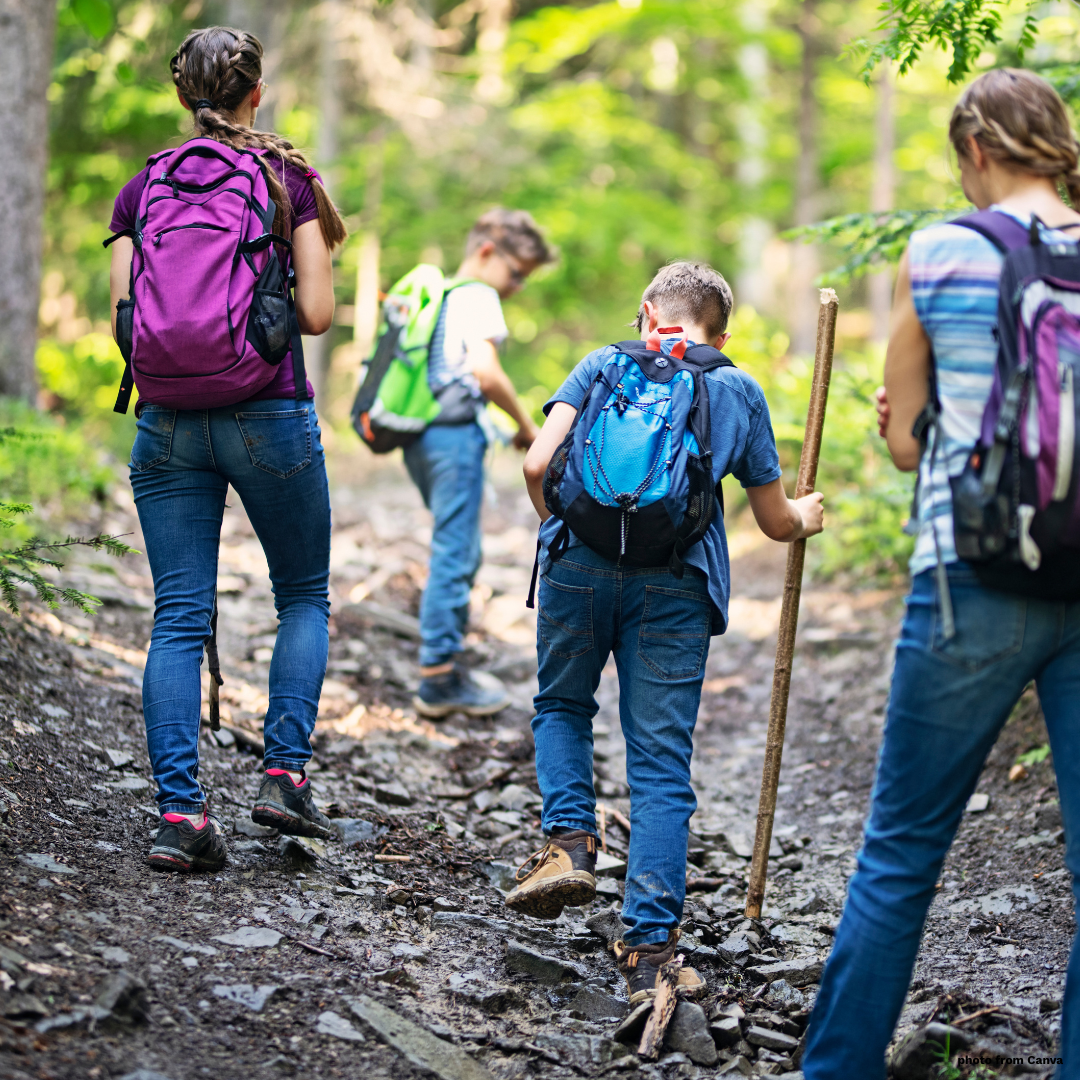
Misinformation and panic about ticks abound. Here in the lower Hudson Valley, several tick species cause disease in humans either by vectoring pathogens or eliciting strong reactions in their host. One tick can carry many pathogens. So, take action to protect yourself, your family, and your pets. But where to start when misinformation abounds? We want to share two great websites with well-documented information about the species of ticks found in our region and the pathogens they carry.
The first is Cornell IPM’s “Don’t Get Ticked NY” resource with easy-to-understand information on tick biology and identification and how to protect yourself against tick bites. Avoiding the bite in the first place is the most important step, and that means a variety of tactics from protecting yourself from questing ticks as well as doing daily tick checks when you’ve been enjoying the great outdoors. You’ll find useful suggestions for avoiding tick habitat, managing your landscape to reduce tick risk, and more.
Our second favorite tick site is “Tick Encounter” from University of Rhode Island, which covers ticks throughout the United States. You’ll find an interactive map of ticks active in your region reported real time. They also have excellent photos of tick species they do have can be very helpful for identification. Note that not all the ticks listed are present where you live in New York, and they are also missing some species that we do have in NY.
Tick Removal and Testing
Misinformation about tick removal continues to be prevalent. Here, you’ll find a video tutorial and instruction on safe tick removal from Cornell IPM. This method reduces the chance that the tick will eject its stomach contents as it is removed. If you are unsure of the tick species, most county Cornell Cooperative Extension offices, including ours, offer pest identification services. Knowing what tick species may help you understand what diseases the tick may have carried. Though tick testing services are available from some organizations, Cornell IPM follows the CDC recommendation of not having the tick tested for disease diagnosis. Why? You might have gotten sick from the tick you didn't find.
From the CDC website:
- Negative results can lead to false assurance. You may have been unknowingly bitten by a different tick that was infected.
- Laboratories that conduct tick testing are not required to have the high standards of quality control used by clinical diagnostic laboratories. Results of tick testing should not be used for treatment decisions.
- Positive results showing that the tick contains a disease-causing organism do not necessarily mean that you have been infected.
- If you have been infected, you will probably develop symptoms before results of the tick test are available. If you do become ill, you should not wait for tick testing results before beginning appropriate treatment.
General site links
Don’t Get Ticked NY: cals.cornell.edu/integrated-pest-management/outreach-education/whats-bugging-you/ticks
Tick Encounter: web.uri.edu/tickencounter/
Celebrate National Blueberry Month with a Berry Delicious Recipe
from Josephine Quiocho, Nutrition Educator
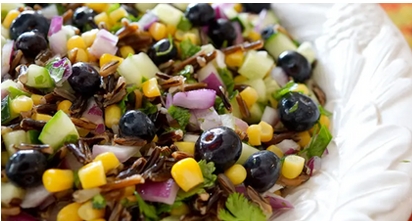
Corn, Blueberry and Wild Rice Salad
This savory dish features wild rice and blueberries, a fun way to add flavor and color to any salad!
Ingredients
- 2 tablespoons Lemon Juice about 1/2 lemon
- 2 tablespoons Olive Oil
- 2 teaspoons Honey
- 1 teaspoon Salt
- 1 1/2 cups Corn fresh, frozen or canned
- 1 cup Blueberries fresh or frozen
- 1 cup Wild Rice or 1 cup Brown Rice
- 1 Cucumber finely diced
- 1/4 cup Red Onion finely diced or 1/4 cup Scallions finely diced
- 1/4 cup Cilantro Fresh, chopped
Directions
1. Make the dressing: In a large serving bowl, combine lemon juice, olive oil, honey, cumin, and salt. Whisk together with a fork.
2. In a medium saucepan, cook rice according to package instructions.
3. Add corn, blueberries, rice, cucumber, onion, and cilantro. Stir together all ingredients to coat them evenly with dressing.
4. Serve immediately, or cover and refrigerate 1 hour to let flavors meld.
Find the recipe at SNAP-Ed NY: https://snapedny.org/videos/corn-blueberry-and-wild-rice-salad/


Last updated July 1, 2026


Emily Saenz, Food Systems Intern
Emily grew up in Putnam Valley, and after finishing her undergraduate studies in Anthropology at Binghamton University, spent the following years participating in archaeological fieldwork throughout the southeast, southwest and California. Along the way, she collected a dozen National Park pins, earned her 200-hour yoga teacher certification, and discovered a love of experimenting with food thanks to her CSA membership.
Finally, after 5 years in Arizona, she moved back to the Hudson Valley in August of 2025 to begin her graduate studies at Hunter College, focusing on nutrition. Currently in her second year of study, Emily is focusing on community nutrition education and life cycle nutrition. She is passionate about incorporating medical nutrition therapy and lifestyle management into the treatment of chronic illness.
When it came time to begin perusing summer internships as part of her graduate requirements, Emily knew she wanted to use this as an opportunity to give back to her own local community. She believes that everyone should have access to healthy food and wellness opportunities and is excited to be part of an organization that values education, research, and outreach. As an intern with the CCE, she is looking forward to participating in the Bountiful Meals program, learning more about the food systems of the region, and participating in the nutrition education and programing sponsored by the organization. Despite having grown up in Putnam County, this July will be her first county fair, and she hopes everyone will stop by the table to say hello to discuss their favorite food!
July is ...

National Hot Dog Month
National Hot Dog Month is celebrated every July in the United States, honoring one of America’s most iconic comfort foods. The observance was first named by the U.S. Chamber of Commerce in 1956, and the National Hot Dog and Sausage Council has promoted the celebration since 1991. The month-long celebration encourages grilling, creative toppings, and enjoying hot dogs in various styles, from classic mustard and onions to chili dogs or international-inspired recipes.
Source: National Hot Dog and Sausage Council

National Anti-boredom Month
National Anti-Boredom Month was founded in 1987 by Alan Caruba, an American writer and public relations consultant. Caruba wanted to combat the dull stretch of summer that often follows the excitement of school letting out, Independence Day and the July heat leaving people feeling listless and bored. In honor of being unbored, learn a new skill, try a new hobby or get outdoors and explore the world around you.
Source: Alachua County Library District

National Ice Cream Month
Ice Cream Month was officially proclaimed by President Ronald Reagan in 1984 to promote the ice cream industry and celebrate the joy of ice cream. The third Sunday in July is designated as National Ice Cream Day. According to the International Dairy Foods Association, the average American eats roughly 18 pounds of ice cream each year and most ice cream companies are family owned and have been in operation for more than 50 years. In 2025, ice cream makers in the U.S. churned out more than 1.23 billion gallons of ice cream.
Source: International Dairy Foods Association
National Park and Recreation Month
Park and Recreation Month celebrates the transformative power of parks and recreation and the
professionals who make them possible. The month emphasizes several key
themes: The Power of Connection, fostering relationships and
community bonds; The Power of Play, encouraging creativity, joy,
and lifelong learning; The Power of Community, providing inclusive
public spaces; The Power of Nature, ensuring access to restorative
natural environments; The Power of Belonging, making everyone feel
valued; and The Power of Well-Being, promoting health and
resilience.
This observance also recognizes the contributions of over 160,000
full-time park and recreation professionals, along with part-time staff and
volunteers, who maintain local, state, and community parks across the United
States.
Have a Water-Safe Summer

from Putnam County Department of Health
When at a local beach, pool, or beyond, water safety should always be a priority. The water conditions should be safe for swimming and safety tips should be followed. Open water, like lakes, rivers, the ocean or a reservoir, can have dangers such as submerged objects, currents and hidden plant life that can challenge or even entrap a swimmer at any skill level. In Putnam County, blue-green algae blooms pose another, increasingly common health risk for all beachgoers.
Each summer, health department staff work with public beach operators to identify blue-green algal blooms on local water bodies. These harmful algal blooms, also known as HABs, can present a serious health hazard to people and animals. If swallowed, blue-green algae can cause nausea, diarrhea, and vomiting. Swimming, walking, or boating through affected water can irritate the skin, eyes, nose, throat, and lungs, making it hard to breathe. Dogs and other pets are at higher risk since they swallow more water while swimming and are not deterred by an algae bloom. That’s why public beaches are closed when a bloom appears. Beach closures are listed on the health department’s website, at putnamcountyny.gov/health/beaches. They can reopen once water testing shows that the bloom is gone.
HABs can appear when certain conditions are met. This includes excess nitrogen and phosphorus, a lot of sunlight, low water flow, calm water, and warm temperatures. As temperatures in New York State continue to increase, this may contribute to more algal blooms in the coming years. A bloom can happen in surface water, on rocks, on the shoreline, or on the bottom of a waterbody. In surface water, it can look like floating paint or scum, and it might be strongly colored blue-green, green, yellow, brown, purple, or red. Pictures can be found below, and also on the beach closure website. If you see blue-green algal bloom on a public beach, report it to the municipality as soon as possible to prevent injury.
To keep your family safe while swimming, keep these tips in mind:
- Know the water—Do not go into open water without knowing the possible dangers specific to the site’s water and weather conditions.
- Know your limits. Drowning often happens when a person swims and gets too tired. Learn to swim, float and tread water, but don’t overestimate your abilities.
- Always use the buddy system—never swim alone.
- Swim where and when a lifeguard is on duty whenever possible.
- Install and use proper barriers and alarms if you have a backyard pool. Do not use the pool if drain covers are missing. Long hair, arms, legs and fingers can get stuck in the drain’s current and pull a person under water.
- Remove pool toys when you finish swimming. Left in the water, toys may attract younger children who may reach for them and fall in.
- Never leave a child near the water unattended even for a moment and avoid any distractions while supervising children.
- Keep all pool chemicals out of reach of children and only use them according to package directions.
Additional Information:
- https://dec.ny.gov/environmental-protection/water/water-quality/harmful-algal-blooms
- https://www.health.ny.gov/environmental/water/drinking/bluegreenalgae/
- https://www.cdc.gov/drowning/data-research/facts/
- https://www.redcross.org/get-help/how-to-prepare-for-emergencies/types-of-emergencies/water-safety/swim-safety.html
- https://childhooddrowningpreventionfoundation.org/
Pet Safe Gardening
from CCE Tioga County
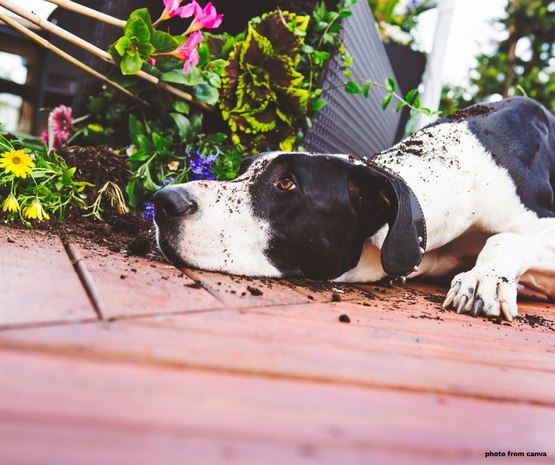
We know you love your pets and want to keep them safe. Here is some useful information to keep your pet happy, healthy and safe in the garden.
1. Know your toxic plants--there are a number of common garden plants that are toxic to cats and/or dogs. For instance, lilies are quite harmful to cats, and both cats and dogs should avoid daffodils and tulip bulbs. The ASPCA lists the following landscape plants as the most poisonous for your cats and dogs:
- Tulips and Daffodils
- Azaleas and Rhododendrons
- Castor Bean- beans are very toxic
- Yew
- Autumn Crocus
- Chrysanthemum
- English ivy
- Lilies- toxic to cats
If you think your pet has ingested a plant, first check the ASPCA plant registry to see whether the plant is toxic for your pet. Their website is: www.aspca.org. The ASPCA database is easy to use and amazingly complete. If you need more information the ASPCA operates a fee-for-service poison control service.
If you need help identifying a plant, contact your local Cornell Cooperative Extension office. You can email a picture of the plant for identification. Send a picture of the entire plant, and at least one close up of the leaves and stem.
2. Secure your compost bin -- Secure your compost bin so that your dog or cat cannot feast on the contents.
3. Properly use and store pesticides and fertilizers-- store pesticides and fertilizers in secure, labeled containers, and if you apply pesticides, always read the label thoroughly and learn when it is safe for your pets to be out in the garden after an application.
4. Avoid cocoa shell mulch—dogs love to eat the mulch and it is toxic for them.
5. Keep your pets hydrated--If you are out in the garden with your pet for any length of time, be sure they have a source of clean water for them to drink.

DEC Issues Guidance to Reduce the Risk of Human-Shark Interactions
Follow Safety Guidance to be 'Shark Smart' When Visiting Ocean Beaches
From NYS Department of Conservation
The New York State Department of Environmental Conservation (DEC) has issued guidance to promote public safety at ocean beaches and help minimize the risk of negative interactions between people and sharks .
The annual summer migration of sharks into New York's coastal waters is underway and sightings of shark activity in the nearshore ocean waters is expected to increase during June through September. DEC encourages New Yorkers to be aware of their surroundings in the water with the potential for human-shark interactions and follow DEC guidelines to minimize the risk of negative interactions.
“Human-shark interactions are rare here, but DEC urges beachgoers and water enthusiasts to follow shark safety guidelines to reduce risk and help keep New Yorkers safe this summer,” DEC’s Director of Marine Resources Martin Gary said. “Our region’s renowned ocean beaches and coastal waters are home to rich marine ecosystems that support a wide variety of wildlife, including sharks. Respect the ocean, stay aware of your surroundings, and follow safety guidelines for being shark smart and enjoying the ocean responsibly.”
Sharks have existed in New York's marine waters for millions of years. Today there are more than 13 shark species that migrate through New York's marine waters each year. Each shark species has unique habitat and food preferences and plays an important role in maintaining a healthy and balanced marine ecosystem. Sharks can prevent other species from monopolizing limited resources and degrading the marine environment. The presence of sharks in New York's marine waters is a positive sign of a healthy marine ecosystem.
To reduce risk and minimize potential interactions with sharks, New Yorkers are encouraged to take the following steps:
- Avoid areas with seals;
- Avoid areas with schools of fish, splashing fish, or diving seabirds;
- Avoid swimming at dusk, night, and dawn;
- Avoid murky water;
- Swim, paddle, and surf in groups;
- Stay close to shore, where feet can touch the bottom; and
- Always follow the instructions of lifeguards and park staff.
Humans assume risk whenever they enter any wild environment, whether on land or in the water. Although it is impossible to eliminate risk altogether, ocean users can modify their behavior to minimize potential interactions with sharks and reduce overall risk. When in the ocean, follow DEC's shark safety guidelines to minimize the potential for negative interactions with sharks.
Learn more about sharks in New York by visiting DEC's website .
Get Ready for Plastic Free July!
Each July, the Plastic Free Foundation challenges people around the world to refuse single-use plastics as much as possible throughout the month. Many single-use plastics end up as litter. Plastic pollution often affects communities and countries that do not have the resources for clean-ups, impacting the quality of life, wellness, and health of people living in these high pollution areas. Conventional plastic derived from fossil fuels will never biodegrade. These tiny plastics stay in the environment forever and have been found in human blood and organs, the long-term effects of which are still unknown. Certain bioplastics, made from plants and other organisms, are biodegradable under the right conditions and may provide healthier choices for the future.
It certainly is a challenge to give up convenient single-use plastics, but even little steps will make a difference. For more ideas to reduce your plastic use, visit https://www.plasticfreejuly.org/get-involved/

CLICK HERE and become a part of our efforts
to build our new home at Tilly Foster Farm!
Tidbits
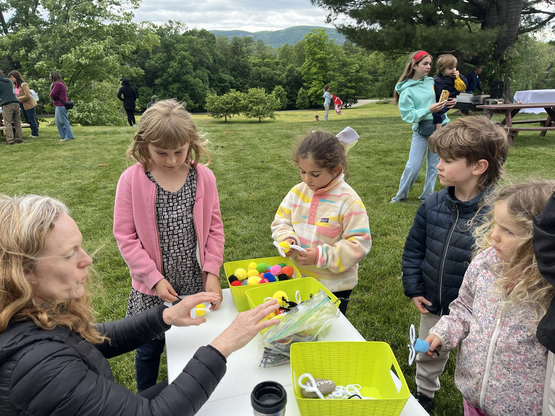
Putnam Pollinator Pathway tables at Nature Day Event
Master Gardener Volunteers Angela Attia, Jill Eisenstein and Catherine Serreau-Thompson represented the Putnam Pollinator Pathway at the Hudson Highlands Land Trust Nature Day in early June.
Under tall, old Eastern Pine trees and with the Tudor Revival Winter Hill mansion as a backdrop, the setting was together stately and welcoming.
Despite the windy cool day, many young families with curious children came to visit their table and had great fun with the Pom-Pom Pollinators craft activity.
It was surprising to see how many children knew about pollinators, a sure sign PPP's and their parent's work is paying off!
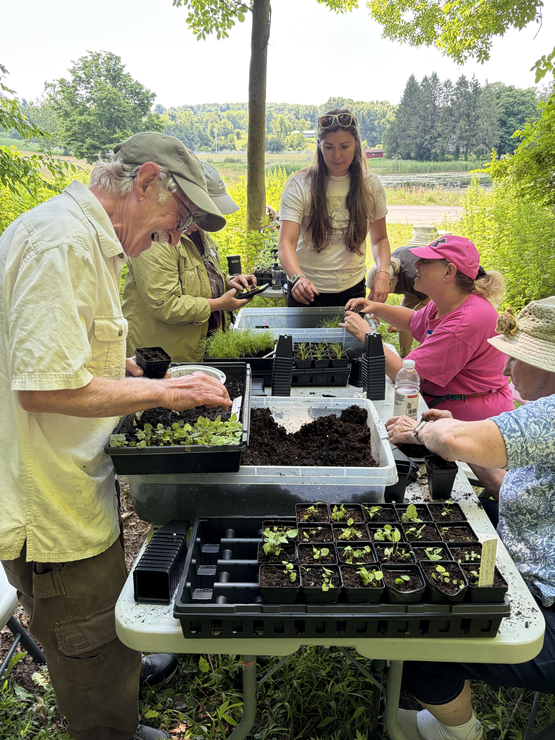
CCE Joins in Seedling Potting Up Project
On June 29, Wild Woods Restoration Project and Hudson Highlands Land Trust were joined by CCE for a Potting Up Day at our Restore and Regenerate Forest at Tilly Foster Farm. Volunteers potted several species of native plants and learned how to care for them.
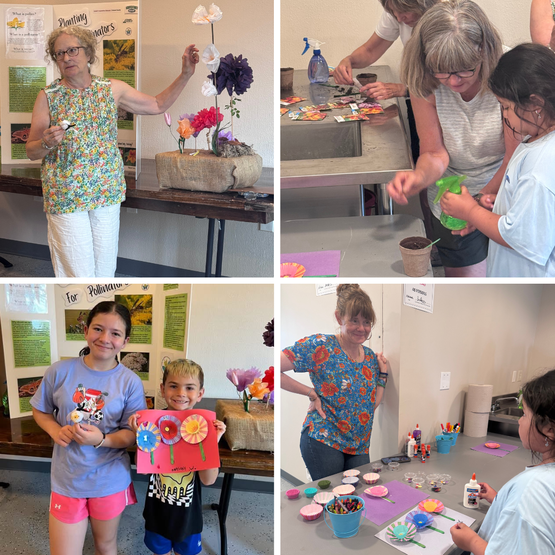
Planting for Pollinators at Fun Family Workshop
CCE 4-H Educator Brandy Keenan, CCE Communications Coordinator Rachael Paradise, Master Gardener Volunteers Jill Eisenstein, Angela Nicklin and Mary Ann West and Jenna Sadecki of Agriventures Agway held a family workshop, "Digging In Together: Planting a Pollinator Garden," June 30 at Tilly Foster Farm. This event focused on gardening with children and included an insightful kid-friendly presentation by Jill about the importance of pollinators and what to plant to attract them. Brandy helped the kids create a pollinator craft and Angela and Mary Ann helped families plant nasturtium, zinnia and cosmos seeds to start their own pollinator garden at home!
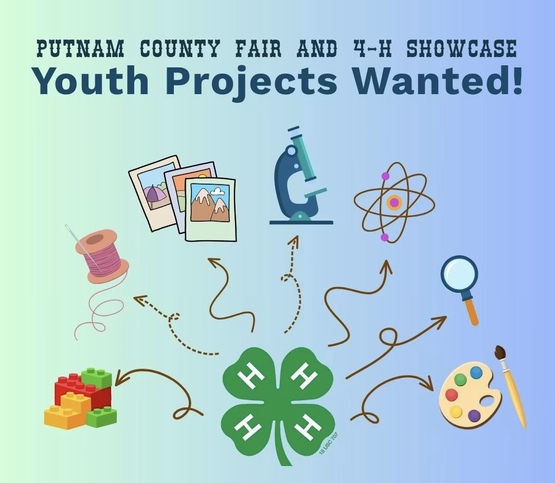
Projects Wanted!
We're looking for youth project exhibits for the Putnam County Fair and 4-H Showcase. Kids and teens interested in exhibiting do not have to be members of a 4-H Club to participate–all youth are welcome to join in the fun!
Projects include:
- Fine Arts and Crafts (Painting, Drawing, Ceramics)
- Media Arts (Photography, Video Production, Graphic Arts)
- Presentations and Writing
- Woodworking
- Sewing and Textiles
- Environmental Projects
- Animal Education Projects
- Homegrown Fruits, Vegetables and Plants
- LEGO Projects
- STEM Projects
Register by July 15
Fair Dates: July 25 & 26
Register HERE!
For more information, contact
Brandy Keenan, 4-H Educator at 845.278.6738 or email bmk98@cornell.edu

Big Beautiful Blooms at Putnam County Fair
& 4-H Showcase
Putnam County growers, gardeners and flower enthusiasts are invited to exhibit cut flowers from their home gardens in the Expo Barn at the Putnam County Fair & 4-H Showcase July 25-26.
Bring your single stem, arrangements or themed display in a vase or vessel of your choosing.
As this is not a formal flower show, we simply ask that you label your flower's plant name and cultivar, if available; for example: Dahlia, “Lilac Time.” This helps make your exhibit a teaching tool for others.
All registered exhibits will be judged Friday evening and showcased for as long as the flowers last.
Deadline to Register: July 15
Check-in: July 24 from 4-7 p.m.
Register HERE!
At a Glance ...
.png?1777316584)
Agritourism Webinar Series
Through Dec. 8
12 to 1 p.m.
Online
Join the Cornell Cooperative Extension Agritourism Program Work Team for a monthly webinar series designed to support both new and established agritourism operators.
This educational series provides practical guidance, timely tools, and real-world strategies to help farms strengthen agritourism operations, manage risk, enhance visitor experiences, and improve long-term business sustainability.
Webinars are held on the second Tuesday of each month from 12-1 p.m.
2026 Webinar Schedule:
- July 14: Extending the Agritourism Season
- August 11: Agritourism on Dairy Farms
- September 8: Hosting Kids Camps
- October 13: Understanding Agricultural Assessments
- November 10: Using Online Platforms
- December 8: Deep Dive into Agritourism Insurance
Webinars made possible through funding from the USDA NIFA Beginning Farmer and Rancher Development Program.
Fee: Free
Register HERE.

Business Development and Marketing Monthly Webinar Series
Through Dec. 15
12 to 1 p.m.
Online
Join Cornell Cooperative Extension for a Business Development and Marketing Zoom series. These monthly webinars will take place on the third Tuesday of each month and focus on a variety of business development and marketing topics. All sessions will be led by content experts across the Cornell Cooperative Extension system, organizations and businesses which support agricultural operations across New York State. The list of topics and dates are listed below:
- July 21: Leveraging AI for Digital Marketing and Content Creation
- August 18: Produce Auctions: Are They Right for Me?
- September 15: Grant Writing 101
- October 20: Business Structures 101 with COUGHLIN & GERHART, LLP
- November 17: How to Evaluate Market Opportunities
- December 15: Overview of Market Channels & Requirements for Participation
Fee: Free
Register HERE.

2026 Cut Flower Webinar Series
Through Dec. 16
12 to 1 p.m.
Online
Cornell Cooperative Extension’s Cut Flower Program Work Team invites cut flower growers to join a free monthly webinar series focused on practical, research-based strategies to support successful production. All webinars will be recorded.
Pre-Registration Required.
- July 15: Using Beneficial Insects in High Tunnel Cut Flower Production
- August 19: Analyzing Soil Test Results and Calculating Fertilizer Needs
- September 16: Mischievous Mildews
- October 21: Forcing Tulips
- November 18: Growing Gorgeous Dahlias the Regenerative Farmer’s Way
- December 16: High Tunnels: Ranunculus and Anemones.
All webinars will be recorded and links shared.
Fee: Free
Register HERE
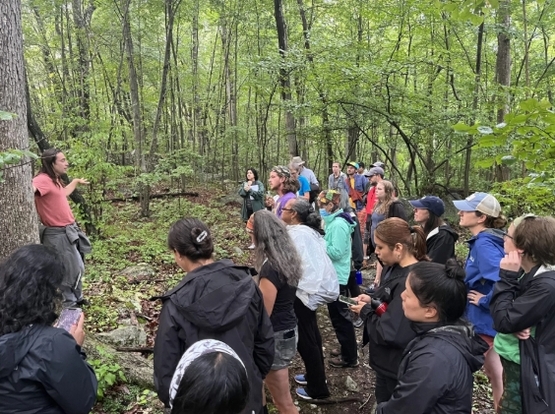
Watershed Forestry Field Trip Program
Applications due Friday, Aug. 7, 5pm
Apply now for in-person field trip funding to the NYC Watershed for the 2026-27 school year. Max funding is $4,990.21. Discover the world-famous NYC Watershed and forest-filtered water supply system first-hand! Check out the four Watershed Forestry Field Trip options that explore the source of NYC’s water and how forests protect water quality. You can plant trees, release trout, and learn at environmental education centers on day or overnight trips. All trips include a guided tour of a drinking water reservoir. Check out the website to download the current application today.

Free Rabies Vaccination Clinic being held in July
Attention Putnam Residents! Bring your dogs, cats, and ferrets to a FREE rabies vaccination clinic Saturday, July 18 from 10 a.m. to 12 p.m., at Hubbard Lodge 2920 Route 9 in Cold Spring, and is open to all Putnam County residents.
Please bring a photo ID as proof of Putnam County residency, as well as proof of prior rabies vaccination. Tags are not acceptable. If you do not have proof of prior rabies vaccination, your pet will receive a one-year rabies vaccine. Pets must be at least 12 weeks old. All dogs must be leashed and controlled. Any dog that may become aggressive must be muzzled. Cats and ferrets must be in carriers, top-loading carriers preferred, no harnesses. All animals must be supervised by an adult. For the comfort and safety of the animals, social distancing and bringing a minimum number of people are suggested.
For more information and directions, please call the Putnam County Department of Health at (845) 808-1390 ext. 43160.
.png?1782928004)
Tips to make sure your next picnic is both healthy and safe
from Stacy Reed, Penn State Extension
One way to get outside and enjoy the nice weather is by gathering family and friends at a local park or in your backyard and spending time together picnicking. Before preparing picnic food, verify that your cooler was cleaned after its last use. If the cooler wasn't cleaned, wash it with soap and water, rinse it thoroughly, and dry it before using (Ansel & Ellis, 2020).
The Food and Drug Administration (FDA, 2022) advises packing plenty of clean dishes and utensils if you don't have the means to wash items at the picnic site. In the event that the site doesn't accommodate hand washing, be sure to pack supplies to do so: a jug of water, hand soap, and paper towels will suffice. As a backup option in the absence of proper supplies, also pack wet towels or one-use wipes for cleaning and hand washing.
Pack small quantities of food to minimize leftovers and wasting food. Unless you have the means to keep hot food at 140°F or above during transport and picnicking, pack cold dishes for your meal. If you pack non-perishable items, then you won't have to worry about keeping them cold at the picnic. If you want to grill food during the picnic, be sure to verify ahead of time that your destination has a grill available for use.
According to the Partnership for Food Safety Education (n.d.), be sure to pack foods correctly to keep them safe before and during the picnic. Here are some tips:
- Transport cold picnic foods with ice or ice packs because common picnic foods can be at risk for bacteria growth that can cause food poisoning.
- Keep food at safe temperatures. Bacteria that cause food poisoning can grow to large numbers in cold foods, if the foods are not kept at 40°F or lower during transport and while at the picnic.
- Travel with cold picnic foods at 40°F or lower and hot foods at 140°F or above, to minimize bacteria growth.
- Place food that will be eaten last at the bottom of the cooler, so it stays cold longer.
- Fill coolers as full as possible, because a half-filled cooler will not stay as cold as a full one.
- Store beverages in their own cooler, separate from the picnic food. Drink coolers are opened many times during an event. Packing food separately from beverages can help keep food coolers closed as much as possible.
- Pack raw meats in a separate cooler away from ready-to-eat food (i.e., fruits, vegetables, salads, dips, etc.).
- Haul coolers inside the car and not in the trunk where they can get extra warm.
- Place coolers in the shade or cover them to keep them out of the warmth of direct sunlight.
Wash your hands before handling any foods, but especially after handling raw meats when grilling. Use separate dishes and utensils for handling raw meats versus fully cooked meats. Dishes and utensils used for raw meat should not be reused unless they have been cleaned. Check the temperature of cooked food with a food thermometer to verify that the food has reached a safe temperature for eating. According to the U.S. Department of Agriculture's (USDA) Food Safety Inspection Service (2017), different foods need to be cooked to different temperatures for safety:
- Cook beef, pork, veal, lamb chops, and roasts to 145°F for 3 minutes.
- Heat ground meat, such as hamburgers and hot dogs, to 160°F.
- Prepare poultry and ground poultry to 165°F.
- Cook fish to 145°F.
Remember to keep cooked food at 140°F or above. If possible, use hot holding equipment such as a slow cooker or chafing dish to keep hot food hot; otherwise, do not let these foods sit out longer than two hours (or one hour if the outdoor temperature is 90°F or above).
It is suggested that you use running water at home to wash fruits and vegetables before packing them (FDA, 2022). Rub the outer surfaces of fruits with water, scrub firm vegetables with a vegetable brush, and then dry produce with a single-use paper towel before packing or further preparation.
When planning dishes for a picnic, think of nutrient-dense foods. The Dietary Guidelines for Americans, 2020-2025 by the U.S. Department of Agriculture and U.S. Department of Health and Human Services (2020) state that nutrient-dense foods "provide vitamins, minerals, and other health-promoting components, and have no or little added sugars, saturated fat, and sodium." Examples of nutrient-dense foods include: vegetables; fruits; whole grains; seafood; eggs; beans, peas, and lentils; unsalted nuts and seeds; fat-free and low-fat dairy products; and lean meats and poultry. Picnic foods that are healthy and easy to transport include whole or sliced fruits; sliced vegetables; different types of vegetable salads; pasta salads made with whole wheat pasta and a low-fat dressing; dishes containing beans, peas, and lentils; unsalted nuts and seeds; fat-free and low-fat cheese and yogurt; and individually wrapped sandwiches made with lean meats and poultry. Pack water or fruit and vegetable-infused water to drink as low-calorie beverage choices.
Before heading home from your picnic, throw away fresh items that will spoil. When you arrive home, wash all portable food containers and utensils and throw out all one-use food wrappings. Wash your coolers and allow them to air dry before storing them for the next healthy and safe picnic.