Happenings September 2026

September 2026
Silvopasture Could Work on Your Farm
adapted by Rachael Paradise, Communications Coordinator, from David Hartman, Former Livestock Educator, Penn State Extension
Silvopasture is the integration of trees, livestock and forage crops together on the same land to create dual income from timber and livestock.
In recent years, there has been more interest in these types of systems. Grazing livestock in wooded areas was once very common in the Northeast.
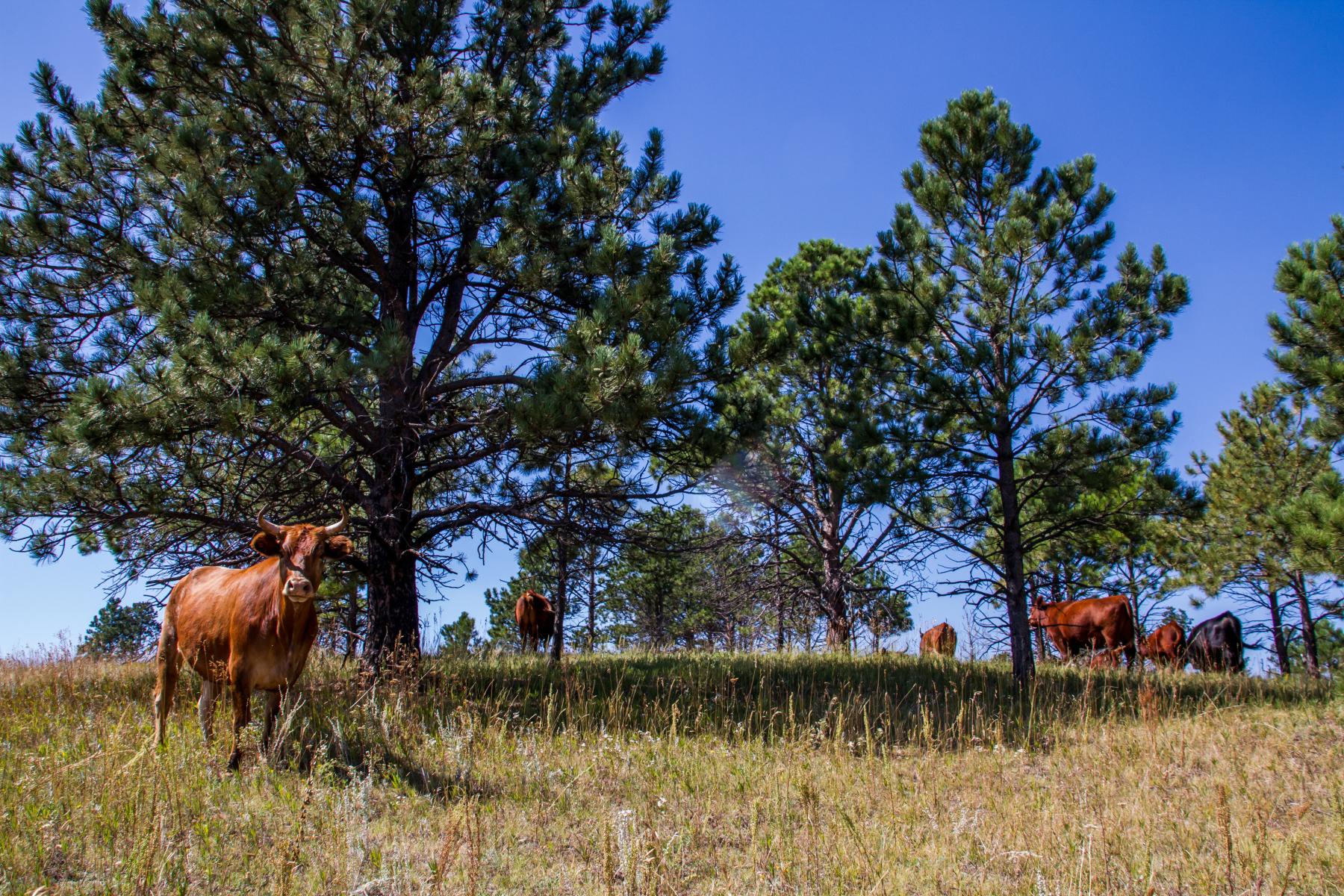
The term silvopasture may be something that you haven't heard before. There are numerous grazing management terms and definitions, and this one is distinct from the others. If you graze livestock and have wooded or semi-wooded land on your property, silvopasture may be something that could benefit your operation.
Silvopasture is the integration of trees, livestock and forage crops together on the same land to create dual income from timber and livestock. Agroforestry is the broader term used to describe any system that combines crops or livestock with trees and shrubs. In recent years, there has been more interest in these types of systems. Increasing land costs and the need to generate more income from an acre of land is one of the reasons for this interest. Other factors include an increased interest in ecologically integrated systems within agriculture.
Grazing livestock in wooded areas was once very common in the northeastern United States. The lack of management of livestock grazing in woods eventually led foresters, conservationists and other farm advisors to recommend keeping animals out of wooded areas. This damage can include soil compaction, poor regeneration and damage to valuable trees.
In the present day, we have much better fencing equipment and materials to work with than our predecessors did. Furthermore, we have more knowledge about managing forages, trees and livestock. Combining these factors, we can create and manage a silvopasture system that is sustainable, productive and profitable.
Plenty of research results document the benefit of shade for cattle production. Weight gain, milk production, and conception rates can all be improved by offering shade for cattle. Silvopasture systems can provide shade without creating heavy-use areas that concentrate manure deposition and create more fly issues.
If you are interested in silvopasturing, you need to start with the right location. Land with adequate water available and gentle terrain works the best. It is best to avoid sensitive areas like vernal pools and wetlands.
Experts recommend that interested individuals first need to have better than average knowledge of both silvoculture and grazing. Brett Chedzoy, forestry specialist with Cornell Extension, is an expert in silvopasture systems. He offers the following advice:
Look for online resources. There are several temperate agroforestry sites with valuable articles and information on silvopasturing, although much of the information will need to be applied to your own specific situation. The "Guide to Silvopasturing in the Northeast" and other silvopasture resources are currently available under the "publications" section of www.forestconnect.info.
Develop woodlot management and animal husbandry skills, and then gradually look for ways to symbiotically combine the two systems in a context appropriate for your own property.
Work with a forester who is willing to help you learn and experiment. Expect some resistance at first when you mention the word "silvopasturing", but foresters are trained to achieve landowner goals. They may lack the knowledge on the livestock side of the equation, but their expertise in vegetation and forest management will be invaluable.
Join us for "Establishing Silvopasture: Roots of Resilience," Wednesday, Sept. 30, for a guided field walk at Little Cabin's Farm and explore core silvopasture principles on the farm. CCE Ulster Livestock Educator Kathryn Brignac will share insights on grazing and animal management. Donald Arrant of Watershed Agricultural Council will discuss the farm’s Whole Farm Plan and Eli Roberts of Sunfleck Consulting will discuss how silvopasture can reshape conventional ideas of a productive landscape. Visit our events page to register!
Bug of the Month: Common Green Darner Dragonfly
by Janis Butler, Master Gardener Volunteer
Green Darner Dragonflies are so beautiful! Who wouldn’t be intrigued to have one land on an arm or leg for a closer look? They’re harmless to humans, but if you’re a mosquito, watch out!
The Common Green Darner (Anax junius) is one of the largest dragonflies, about three inches long with a wingspan of up to four inches. Their bright green thoraxes make them easy to spot, but it’s their thin abdomens that give them the common name ‘darner’, since they resemble darning needles. Males’ abdomens are intensely blue; females, reddish-brown.
Both nymphs and adults are voracious predators of mosquitoes and gnats, flies and midges, moths and butterflies, bees and wasps, as well as other dragonflies. Most prey is caught and eaten “on the fly”, though sometimes they snatch beetles and other terrestrial insects off plants or the ground. There’s even an authenticated 2015 photo of a Green Darner devouring a Ruby-throated Hummingbird (they’re similar in size), taken by birder and photographer Joseph Kennedy in Port Arthur, Texas. Other hummingbird encounters have been reported but are rare.
These mighty hunters’ primary tools for catching prey are exceptional vision, the ability to predict their target's flight path, lightning speed and maneuverability, and a basket-like trap formed by their spindly legs.
Their eyesight comes from two huge compound eyes set into the sides of their head, each made up of over 30,000 simple eyes, providing nearly 360-degree vision. Though they cannot see well above or below, they can easily detect movement, allowing them to spot prey (and predators) and find mates. They can also see a wide range of colors, including UV light, which helps them navigate their environment by revealing patterns on flowers and insects that are invisible to humans.
Like all dragonflies, Green Darners are strong fliers, with four outstretched wings that attach at the thorax and are held perpendicular to the body, even when at rest. This wing position makes them easy to distinguish from damselflies, which hold their wings together alongside their slender bodies when not flying. All four wings on both dragonflies and damselflies move independently, allowing them to fly forward, backward, and change direction rapidly, traits of great benefit to hunters of airborne prey.
Their long legs are specialized for grabbing prey and perching on twigs; they can’t walk. All six legs angle forward, under the chest, to form a basket-like food trap. Tiny hooks on the leg joints ensure that slippery dinner does not escape.
Equally well-equipped as the adults, and arguably even deadlier, are the carnivorous nymphs, considered major predators in their micro-habitats. They eat other aquatic insects, mosquito and salamander larvae, small tadpoles, and even small fish, as well as other dragonfly nymphs. By the time of their last molt, they’re two inches long! They hunt day and night, constantly moving through their aquatic world. Solitary, they actively avoid other dragonfly nymphs, likely due to the threats of cannibalism and competition.
The nymphs’ most effective food-catching tool is a specialized hinged labium, or lower lip, equipped with sharp hooks to pierce or grab prey. It functions like a spring-loaded weapon, shooting forward in 1/100th of a second to snatch its target, then pulling the food back to the mandibles for chewing. The labium is modified in adult darners to work with the mandibles in chewing but doesn’t assist in catching prey.
Green Darner nymphs have little to fear from smaller aquatic life, but they are not the top of the food chain, serving as snacks for other insects, fish, spiders, birds (especially wading birds), frogs, and toads. Fortunately, they have several defenses, beginning with camouflage (their bodies are mottled brown and green to match underwater plants and muddy pond floors) and the ability to freeze in place to remain unnoticed by predators and prey alike. They have sharp deterrent spines on their abdomens and can twist and turn to escape if caught. They can also shoot water from their anus to quickly propel themselves away from danger.
Adult Green Darners also play an important role in our ecosystems as food for other (bigger) dragonflies, robber flies, bats, toads and frogs; and spiders, which catch them when they fly into webs or rest near spider-inhabited foliage. Birds such as falcons and kites, swallows, martins, and swifts are particularly adept at catching Green Darners and eating them mid-air. Kestrels are eager to snack on migrating darners because their migration routes and timing overlap.
Migration
Most of us know about bird and monarch butterfly migrations but would be surprised to learn that some dragonflies migrate, too. The Common Green Darner is one such species, often seen flying in swarms over dry areas as well as waterways. They’ve been documented as traveling 87 miles in one day under ideal conditions and covering over 800 miles in a couple of months. Researchers gathered this information by attaching micro-radio transmitters to Green Darners in the Great Lakes region. It’s likely, though not well-studied, that the darners use polarized light to determine direction when migrating.
From mid-August through October, millions of them head south from Canada and the northern U.S. Their progress is stop-and-go as they pause to rest and forage for small insects. Once they arrive at their destinations, they mate and lay eggs, producing a generation that spends the winter months in the southern U.S. and Mexico before producing offspring that head back north.
But not all Green Darners migrate. Some populations maintain completely resident life cycles, overwintering as aquatic nymphs (naiads) when northern temperatures plummet or, in the south, simply completing their life cycle in situ. Why some stay in place and others migrate may be a genetic trait, but no one yet knows for sure.
Mating and Reproduction
All dragonflies need water to reproduce. In summer in the North and while wintering in the South, they buzz around warm, still water—lakes, ponds, wetlands, marshes, and backwater areas of slow streams—looking for mates. (Non-breeding dragonflies forage anywhere they can find prey, including our gardens.)
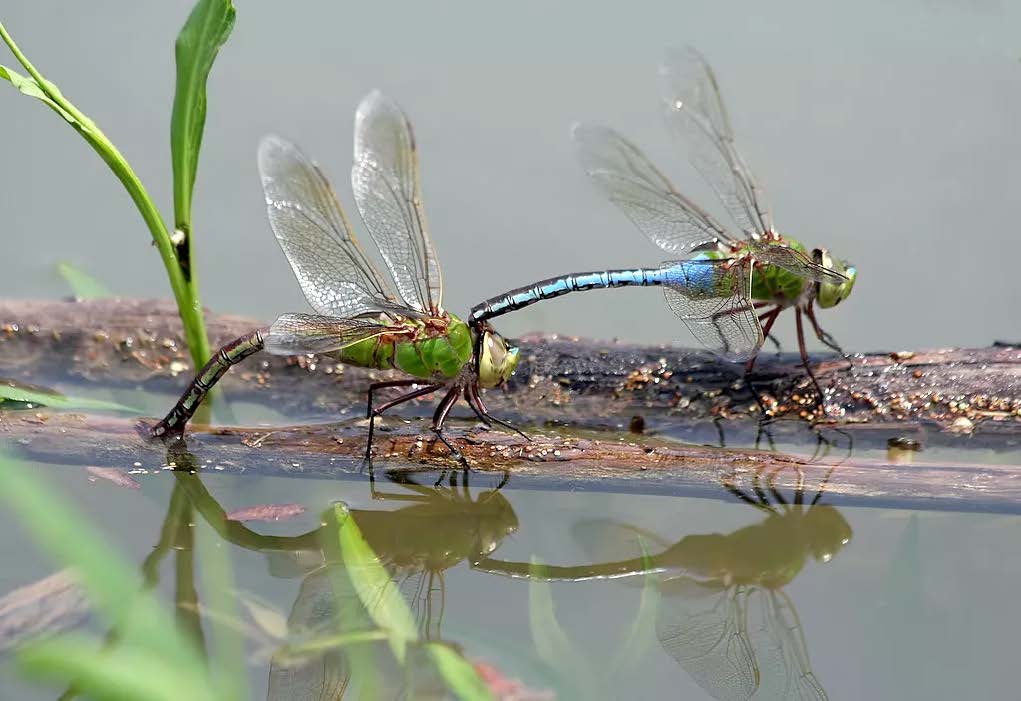
Green Darner’s egg-producing routine is unique. To begin mating, a male grips the back of the female’s head and the female curls her body upward to touch the base of his abdomen. Mating occurs in this heart-shaped “mating wheel” position, and after the exchange of sperm, they may fly around, attached, for several minutes before selecting a spot—floating stems and leaves, including live and dead vegetation—to lay their eggs. The female disconnects her abdomen, but the male retains his hold on the back of her head, in theory so he can prevent other males from mating with her. She then lays hundreds of eggs with her sharp ovipositor—a tubular organ modified for egg-laying. This is the only species of darner to oviposit while still coupled.
Eggs hatch after about a week into tiny aquatic larvae that may molt up to a dozen times into increasingly larger bodies (instars) over a period of three to ten months, developing larger and larger wing pads with each molt. Finally, the last larval instar emerges from the water, attaches to a dry spot on a stem or rock, and begins metamorphosis. Its larval skin (exoskeleton) splits open and a winged adult dragonfly emerges. As it pumps fluid into its new body and wings to expand and stiffen them, it is highly vulnerable to predation before it is fully firm and functional. And ready to hunt.
Photo credit: Ken Slade via Flicker (CC 2.0.) Ovipositing female Common Green Darner (left) in tandem position with male (right)
Is Fall for Planting? Absolutely!
from Lois Miklas, Former Area Master Gardener Coordinator, Penn State Extension
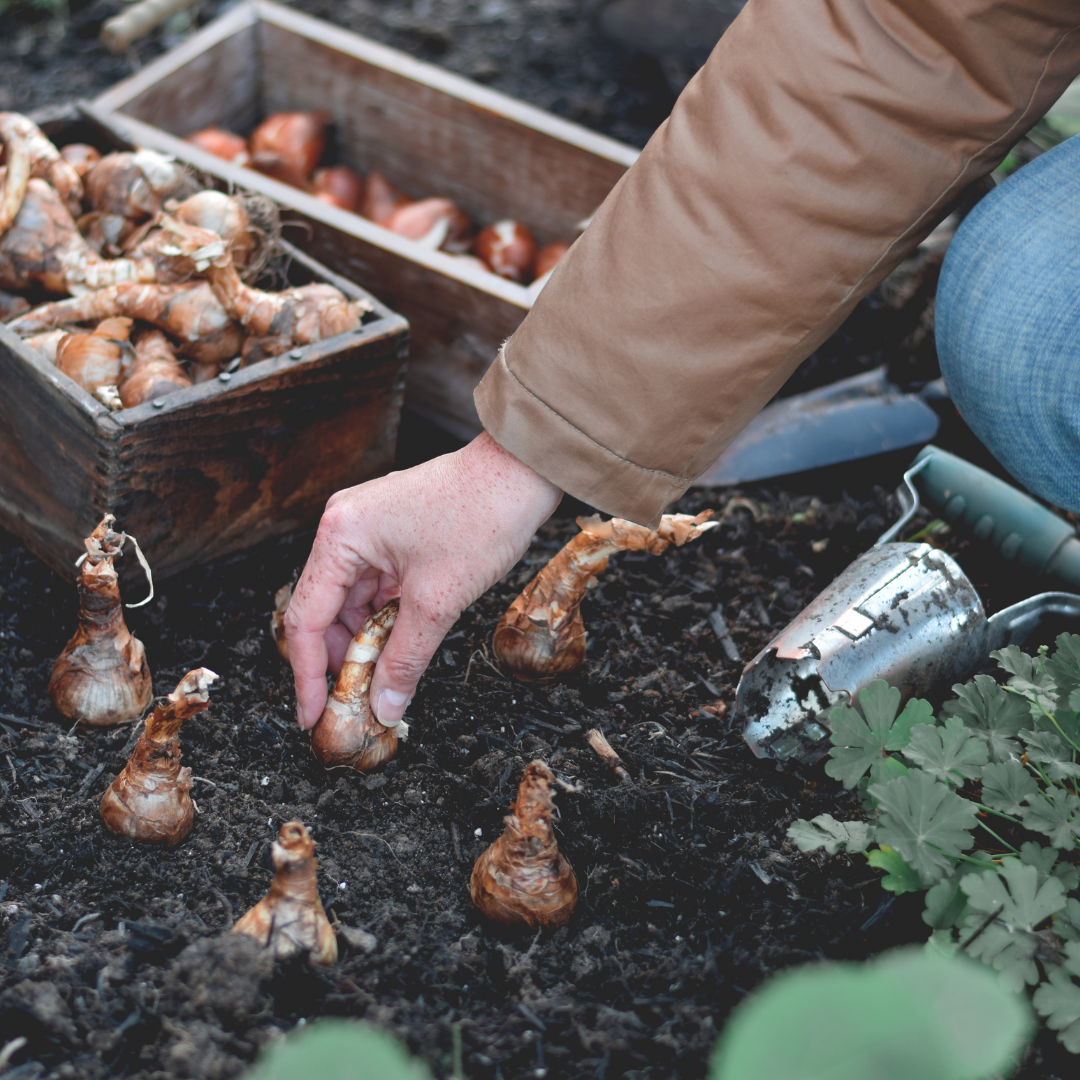
In climates with four distinct seasons, common sense would suggest that most planting should be done in spring, at the beginning of the warm season. However, fall has some advantages as a time to plant, and some plants are biologically designed to be planted before cold winter winds blow in the Northeast. Below is a look at plants to consider planting in autumn, including benefits and cautions.
Trees, Shrubs, and Hardy Perennials
Container-grown plants in this category can be planted from early to mid-fall. You should plant early enough in the fall for the root system to establish itself in the new soil (plan on at least six weeks before the first frost). Before winter sets in, you should check weekly and water if dry. A thick layer of mulch will keep them from heaving out of the ground during periods of freezing and thawing.
A huge advantage to planting woody plants and perennials in the fall is that they are often on sale at nurseries. You should make sure they are not pot-bound from growing in a container all summer, however. Pot-bound plants may appear dry, because the water has no area to soak in and may have roots growing out of the bottom of the container. For any container-grown plant, loosen the roots before planting. In the case of trees and shrubs, you should cut an X in the bottom of the root ball and several shallow slits on the sides of the roots to allow them to spread out into the backfilled soil.
Lawns
Most of the turf grass grown in lawns is "cool season," including Kentucky bluegrass (Poa pratensis), perennial ryegrass (Lolium perenne) and fine fescues (Festuca spp.) Because these grasses grow best in cool weather, late summer to early fall is an ideal time to plant a new lawn, patch bare areas or overseed an existing lawn. Grass seed must receive regular irrigation, especially until it begins to germinate. This is more likely to happen naturally in the fall rather than in the spring, when the new grass must withstand hot summer days.
When purchasing, you may find grass seed embedded in what looks like dryer lint. The premise is that this will hold water when the seed is planted and watered. Though this may seem like a good idea, the best practice for getting grass seed to sprout is by making sure it has good contact with the soil. This can be done by loosening the top of the soil before planting or raking the seed in. Newly planted seed may be mulched with a light layer of straw.
Cover Crops
You don't have to be a farmer to grow a cover crop. If you have a garden area where you grow warm-season vegetables or annuals that you normally leave fallow in winter, you can improve the soil during the winter season by growing a grain or legume.
Benefits of Cover Crops
- Retain nutrients in the soil and, in the case of legumes, fix nitrogen in the soil
- Help keep soil from eroding
- Alleviate compaction
- Add organic material to the soil when turned under in the spring
Cover Crops that can be Planted in Fall and their Primary Advantages
- Alfalfa, crimson clover, hairy vetch: Legumes; fix nitrogen in the soil; alfalfa's deep roots break up the soil
- Barley, oats, winter rye, winter wheat: Add organic material; improve soil structure
Cover crops can be planted between the last of your warm-season vegetables to give them a head start before the weather cools. If you have waited until the end of September (or even early October) to plant a cover crop, winter rye is probably the best choice.
Bulbs
Bulbs such as hyacinths (Hyacinthus orientalis), daffodils (Narcissus spp.), and tulips (Tulipa spp.) are programmed to grow foliage and bloom after an extended cold period. They should be planted when the weather is cool in the fall and before the first hard frost. Most people are familiar with this time table for planting the best-known spring-blooming bulbs. You might also want to consider planting some of the lesser-known, but subtly beautiful spring-blooming bulbs. Fritillaria have nodding, bell-shaped flowers available in various colors (my favorite is the checkered variety F. meleagris). Galanthus are commonly known as snowdrops, which perfectly describes these small, white flowers. Scilla, sometimes called wood squill, sports clusters of small star-like flowers and can be found in shades of purple, white, and pink.
Fall planting is definitely for the patient gardener. The reward in spring will be well worth it!
4-H News: Bottle Cap Projects Encourages Creative Recycling!
by Aurelia Moser, CCE P.I.L.O.T. Intern

This year at the 4-H Putnam County Fair, we encouraged fairgoers to participate in a creative recycling project. By using cleaned, used bottle caps, people were invited to glue them on a big board that was planned as a “paint by color” to recycle more efficiently, and more creatively! This specific board had a design of three daisies placed on a green field, with a blue and orange sunset background. It was a success and there were so many bottle caps placed that it was almost completely covered!
Many recycling facilities aren’t equipped to handle the recycling of bottle caps because they are made of harder plastic (HDPE high-density polyethylene) rather than the more common softer plastics (PET polyethylene terephthalate). The softer plastic is used to make milk containers, soft drink bottles, and other lightweight containers. These softer plastic containers are easily processed because of their less durable features, and recycling facilities are equipped to break them down and reuse them. Because of the lack of recycling centers that can process bottle caps, loose bottle caps end up in the ocean and landfills.
Separating the cap from the bottle seems like a helpful thing to do, however it depends on your local facility as well as local laws. The curbside programs in the Village of Cold Spring ask their residents to throw caps in the garbage instead of recycling. Additionally, the local recycling drop-off centers in the towns of Kent and Patterson also ask their residents not to include the plastic bottle caps in the recycling and to dispose of them in the trash. Always ask and make sure your facility accepts them first and foremost. Then make sure they prefer caps attached or detached from the bottles (many prefer them to be attached!) Finally, make sure they are clean enough to go through the process by simply washing or wiping the caps and bottles down.
If your facility doesn’t accept bottle caps, here are a few things you can do:
- Reach out to local facilities and ask for alternative options; many include specialty programs that they can connect you with.
- Return to stores that can accept bottle caps; many have bottle recycling machines that can give you cash back for your recycling!
- Crafts: If you have children or know parents that would like to recycle the caps for a fun project, get creative! Go online and search for fun projects like the one done at the fair!
- Last Resort: You can bag the caps together and throw them in the trash; it will reduce the chance that they end up in the ocean.
Better Breakfast Month: Why Breakfast Matters
from Mary Hightower, University of Arkansas System Division of Agriculture

Good timing and the right foods can turn breakfast into a something of a superpower — a meal that can improve cognition, memory and metabolic health.
Breakfast — that first meal after sleeping — is important because of what happens to our bodies while we sleep, said Lida Araghi, assistant professor and extension specialist in nutrition and food safety for the University of Arkansas System Division of Agriculture.
“Metabolism never fully sleeps. Essential functions continue overnight, but after 8-12 hours of fasting, blood sugar and insulin are lower and liver glycogen is partly depleted,” she said. “Breakfast restores blood glucose, stimulates insulin response, and provides the brain and muscles with fuel.
"This is why many people feel more alert and energized after eating in the morning,” Araghi said. “Sleep quality affects morning metabolism: poor sleep impairs insulin sensitivity, raises cortisol, and disrupts hunger hormones” including reducing leptin, which tells the body it’s full and increase ghrelin, which tells the body to eat more.
Cognition
Research has shown that breakfast means improved attention, memory, and executive function, especially in undernourished children,” Araghi said. “School breakfast programs boost test scores, attendance, concentration, and mood.”
In adults, breakfast can help produce modest, but consistent memory gains, she said.
“Across 45 studies, breakfast improved attention, executive function, and memory in the mid-to-late morning. Low-glycemic index meals — ones that cause only slow rises in blood sugar rather than spikes — had the most consistent benefits.”
Breakfast as balancing act
“Balance is key. Combining protein, complex carbs and healthy fats works best,” she said.
Key players on the breakfast table and their advantages:
- Complex carbs such as whole grains, fiber-rich fruits produce steady glucose and enable sustained focus.
- Protein brings amino acids that support neurotransmitters such as dopamine and serotonin that aid memory and attention.
- Healthy fats such as nuts and seeds provide long-lasting satiety and brain health.
“A small study found walnut-rich breakfasts improved memory and reaction time, likely due to omega-3s and polyphenols,” Araghi said.
Omega-3 fatty acids aid cell function and are found in high concentration in the eyes and brain. Polyphenols can have antioxidant properties and also help with blood flow and pressure.
Avocado Breakfast Bruschetta
submitted by Josephine Quiocho, SNAP-Ed NY Educator
Start your day with a breakfast twist on classic bruschetta: avocados, tomato, hard-boiled egg, and ricotta with basil atop toasted rustic whole-grain bread.

Ingredients
- 1 ripe avocado
- 2 medium tomatoes
- 1 green onion
- 1/2 cup chopped fresh basil (plus 2 tbsp for garnish)
- 4 eggs (hard-boiled)
- 12 slices whole-wheat baguette bread
- 1/4 cup ricotta cheese (reduced-fat)
cracked black pepper to taste
Directions
- Dice avocado, tomatoes, and green onions.
- Peel and chop hard-boiled eggs.
- Reserving 2 tbsp. basil for garnish, gently toss first five ingredients in a small bowl. Add pepper to taste.
- Toast baguette slices and smear with ricotta cheese.
- Top with avocado mix and garnish with chopped basil.
Find the recipe at SNAP-Ed NY: https://snapedny.org/recipes/avocado-breakfast-bruschetta/


Last updated September 1, 2026

Hera Hernandez and Aurelia Moser, CCE Putnam P.I.L.O.T. Interns
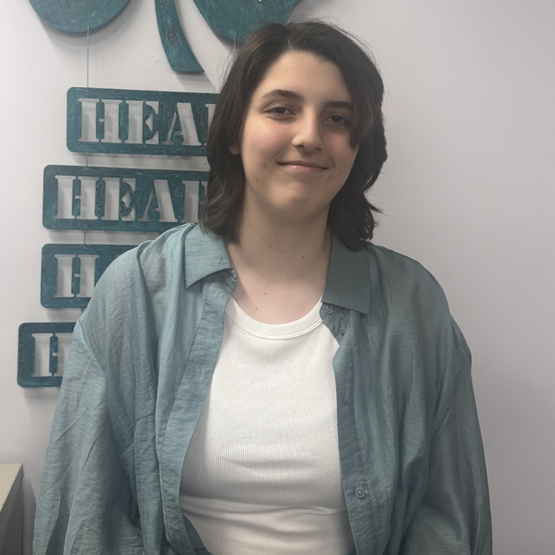
Hera Hernandez was one of two interns who joined us this summer as part of Putnam County’s P.I.L.O.T. (Putnam Invests in Leaders of Tomorrow) Internship Program.
She and Aurelia Moser were instrumental in assisting in the planning and implementation of our 4-H Showcase at the fair.
A rising junior at Brewster High School, Hera has been very involved in the community for many years through Girl Scouts, the 4-H Teen Action Group (TAG), Brewster Rotary Interact and her school’s GSA club, as well as volunteering at the Putnam County Fair & 4-H Showcase for several years.
She is working towards a degree in cyber security thanks to her school’s P-Tech program, which allows high schoolers to get credit in certain high-demand fields early on.
This year, she helped with the tie-dye table where participants were able to create unique bandanas and bags which they could dye themselves. Through this experience, she was able to continue supporting youth programs and community events and explore what goes into planning an event like the County Fair.
Hera hopes to take the planning and leadership skills she has gained this summer and apply it to a future career in art and media production.
Being a part of CCE and 4-H has truly been a great experience for her, and she hopes to stay involved in it outside of the Putnam County Community.
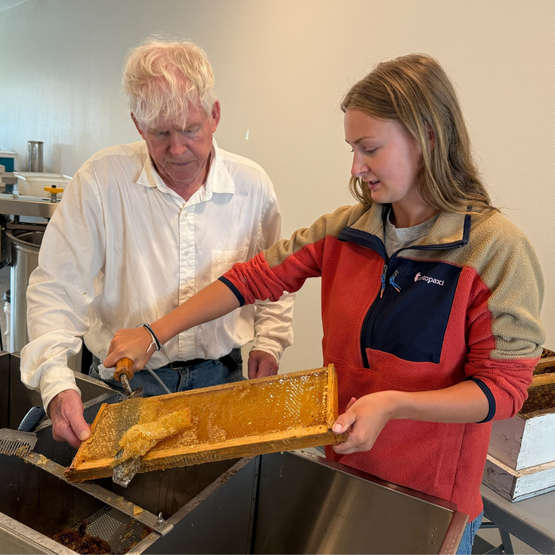
Aurelia Moser, a rising senior at Mahopac High School, was the other intern that joined us this summer as part of the Putnam County P.I.L.O.T Internship Program.
At school, she has developed leadership skills through her involvement as a member of Mahopac’s Cross Country team and Model UN, as well as being class president.
Aurelia has strategized and planned various events throughout the school year and wanted to further develop those skills through the internship program.
From creating posters and writing content for activities at the Fair to contacting volunteers for the Fair, she has honed a variety of skills.
Aurelia is working toward a Political Science or International Relations degree, and she said the skills she has worked on during her internship, like collaboration, logistics and planning, will take her a step closer to succeeding in her goals.
About the P.I.L.O.T. Program: Every summer, Putnam County invites high school juniors and seniors, undergraduate and graduate students to apply for paid and unpaid summer internship opportunities within Putnam County government. Interns selected are matched, to the extent possible, with work opportunities in Putnam County government that align with the student’s interests and/or field of study. The program aims to provide high school, college and graduate students with an opportunity for an enriching summer work experience; provide students with access to county government professionals and an opportunity to gain insight and experience from working in local government service activities; and plant seeds for possible future employment and potential future leaders for our County government. Internships typically run from June through August, with flexible starting and ending dates. For more information, visit the county website.
September is ...

Bear Necessities Month
Bear Necessities Month is celebrated every September to raise awareness for bear conservation, protect natural habitats and highlight the threats facing the world's eight bear species. Celebrate by supporting protection groups like the World Wildlife Fund (WWF) or local conservation trusts. Learn safe practices for living and recreating in bear country. New York is home to an estimated 6,000 to 8,000 American black bears, with populations thriving across several major regions of the state
Source: NYS Department of Environmental Conservation

National Preparedness Month
National Preparedness Month is observed to encourage individuals, families and communities to prepare for disasters and emergencies. The 2026 theme is "Americans Stand Ready." Some simple tips:
- Stay Informed: Know the local risks where you live and sign up for official alerts through resources like Ready.gov.
- Make a Plan: Create a family emergency plan that includes meeting places, out-of-town contacts, and specific medical needs.
- Build a Kit: Gather essential supplies—including non-perishable food, water, medications, and a flashlight—to sustain your household for multiple days
Source: Ready.gov

National Chicken Month
Established by the National Chicken Council, National Chicken Month promotes eating chicken. Americans eat nearly 99 pounds of chicken per person every year, making it the most popular meat choice in the U.S. Celebrate by trying a new recipe and look for deals at supermarkets and restaurants.
Source: Ag Informer

National Mushroom Month
National Mushroom Month is traditionally celebrated throughout the month to highlight the culinary versatility, nutritional value, and history of edible fungi. Fresh mushrooms are a healthy addition to your plate. Mushrooms provide many of the same nutritional benefits as vegetables, as well as attributes commonly found in meat, beans and grains.
Source: Mushroom Council
10 Tips to Improve Sleep

from Jonathan Swinton, Utah State University Extension
Studies show insomnia rates are increasing as people struggle to sleep more than at any time in history. This is an alarming trend because so many other health issues are related to sleep. Studies show that adults need an average of eight hours of sleep per night and teens need 9 to 10 hours of sleep per night.
Here are ten tips you can implement to combat your struggles with sleep:
1. Don’t play on your phone before bed. Charge it across the room or in another room entirely so you are not tempted to look at it while you are trying to fall asleep or if you wake up in the night. Get a blue light filtering application and have it set to turn on several hours before your typical bedtime. The blue light emitted from phones can prevent your brain from secreting the melatonin you need to fall asleep.
2. Make sure the temperature is cool and comfortable. Temperatures that are uncomfortable, particularly excessive warmth can inhibit sleep.
3. Avoid clockwatching. If you keep looking at the clock to see what time it is you may increase stress or anxiety, preventing you from falling asleep. Keep your clock so you can’t see it while you are in bed.
4. Don’t go to bed hungry. Having a light snack can help your system not worry about sending you messages of hunger. Don’t have a full meal before bed as excessive eating can impact sleep as well.
5. Keep a notepad next to your bed. If you find yourself thinking about things that need to be remembered or tasks that need to be completed write them down. Writing down anything on your mind before bed will help you leave it until the next day.
6. Don’t take naps. I know, disappointing. I love naps as much as the next person. However, few things will disrupt your evening sleep more than taking a nap.
7. Avoid exercise in the second half of the day. Exercise is so helpful for you. However, its activating effects are better left for the first half of the day.
8. Try to reduce the excessive commitments in your life. Setting boundaries with your commitments can have a measurable difference on your stress and sleep.
9. Wake up at the same time every day. Forcing yourself to wake up at the same time may make you tired following the tough nights. However, studies have shown that this will increase the chances you will fall asleep the following night.
10. Read a book. If there is one activity that you can do just before bed that will help, it is reading. It fully engages the brain which can stop its focus on things that might keep you awake. Six minutes of reading can reduce stress in the moment by 68 percent and clear your mind for sleep.
Be disciplined in applying these tips and take back your sleep.
County Flu Clinics
The Putnam County Department of Health is offering seasonal flu vaccines to residents of Putnam County 18 years of age and older.
- Monday, Sept. 28, from 2 to 6 p.m. at Carmel Fire Department, 94 Gleneida Ave., Carmel
- Wednesday, Oct. 7, from 2 to 6 p.m. at Garrison Fire Department, 1616 Route 9, Garrison
- Monday Oct. 19, from 2 to 6 p.m. at Carmel Fire Department, 94 Gleneida Ave., Carmel
The cost is $30 (free for residents 65 and older or with Medicare Card). Please bring proof of residency. Walk-ins are welcome. Visit the website or call 845-808-1332 for more information.

CLICK HERE and become a part of our efforts
to build our new home at Tilly Foster Farm!
Tidbits
Bugging Out for Science at Insecta-Palooza at Our R&R Forest
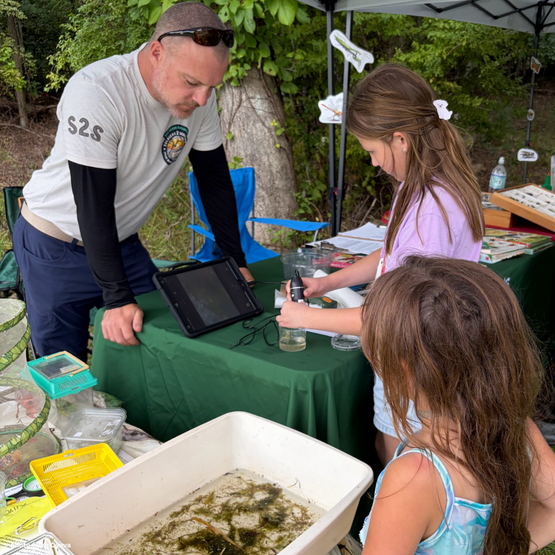
Children of all ages joined up at the Restore and Regenerate Forest this August for an Insecta-Palooza. With insect nets and buckets, we explored the world of insects that live in our streams, forests, and fields. Late summer provides a rich opportunity to see insects in many life stages from stream-dwelling stone fly nymphs to dragonflies darting overhead. We explored with the guidance of Mike Cohn from Soldiers2Scientists, Tom Hall, 4-H Trailblazers leader, and Jen Lerner of CCE. Together, we found insects from 12 orders and provided mounted samples collected over 20 years through our diagnostic lab to compare with. Soldiers2Scientists also provided underwater endoscopic cameras and digital scopes for attendees to use. These observations all go into our iNaturalist project so that we can build our natural catalog for the site. Any time you are in the forest or its surrounds and use the iNaturalist and eBird apps, your observations will get added to our project.
Harvesting the Rich Bounty of Our Bees at Tilly Foster Farm
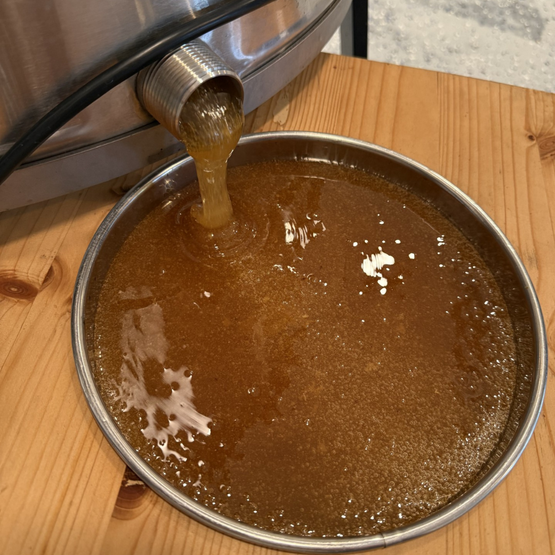
Our hives at Tilly Foster Farm are thriving and on a recent excursion, our CCE Putnam Beekeepers Rodney Dow and Brandy Keenan, with the help of intern Aurelia Moser, went to work extracting the honey from the hives and jarring it. If you're interested in purchasing a delicious jar of very local honey, contact our office!
Pickling Cucumbers and Beans is a Big Dill at Preservation Workshop
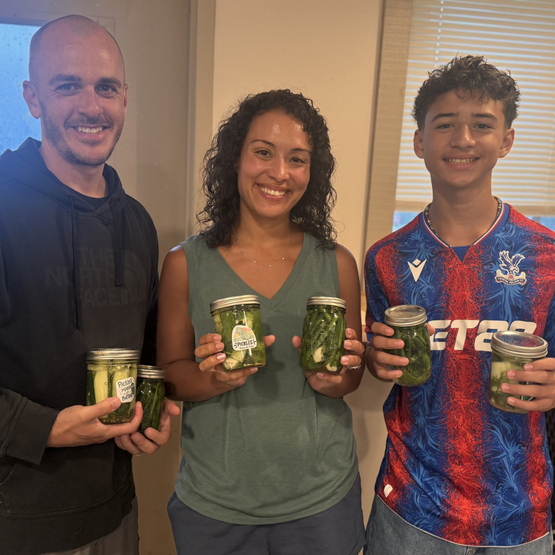
More than a dozen participants joined CCE Master Food Preserver Stephen Nocera to learn how to make pickles and dilly beans. From washing the jars to cutting the cucumbers, participants rolled up their sleeves and performed all the steps in pickle-making as a team. Fabric lid covers and stickers were available to personalize the jars. Our program partner, Agriventures Agway, provided us with snacks and other necessities to make the program a success! The workshop was the first in a series of food preservation classes we will be hosting. Keep an eye out for our next class (in October) where we'll be making syrups and shrubs (concentrated, vinegar-based fruit syrups).
Help Shape the Future of CCE Putnam County
Cornell Cooperative Extension Putnam County is looking for engaged community members who want to make a difference by serving on our Board of Directors or one of our Program Advisory Committees.
For more than 80 years, CCE Putnam has connected residents with the research, resources, and expertise of Cornell University and the nation’s Land-Grant University system. Our programs support youth and families, agriculture, natural resources, horticulture, food security, nutrition, and community education throughout Putnam County. Volunteers play an essential role in helping us ensure that our work continues to reflect the needs of the people we serve.
Join Our Board of Directors
Our Board of Directors provides leadership and oversight to help guide the overall direction of the organization. We are seeking individuals who bring diverse professional experience, community connections, fresh ideas and a genuine interest in strengthening Putnam County.
Board members help with strategic planning, fiscal oversight, organizational development, community engagement and advancing CCE Putnam’s mission. You do not need to be an expert in agriculture or education—we are looking for people who care about their community and are willing to contribute their knowledge, experience and perspective.
Join a Program Advisory Committee
If you would like to be involved but are looking for a more program-focused opportunity, consider joining one of our Program Advisory Committees.
Program Advisory members provide valuable community input to our educators and staff. They help us identify emerging needs, evaluate existing programs, explore new opportunities, strengthen partnerships and make sure our educational efforts remain relevant and responsive.
We welcome individuals with an interest in areas such as 4-H Youth Development, Agriculture, Natural Resources, Horticulture, Nutrition, Food Security and community education.
Your Voice and Experience Matter
Some of the best ideas come from people who see a need in their community and are willing to help address it. Whether you are a business owner, educator, farmer, parent, young professional, retiree, community volunteer or simply someone who cares about Putnam County, there may be a place for you at CCE Putnam.
Serving as a Board or Program Advisory member is an opportunity to share your expertise, meet other community-minded individuals, learn more about the resources available through Cornell Cooperative Extension and have a direct role in strengthening programs that serve thousands of residents each year.
Interested in learning more? We would love to talk with you about the opportunities available and help you find the role that best matches your interests and experience. Give the office a call at 845-278-6738.
At a Glance ...
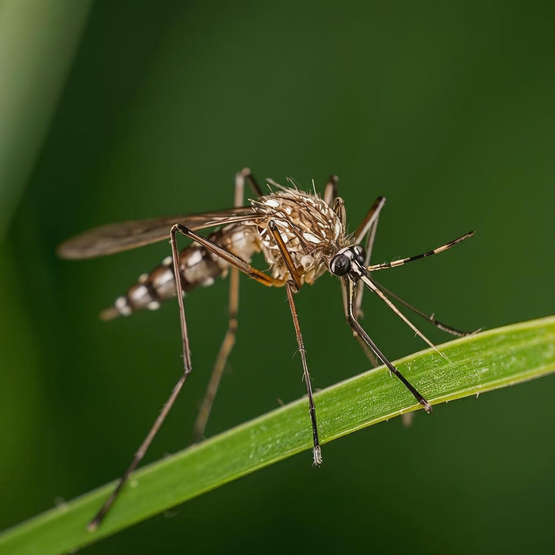
Mosquitoes are still active | Is that a bee?
Friday, Sept. 4
Noon
Online
About our "What's Bugging You?" series
Each month at New York State Integrated Pest Management's "What's Bugging You? First Friday" events, experts share practical information and answer questions on using integrated pest management (IPM) to avoid pest problems and promote a healthy environment where you live, work, learn and play.
See the What's Bugging You? Page for more events.
Fee: Free
Register HERE.
.png?1787594345)
Establishing Silvopasture: Roots of Resilience
Wednesday, Sept. 30
3 to 5:30 p.m.
Cornerstone Park
Rote 52 & Fair Street, Carmel
Join us for a guided field walk at Little Cabin's Farm, exploring core silvopasture principles, including site assessment, design, species selection and grazing management. As the farm is in the early stages of transitioning, this is a great opportunity to gain practical insight into how to get started. We’ll cover steps for transitioning woods or pasture into productive, animal-friendly systems, with a focus on soil health, biodiversity and long-term viability.
Prior to the farm walk, CCE Ulster Livestock Educator Kathryn Brignac will share insights on grazing and animal management. Donald Arrant of Watershed Agricultural Council will discuss the farm’s Whole Farm Plan and Eli Roberts of Sunfleck Consulting will discuss how silvopasture can reshape conventional ideas of a productive landscape.
There will be time for Q&A and farmer discussion during the event.
Fee: $30
Register HERE.
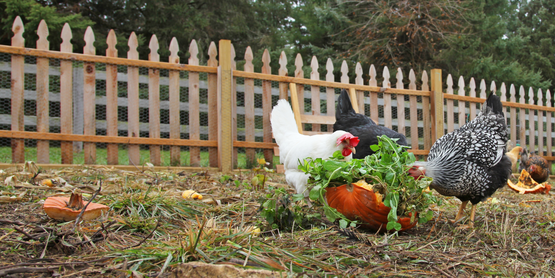
Chick Chat: They're Laying. Now What?
Wednesday, Sept. 30
6 to 7:30 p.m.
Tilly Foster Farm
100 Route 312, Brewster
Join CCE Putnam 4-H Educator Brandy Keenan and Jenna Sadecki of Agriventures Agway for "Chick Chat: They're Laying. Now What?" This will be the second presentation in our series focusing on raising backyard flocks and will discuss how to care for your chickens once they start laying eggs as well as preparing for colder weather, feeding and nutrition and flock health management.
This event is family-friendly and will include an activity for children.
Light refreshments will be served.
This program is being held in partnership with Agriventures Agway.
Fee: $20
Register HERE.
.png?1777316584)
Agritourism Webinar Series
Through Dec. 8
12 to 1 p.m.
Online
Join the Cornell Cooperative Extension Agritourism Program Work Team for a monthly webinar series designed to support both new and established agritourism operators.
This educational series provides practical guidance, timely tools, and real-world strategies to help farms strengthen agritourism operations, manage risk, enhance visitor experiences, and improve long-term business sustainability.
2026 Webinar Schedule:
- Sept. 8: Hosting Kids Camps
- Oct. 13: Understanding Agricultural Assessments
- Nov. 10: Using Online Platforms
- Dec. 8: Deep Dive into Agritourism Insurance
Webinars made possible through funding from the USDA NIFA Beginning Farmer and Rancher Development Program.
Fee: Free
Register HERE.

Business Development and Marketing Monthly Webinar Series
Through Dec. 15
12 to 1 p.m.
Online
Join Cornell Cooperative Extension for a Business Development and Marketing Zoom series. All sessions will be led by content experts across the Cornell Cooperative Extension system, organizations and businesses which support agricultural operations across New York State. The list of topics and dates are listed below:
- Sept. 15: Grant Writing 101
- Oct. 20: Business Structures 101 with COUGHLIN & GERHART, LLP
- Nov. 17: How to Evaluate Market Opportunities
- December 15: Overview of Market Channels & Requirements for Participation
Fee: Free
Register HERE.

2026 Cut Flower Webinar Series
Through Dec. 16
12 to 1 p.m.
Online
Cornell Cooperative Extension’s Cut Flower Program Work Team invites cut flower growers to join a free monthly webinar series focused on practical, research-based strategies to support successful production. All webinars will be recorded.
- Sept. 16: Mischievous Mildews
- Oct. 21: Forcing Tulips
- Nov. 18: Growing Gorgeous Dahlias the Regenerative Farmer’s Way
- Dec. 16: High Tunnels: Ranunculus and Anemones.
Fee: Free
Register HERE